
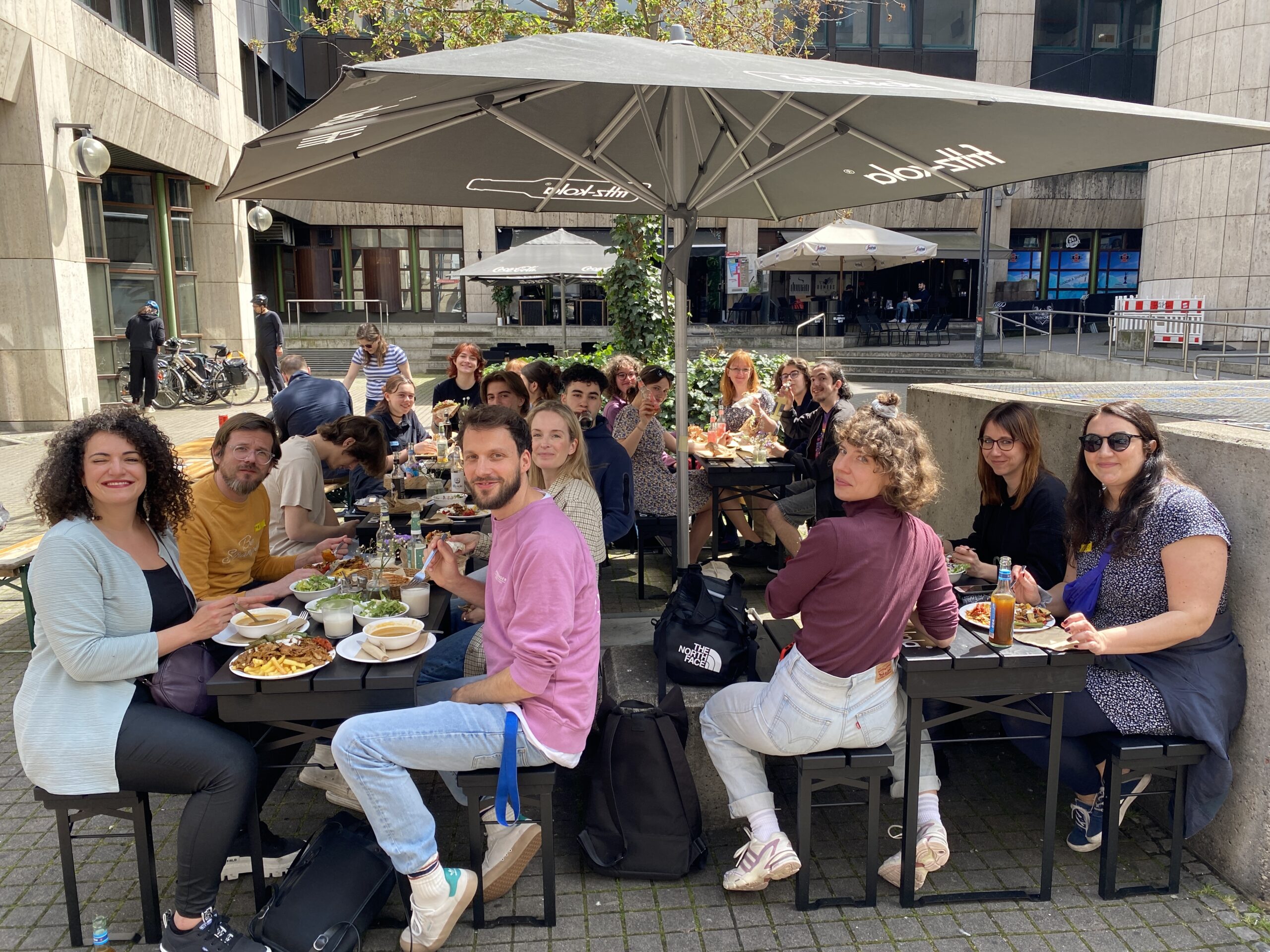
In early May, we all met in Stuttgart at Camp Involve, hosted by JES Stuttgart. Teenagers and partners from all three countries spent three hectic, fun, loving and inspiring days together, not as audiences only, but as co-creators, planners, and decision-makers.
All of us had only met once before, online, in the first digital workshop.
The camp itself as a shared space beyond school and home
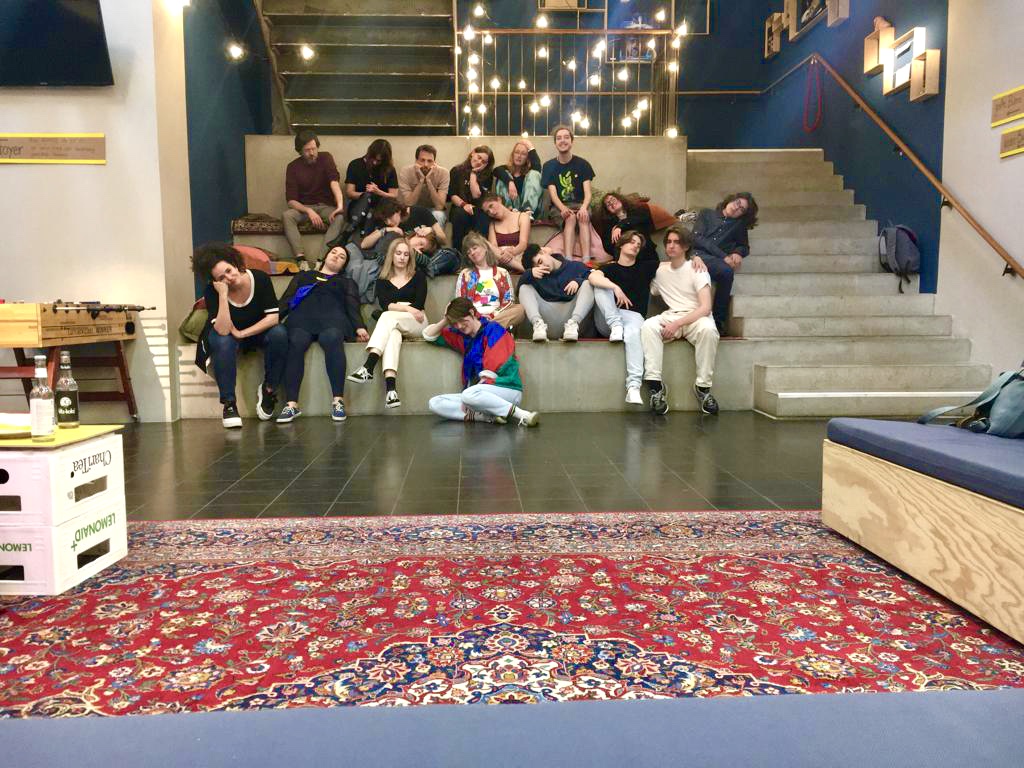
Camp Involve was designed as a third place: a space where young people and adults could meet on equal terms, outside the usual structures of school, family, or institutional hierarchies. Twenty-five participants took part in workshops, performances, city explorations, and shared meals.
Learning through practice
Camp Involve was designed as an in-person continuation of the project’s digital exchanges. The objectives were to:
- examine different institutional approaches to youth involvement through practical workshops
- test formats where young people and professionals work together on equal terms
- strengthen long-term relationships between young participants and institutions
- create a shared reference framework for discussing involvement across different national and institutional contexts
Rather than presenting finished models, the camp functioned as a laboratory, where methods were tested in practice and reflected upon collectively.
Youth involvement as a starting point
A key methodological decision was to involve young participants from Stuttgart already in the planning phase. Approximately one month before the camp, the JES youth group met with the professional team to co-design the programme. Structured questions were used to support the process, including:
- Which places in Stuttgart feel like a “third place”?
- What kind of daily rhythm feels sustainable?
- How much free time is needed?
- Which social activities help create trust and comfort?
Working in pairs, the young participants developed proposals for the camp schedule, which were then discussed and combined into a shared plan. The JES team committed to realising the programme as closely as possible to the young participants’ ideas. Practical responsibility was also delegated: the youth group organised parts of the social programme and were given access to a dedicated planning space (“Headquarter”), reinforcing ownership and responsibility without placing organisational pressure on them.
Communication and shared decision-making
Once the programme was drafted, participants from all partner institutions were involved through shared communication channels. A WhatsApp group was used to distribute information, gather preferences, and conduct informal voting on workshops and meals. This low-threshold tool supported transparency and continuous participation before and during the camp.
Importantly, young participants were also involved in the documentation phase, contributing perspectives that informed the final report.
The camp combined internal workshops and external expert sessions focusing on participation, creative collaboration, and shared decision-making. Participants explored strategies of involvement through formats such as:
- Co-creation workshops on participation and democratic processes
- Graffiti and DJ workshops focusing on non-hierarchical creative work
- Game development as a tool for collective thinking and rule-making
Alongside this, the group attended JES’s performance Aus der Kurve fliegen, including a preparatory workshop that highlighted how mediation and artistic practice can function together as tools for inclusion.
“Getting to know us”: institutional exchange through artistic methods
The first content-focused activity was a joint workshop titled “Who We Are”, hosted in Agentur, one of JES’s newest spaces for participatory work. The workshop focused on institutional self-reflection and exchange.
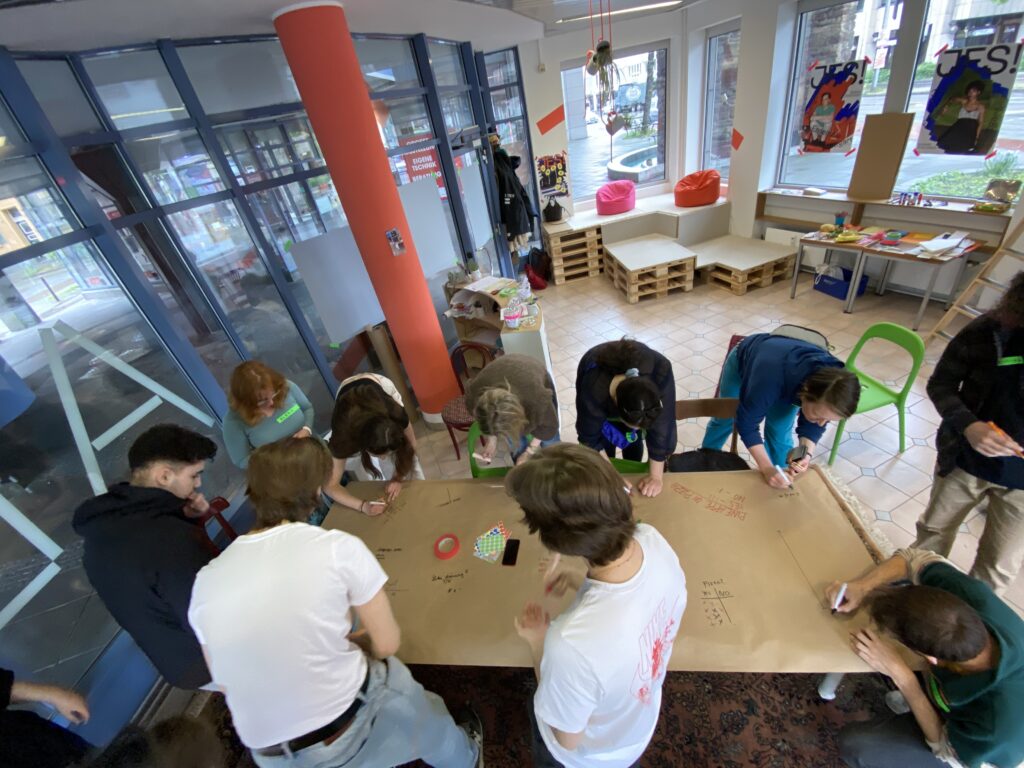
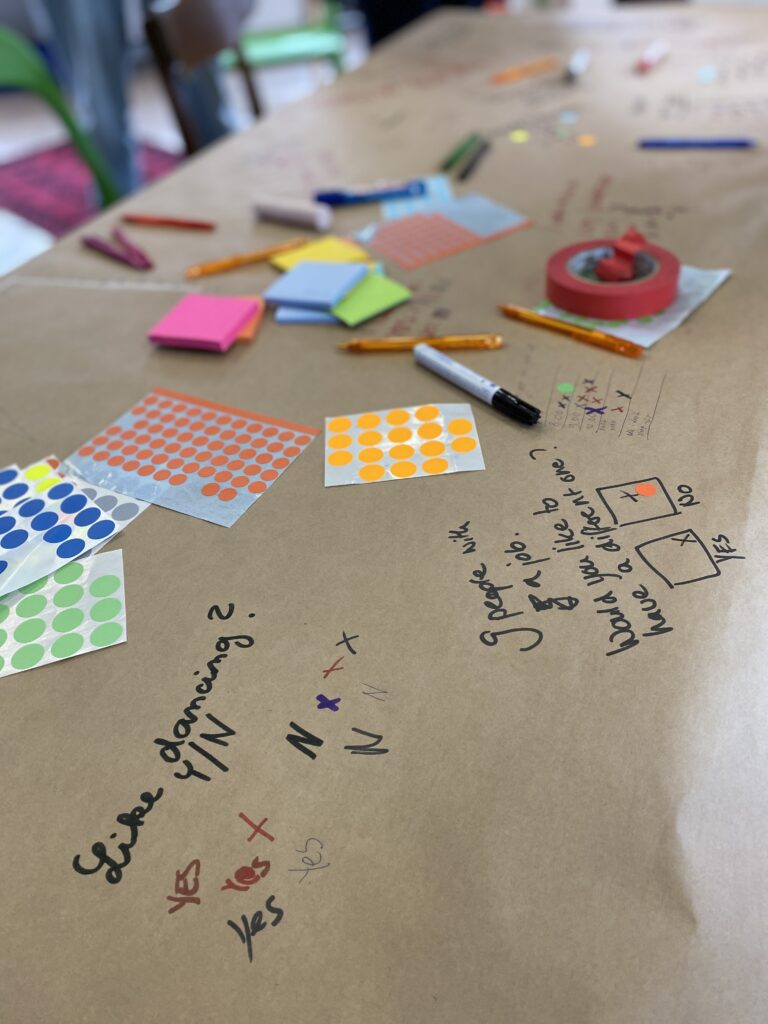
Using the artistic research method Dada Data (developed by Mammalian Diving Reflex), participants engaged in structured speed-dating conversations to exchange views on:
- theatre for young audiences
- co-creation and participation
- institutional structures and limitations
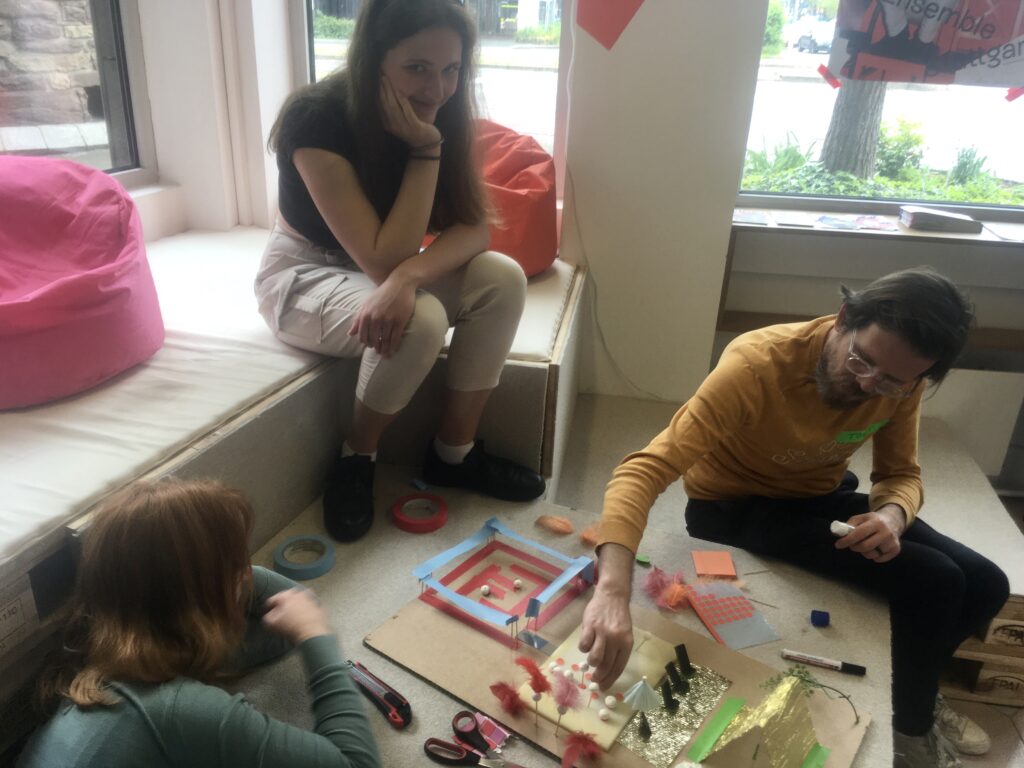
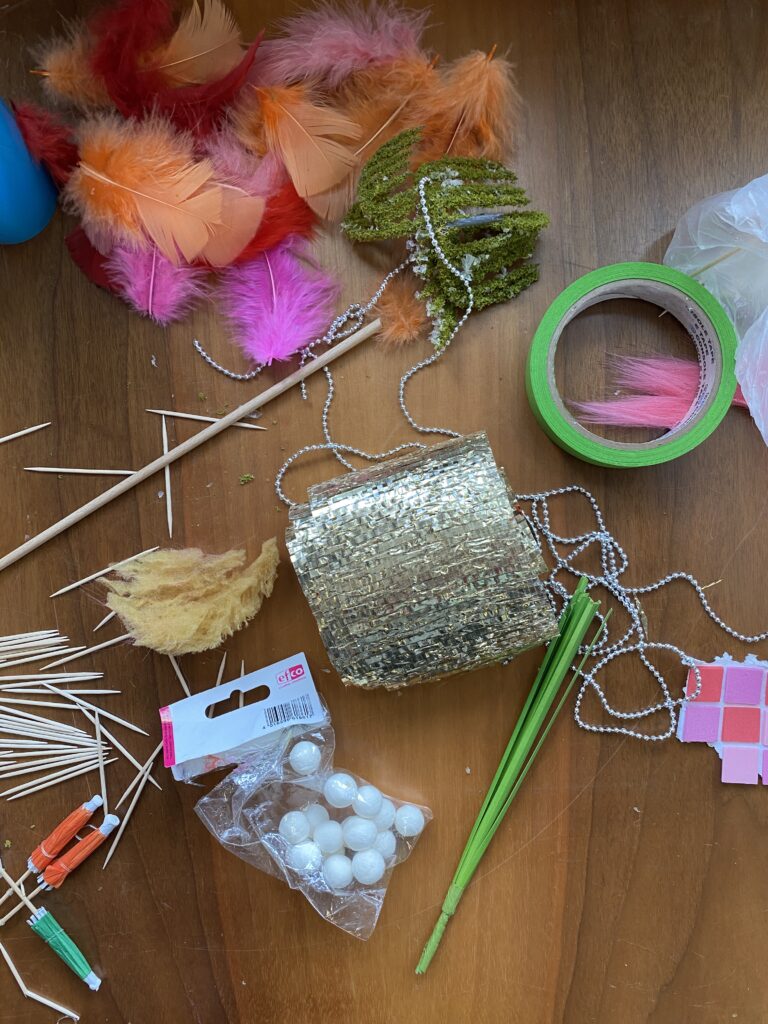
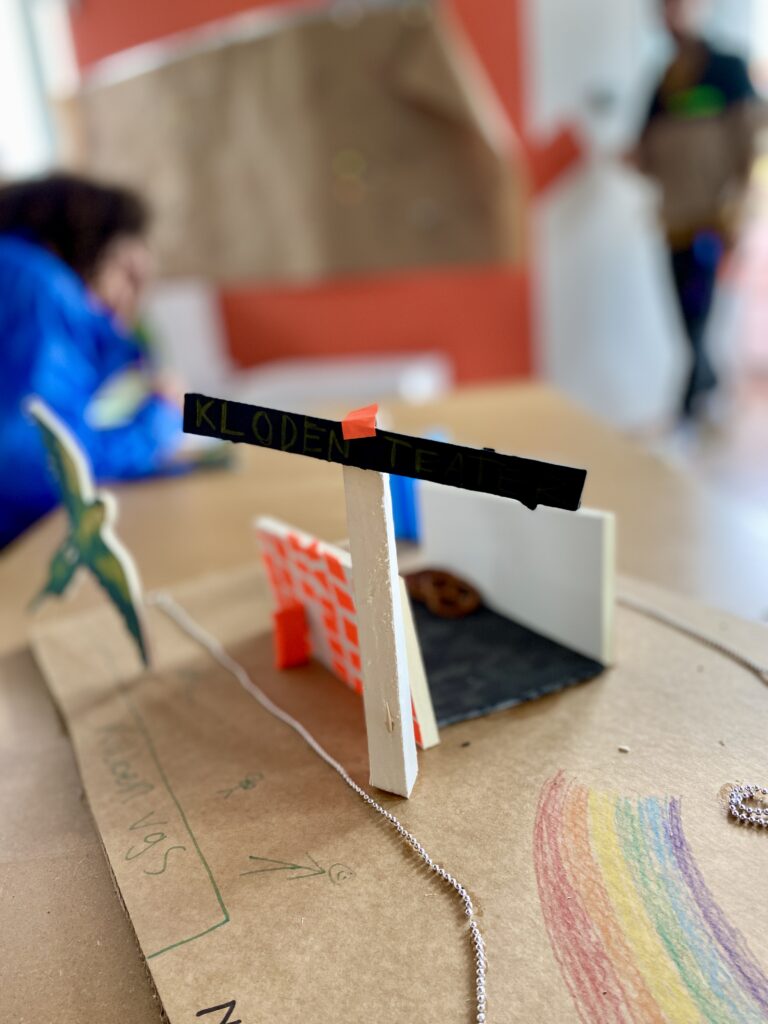
This was followed by a hands-on exercise where each institution was translated into a three-dimensional architectural model, built from simple materials. These models represented each theatre’s structures, values and working conditions, and formed the basis for discussion around the three core themes of the project: involvement, artistic practice and architecture.


Graffiti and DJing: involvement through creative processes
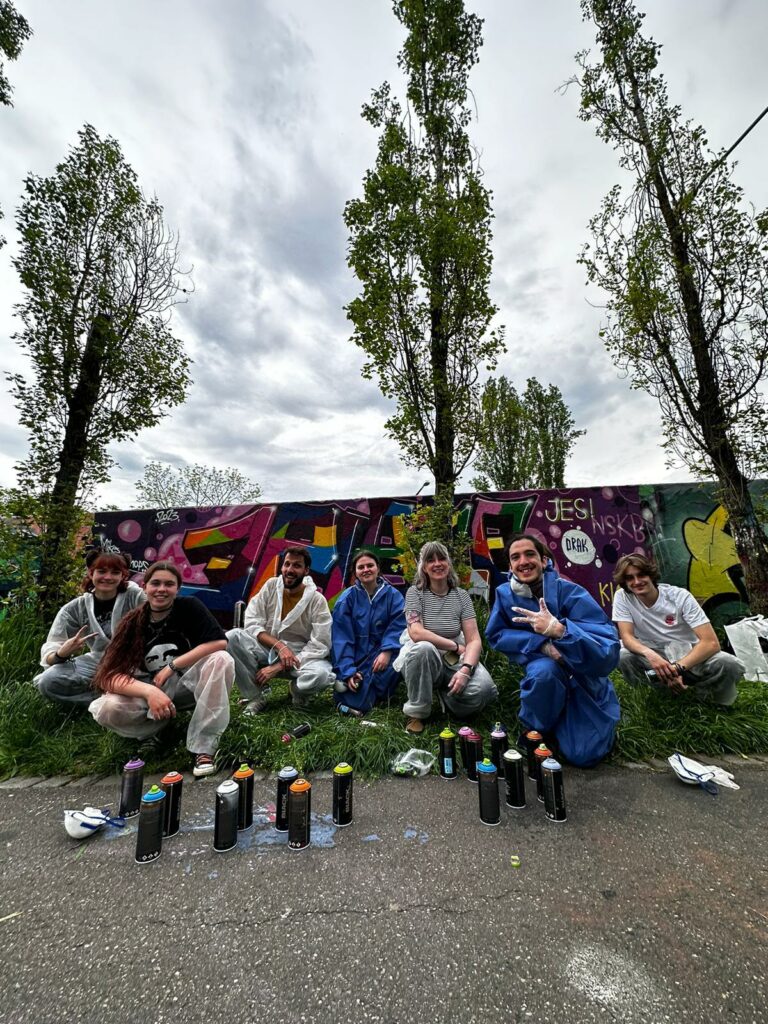
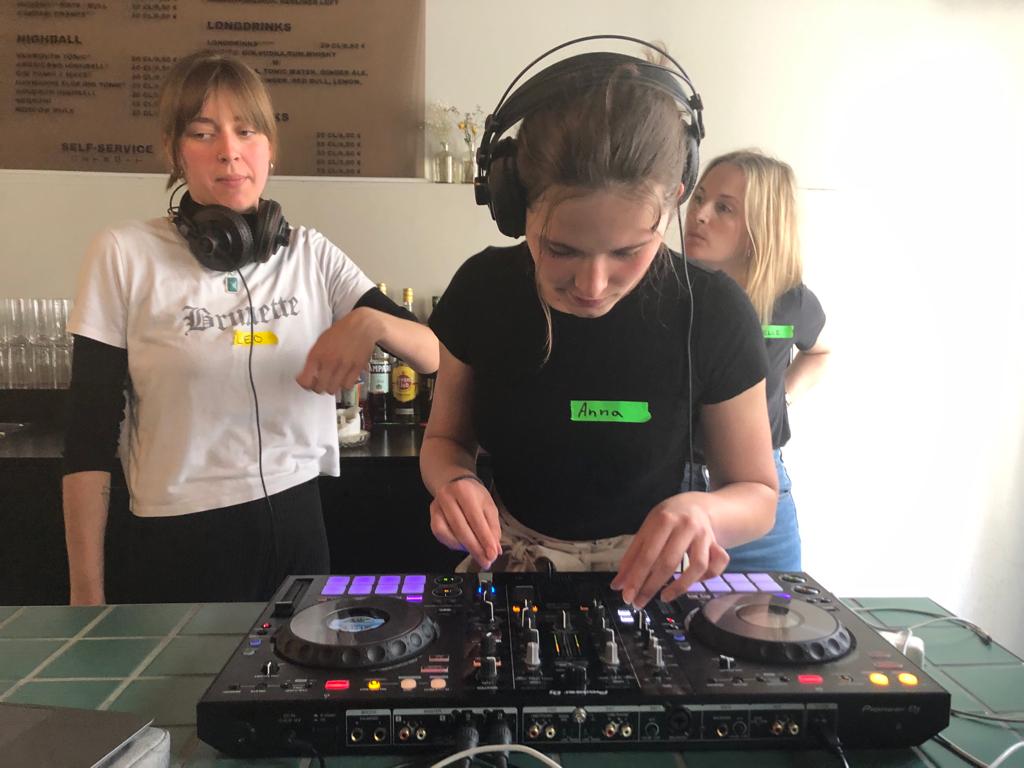
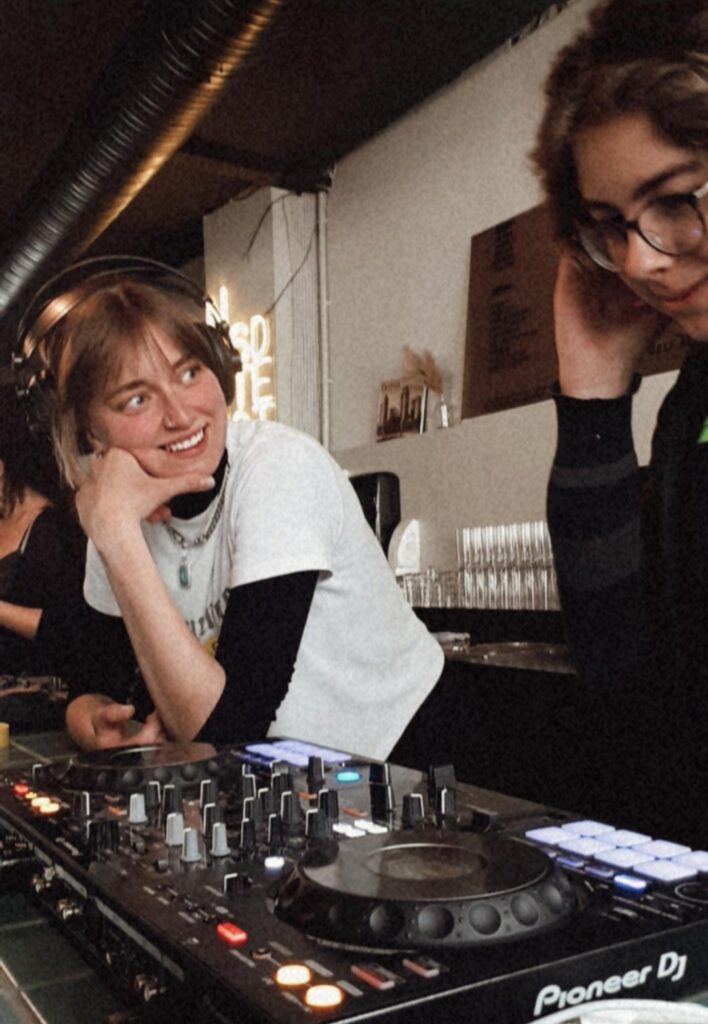
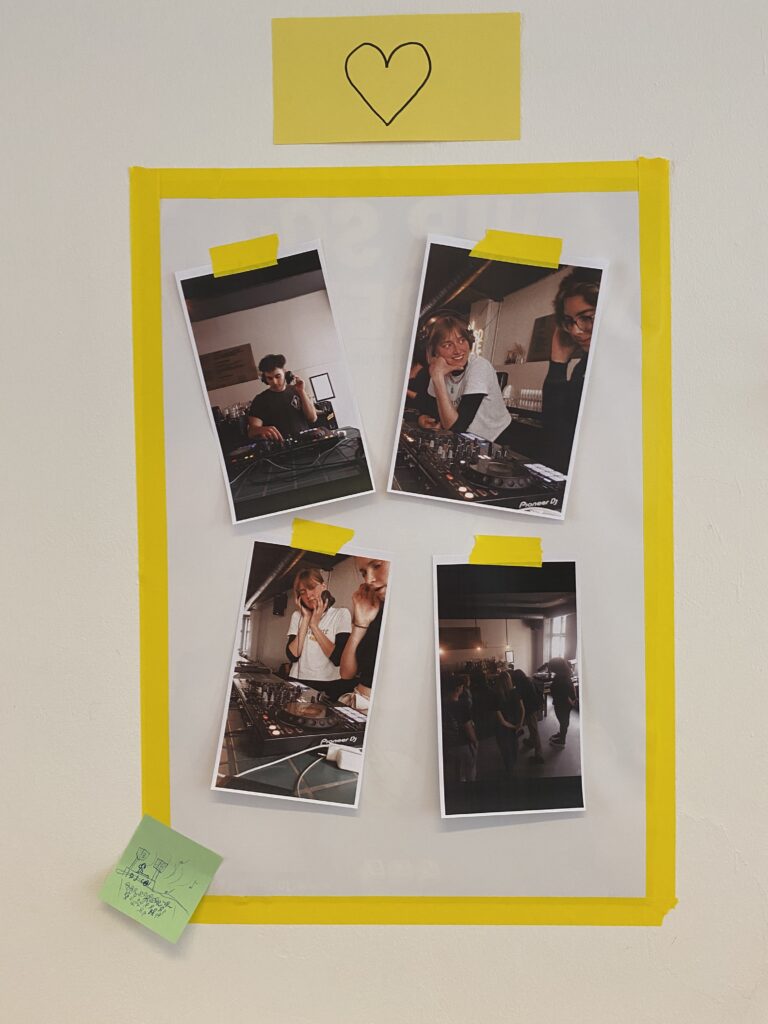
Participants split into two mixed-age groups. One worked with a graffiti artist in public space; the other with a professional DJ in a club setting. Both workshops emphasised collective creation, absence of hierarchy, and equal valuation of ideas. Adults and youth worked side by side, experiencing non-institutional creative environments together.


External expert workshops: testing involvement strategies
Day two gave us different workshops in participation, involvement, gamification, how to change the outcome and do things together.
Strategies of participation
Theatre-maker Inga Schwörer introduced models for shared decision-making, role distribution and collective responsibility. Through practical exercises, participants tested different cooperation structures and reflected on power relations between adults and young people.
Game development
Led by theatre pedagogue and game developer Friedrike Hänsel, this workshop explored how games can be collectively developed, adapted and renegotiated. Participants worked with known structures and everyday objects, continuously revising rules through discussion and play. Reflection focused on democratic processes and collective authorship


Social programme curated by young participants
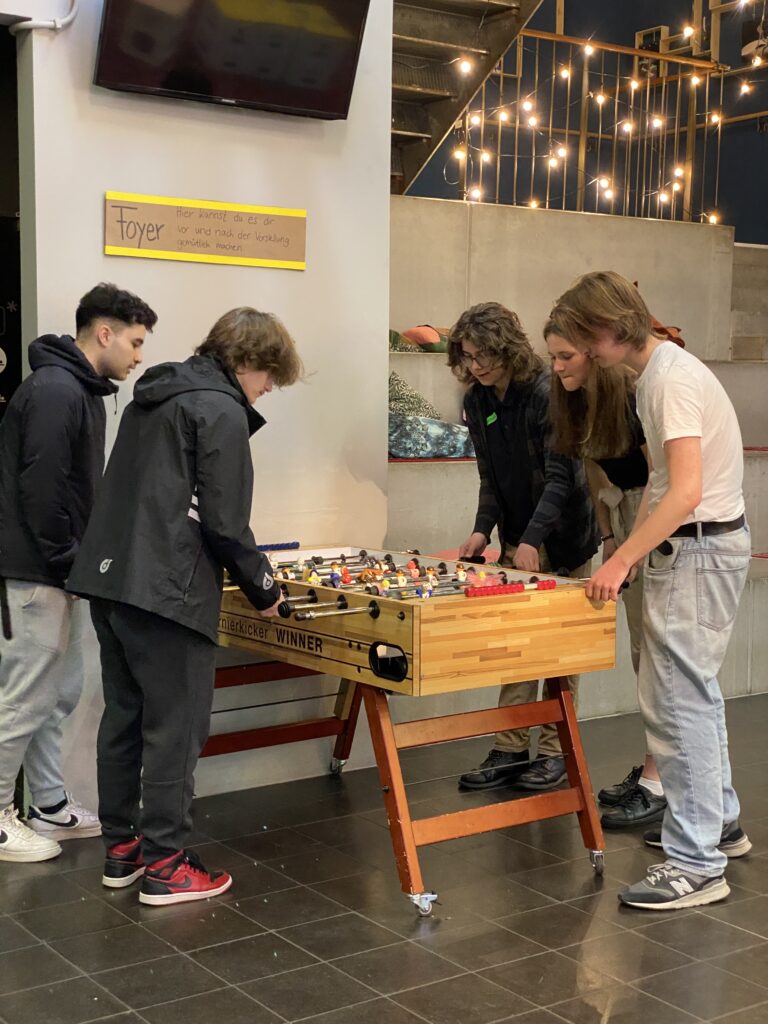
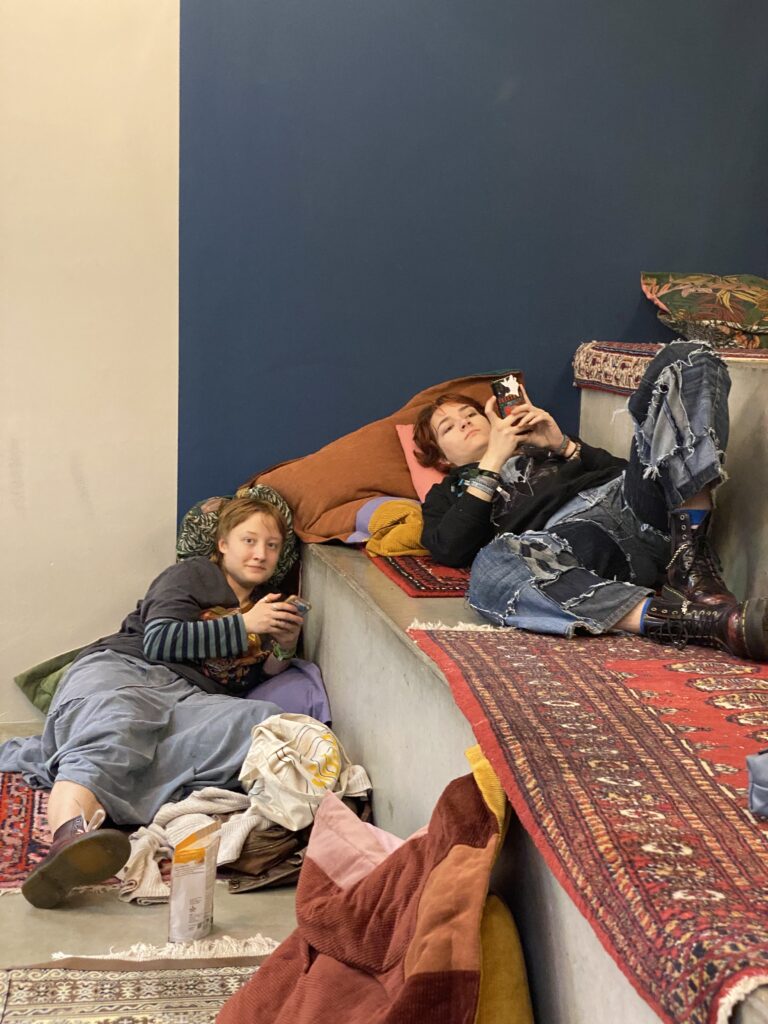
In parallel with the workshops, the Stuttgart youth group curated the social programme. This included a guided city tour, shared meals, bowling, karaoke and game nights at JES. Tasks were distributed among the young organisers, allowing them to choose responsibilities according to interest and capacity. These informal settings played a crucial role in building trust and flattening hierarchies across age and institutional roles





Reflections and long-term impact
Post-camp reflection interviews with both young participants and professionals highlighted several recurring observations:
- young people felt taken seriously and experienced real influence
- traditional age-based hierarchies were largely suspended
- shared play and informal social settings strengthened trust
- institutions gained concrete ideas for adapting their own involvement structures
Rather than producing immediate structural change, Camp Involve generated transferable practices that are now being tested within the partner institutions. The camp confirmed the value of treating involvement not as a fixed model, but as an ongoing practice shaped through shared experience and reflection.