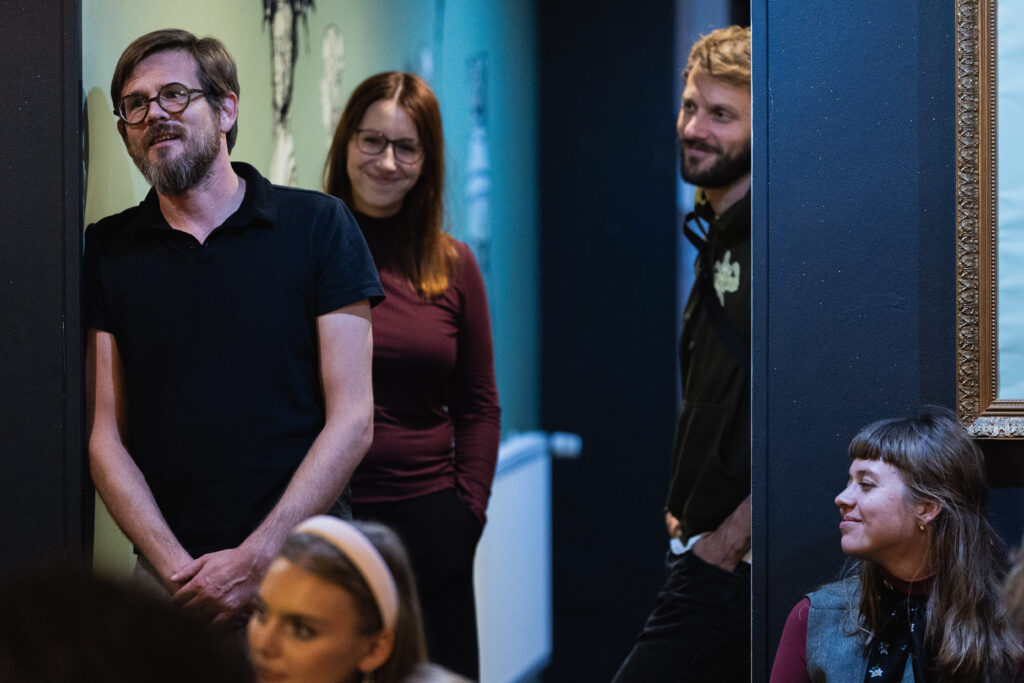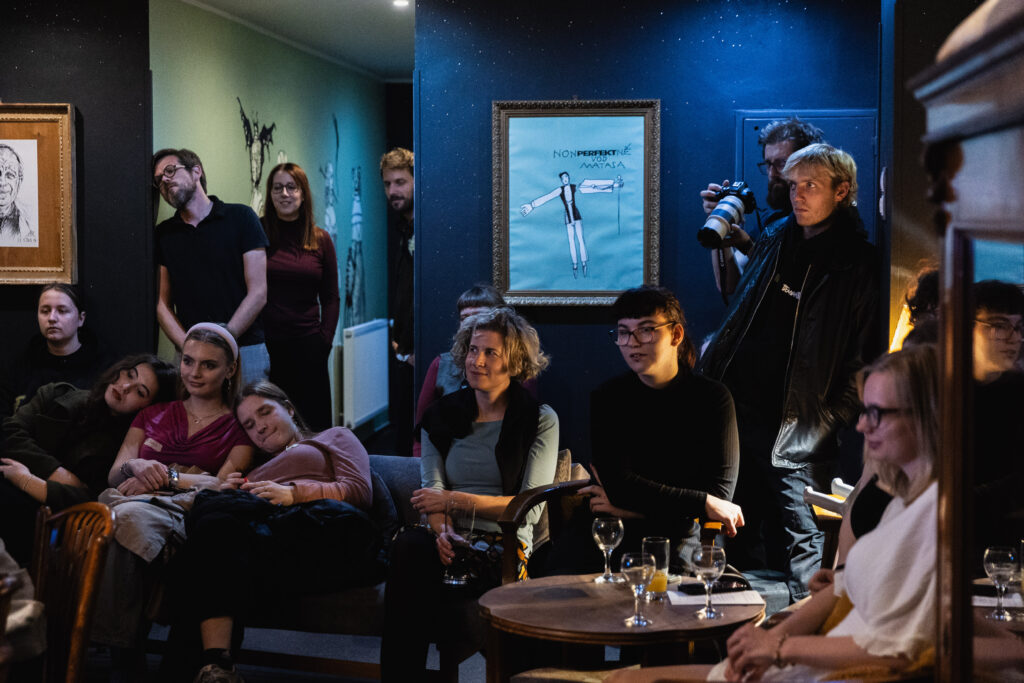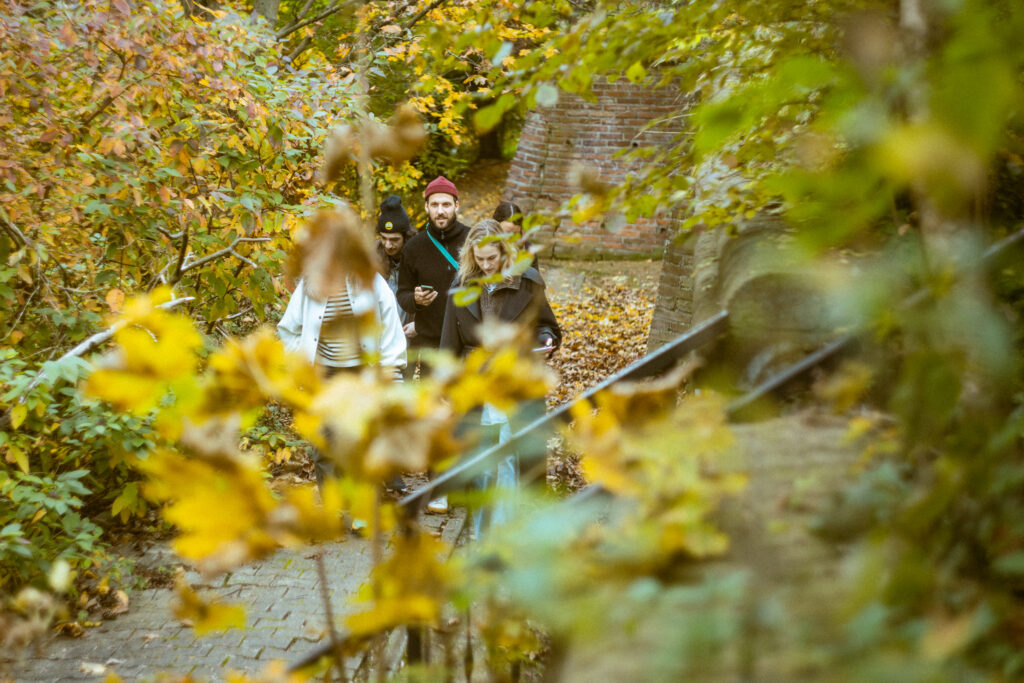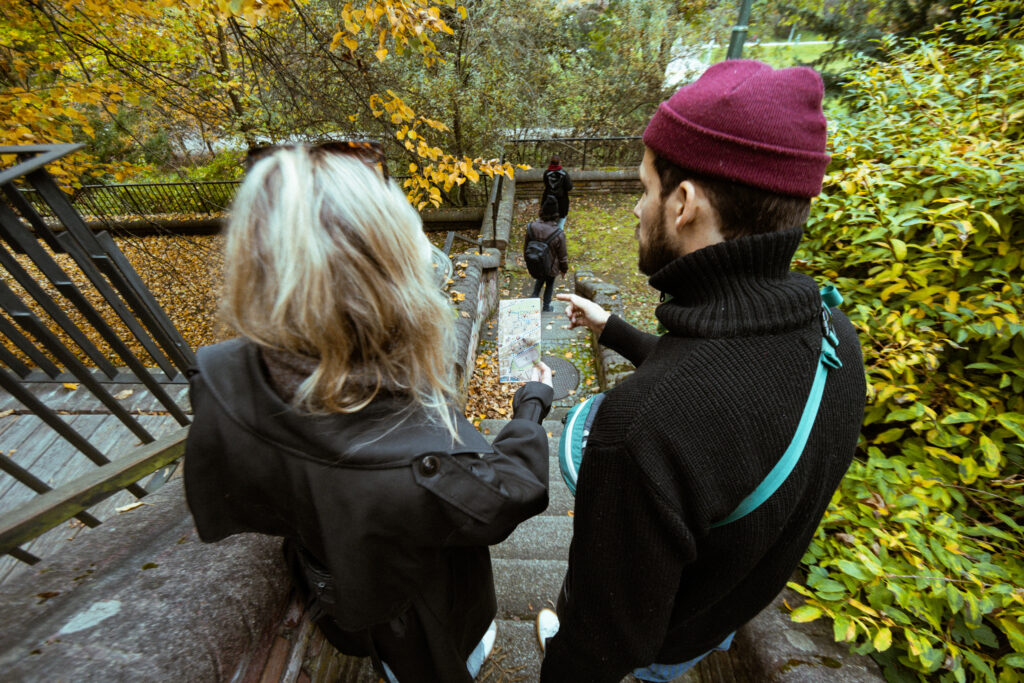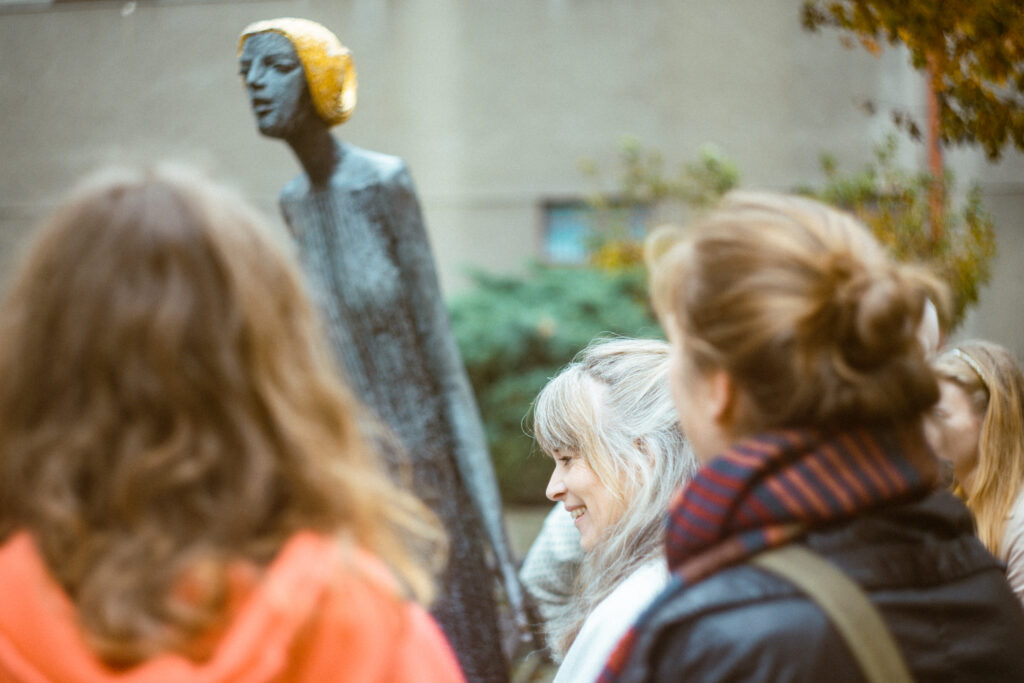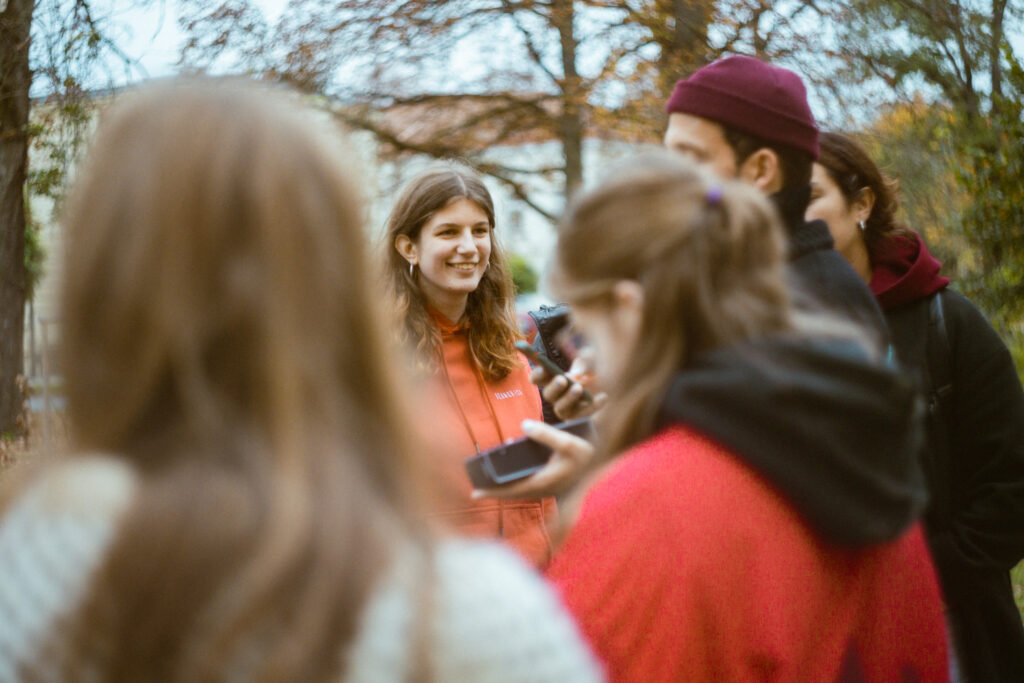
During Camp Artistic 2024, hosted by Drak Theatre in Hradec Králové, young participants and professionals from Czechia, Germany and Norway came together for four intensive days of performances, workshops, conversations and social formats. The camp became a lived example of how performing arts can move beyond presentation and into a shared, temporary – yet meaningful – third place. D3.2 ReportDrak_CampArtistic
The value of physical encounters
Personal, in-person meetings are a cornerstone of the 3Place project. Camp Artistic 2024 brought together 47 participants – young people and adult professionals – from the project partners Norsk Scenekunstbruk, Junges Ensemble Stuttgart (JES) and the host institution Drak Theatre.
The aim was twofold: to share concrete artistic practices developed for and with young people, and to create a safe and inspiring environment for exchange, reflection and new connections. Rather than functioning as a conventional professional gathering, the camp was structured as a holistic experience, where artistic work, dialogue and informal social time were deeply interconnected.
Antigone as a shared point of reference
The camp’s common artistic starting point was Drak Theatre’s production Antigone, aimed at audiences aged 13+. This contemporary reworking of the classical tragedy addresses questions of authority, responsibility and generational conflict – themes that resonated strongly with the young participants.
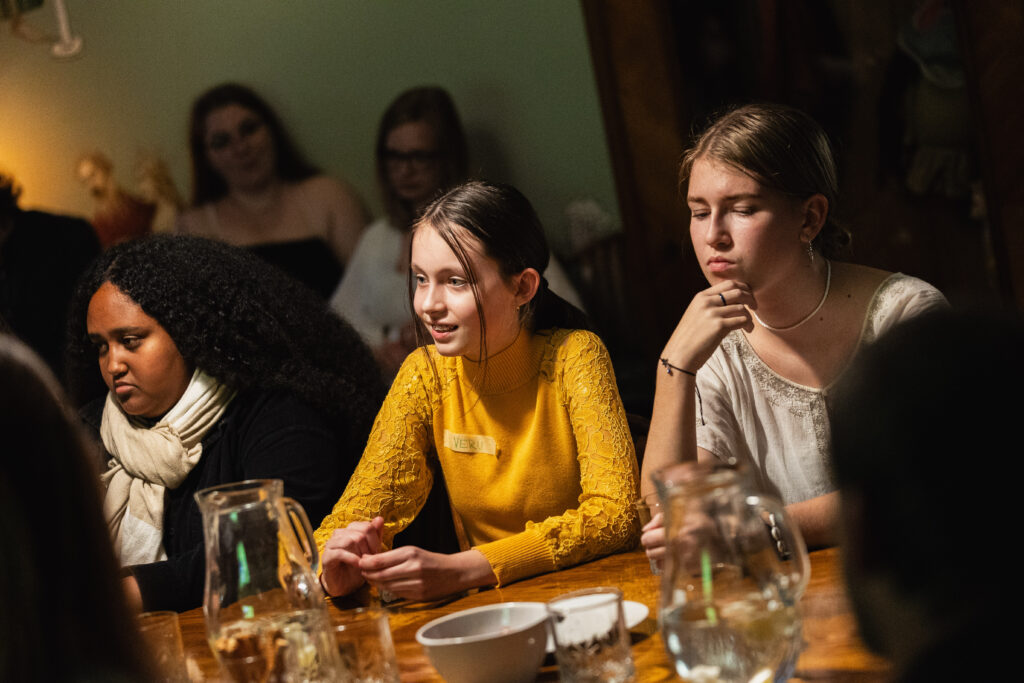
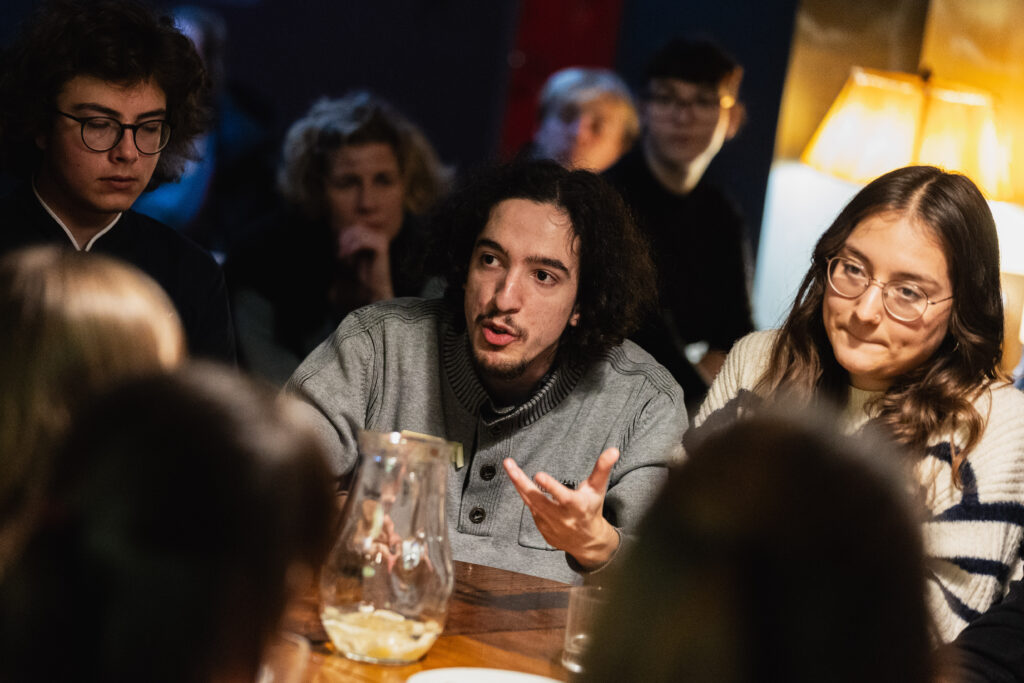
The performance was followed by a Kitchen Table discussion, a format developed to foreground young voices in conversations about theatre. With international participants around the table, the discussion gained new depth and perspective, clearly demonstrating young people’s capacity to engage as equal and reflective contributors to artistic dialogue.
Young people performing for young people
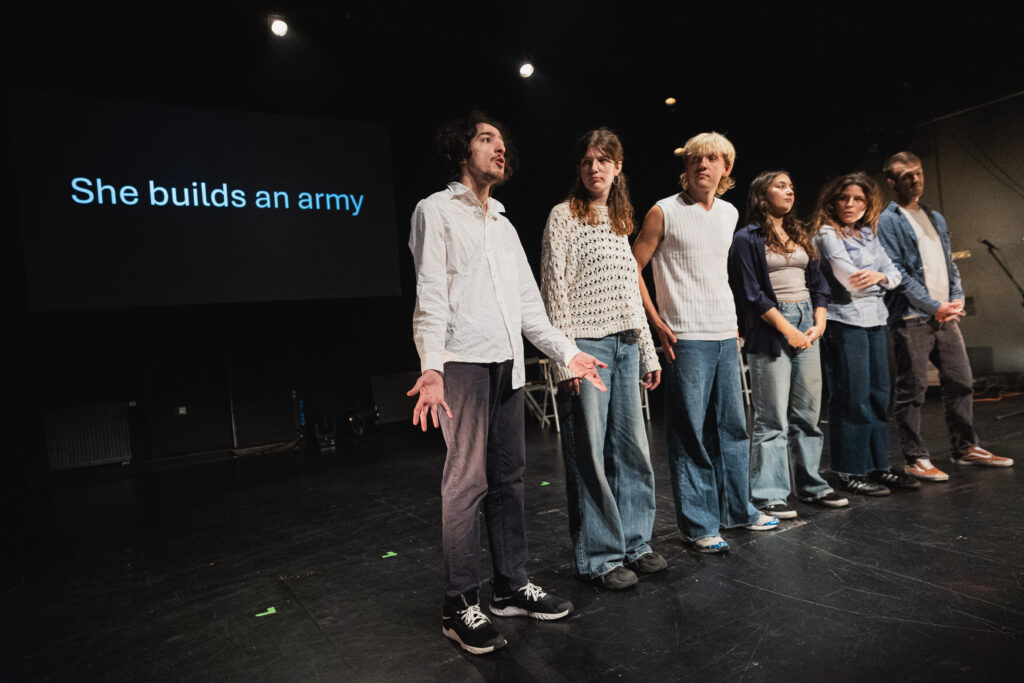
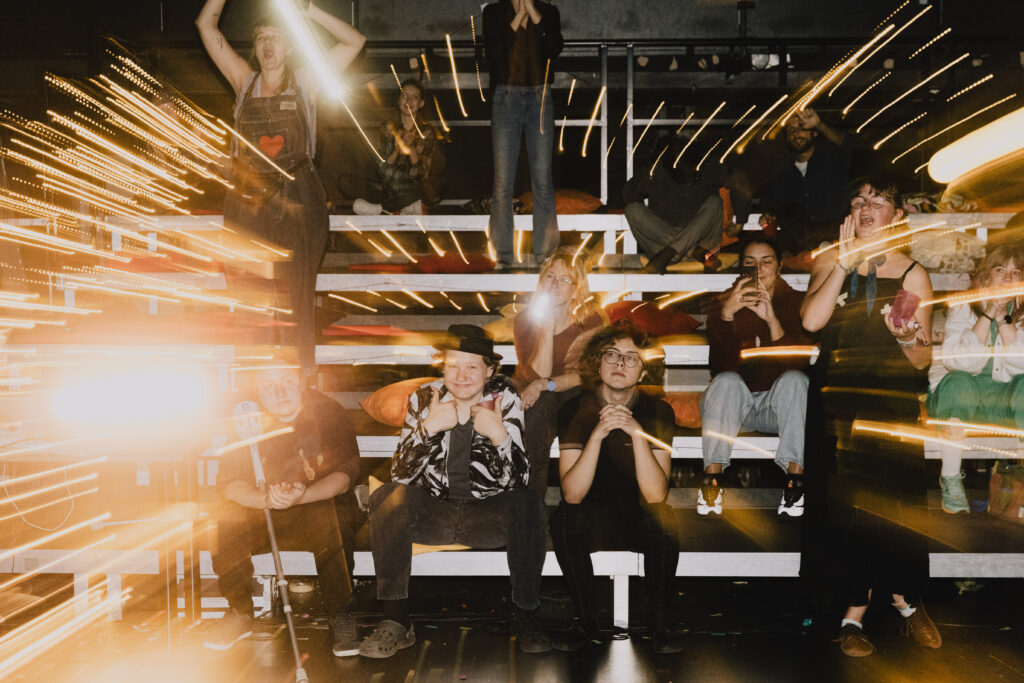
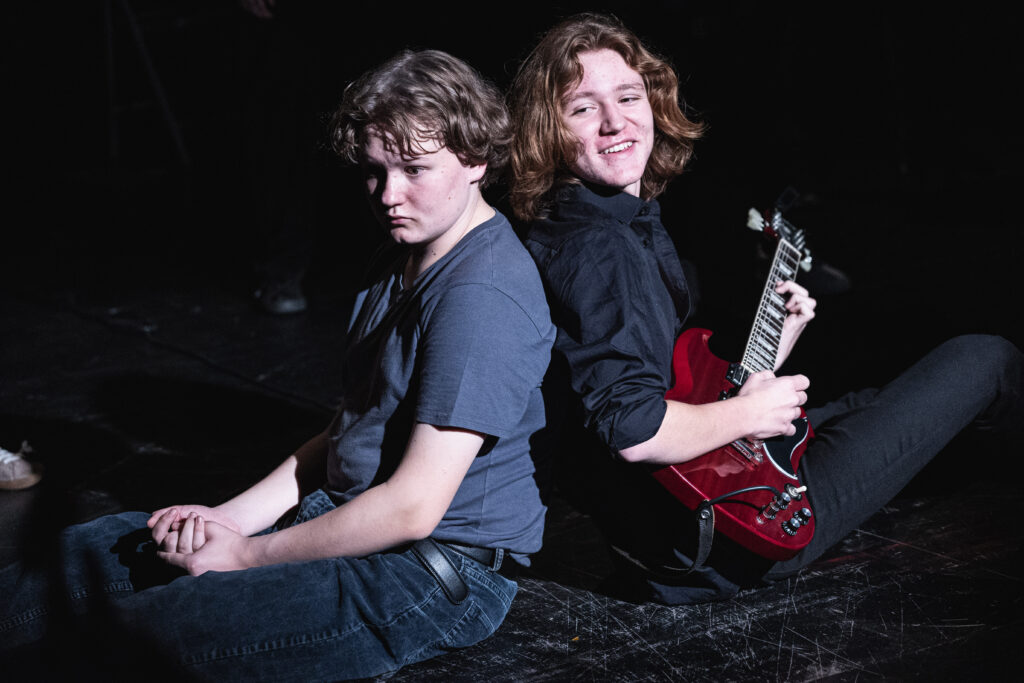
Two evenings during the camp were dedicated to performances created by and with young people at Drak Theatre and Junges Ensemble Stuttgart. Together, these presentations formed a small, temporary mini-festival within the camp.
Although the two productions differed significantly in format and production conditions, they shared a strong thematic approach: historical or literary figures were used not as subjects for interpretation, but as starting points for young creators’ own artistic reflections on contemporary life, identity and the future. The performances generated strong engagement and confirmed the importance of including concrete artistic work – not only discussion – in international exchange formats.
Workshops as shared artistic practice
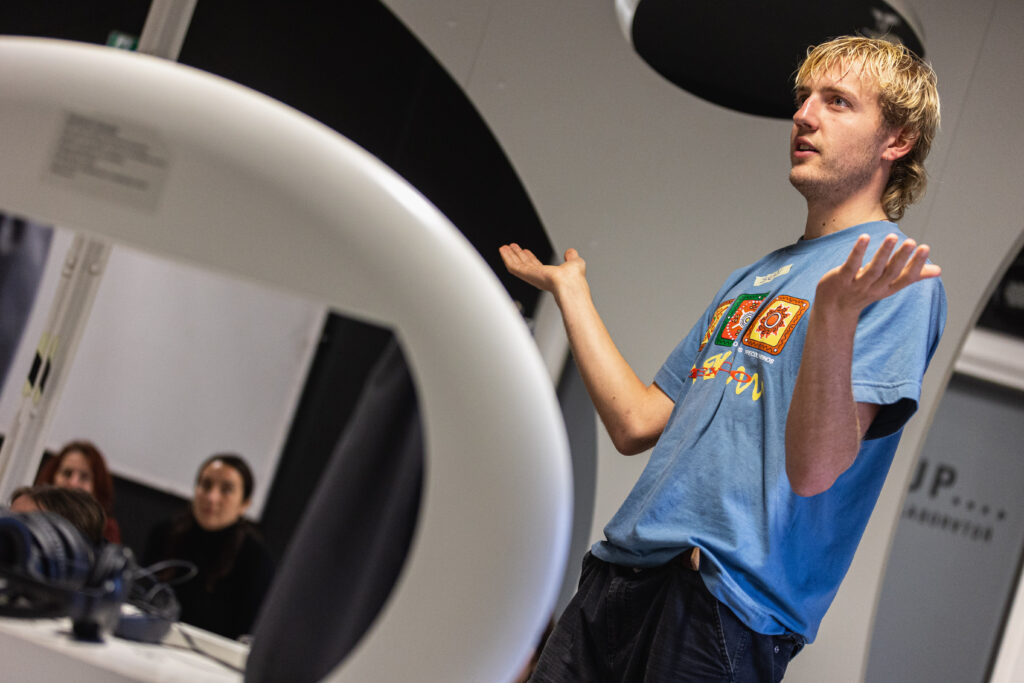
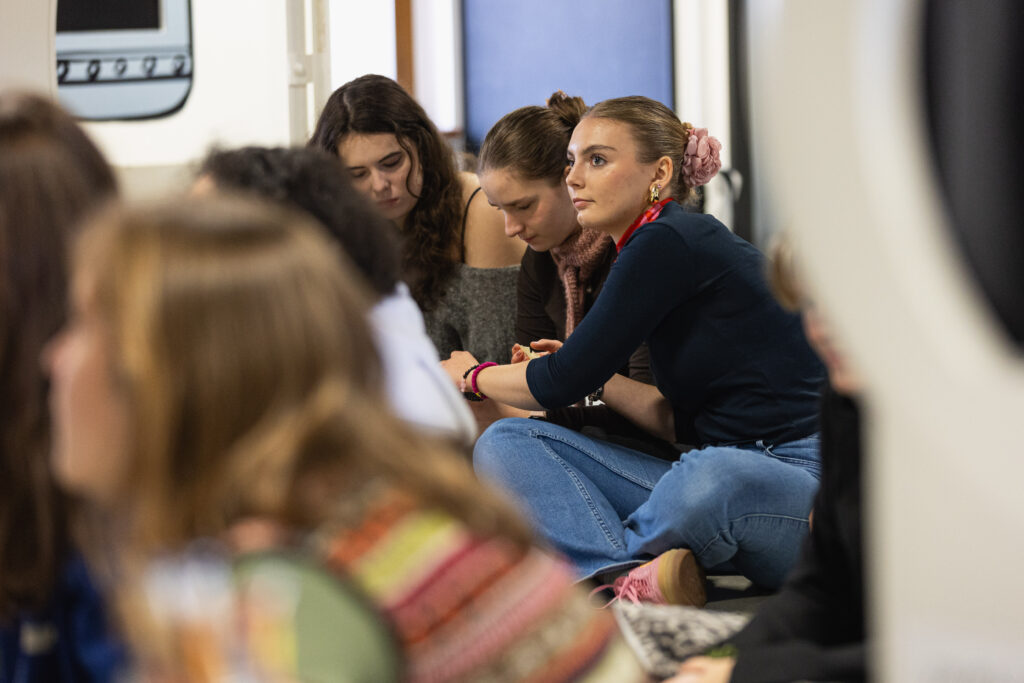
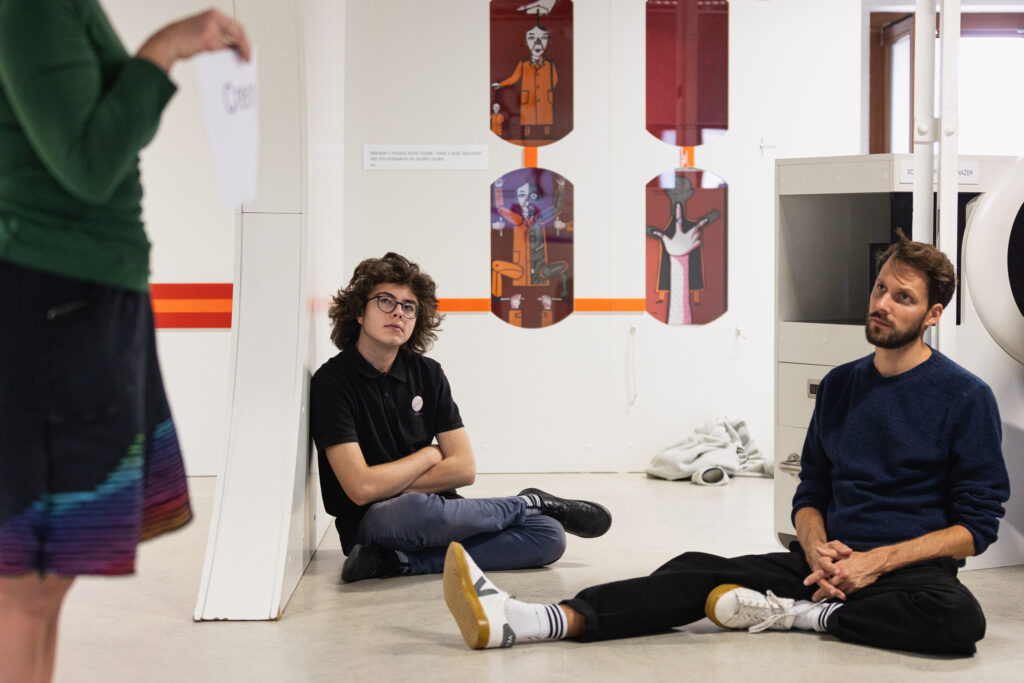
The creative workshops offered participants hands-on experience with Drak Theatre’s artistic and pedagogical approaches. Across the weekend, participants worked with:
- Author’s dramaturgy, transforming familiar narratives into original artistic concepts
- Mask work, exploring identity, materiality and visual expression
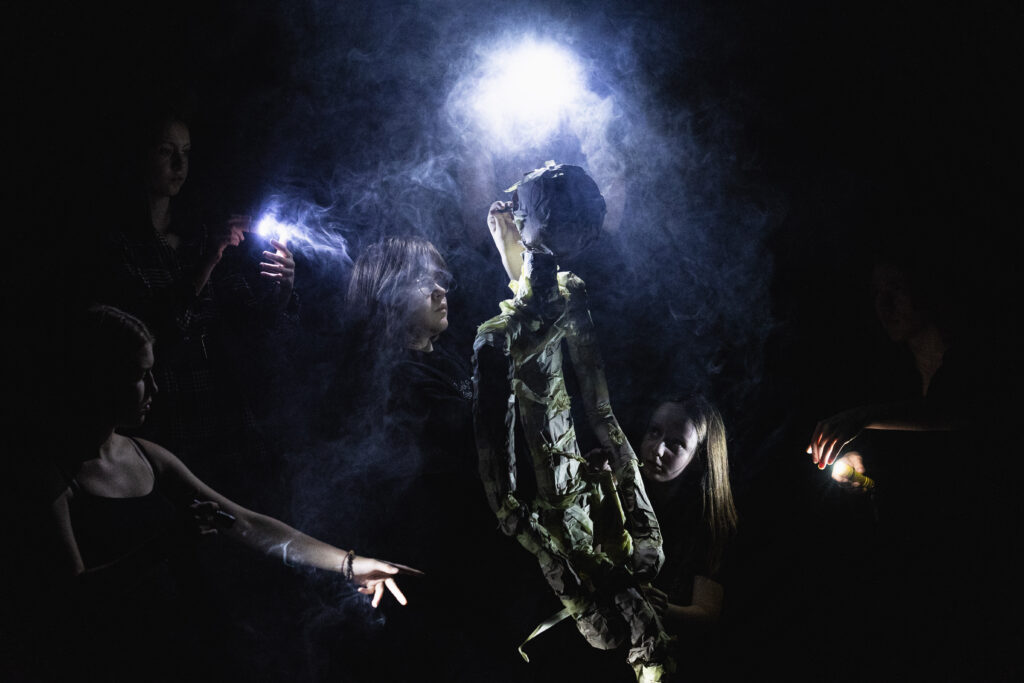
- Object and animation practices, using everyday materials as carriers of meaning and storytelling
For the host organisation, the workshops also functioned as a testing ground: methods were explored together with young people and professionals from different cultural contexts, providing valuable input for future artistic and educational development.
Social formats as artistic infrastructure
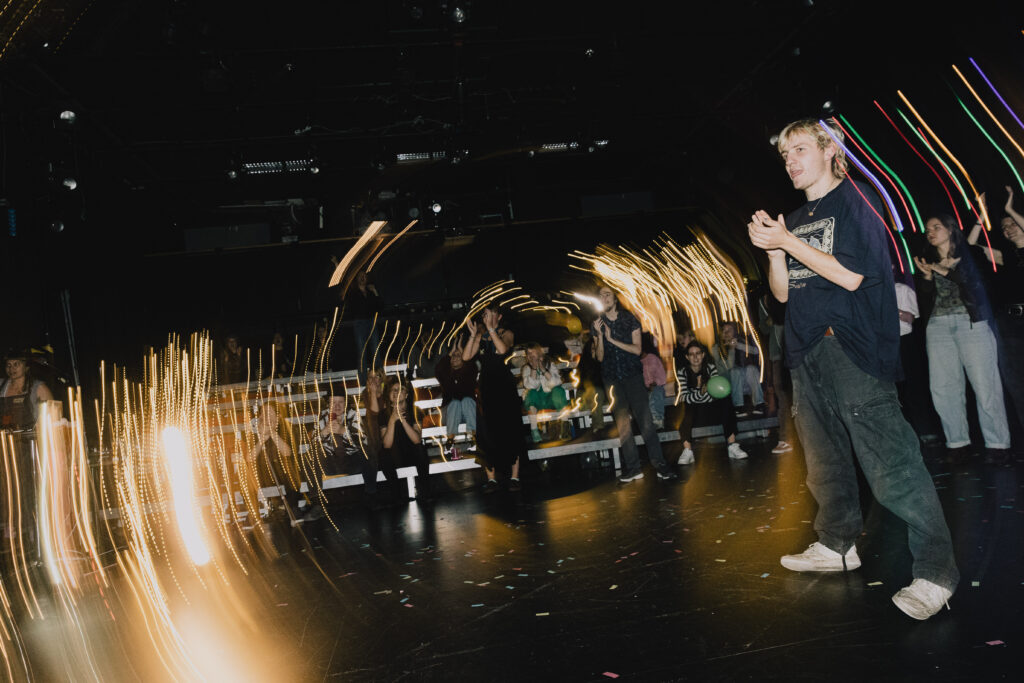
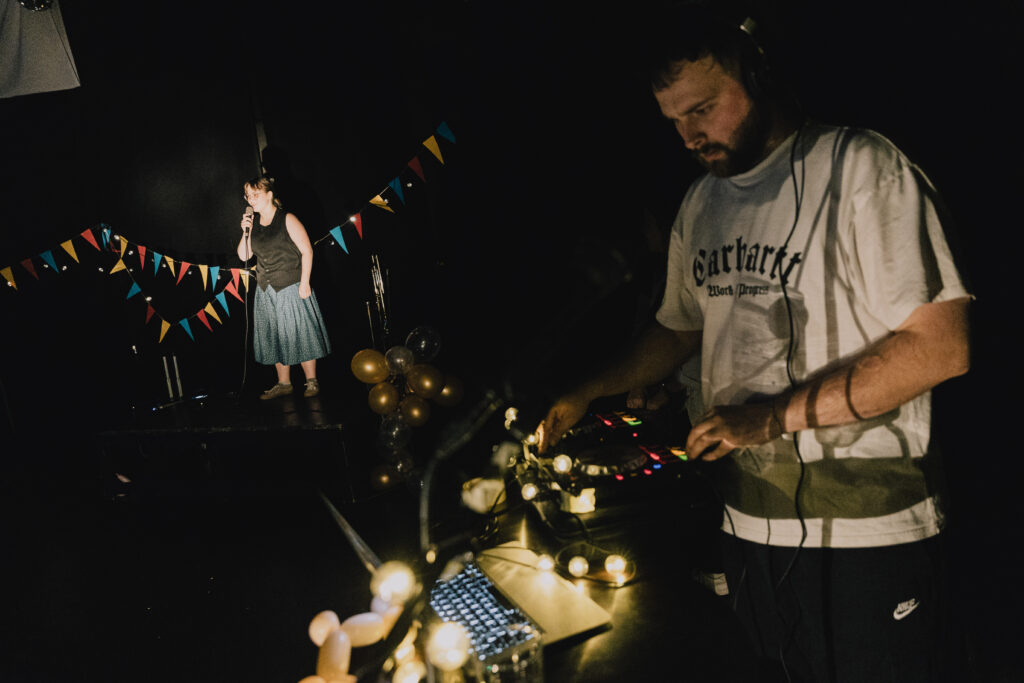
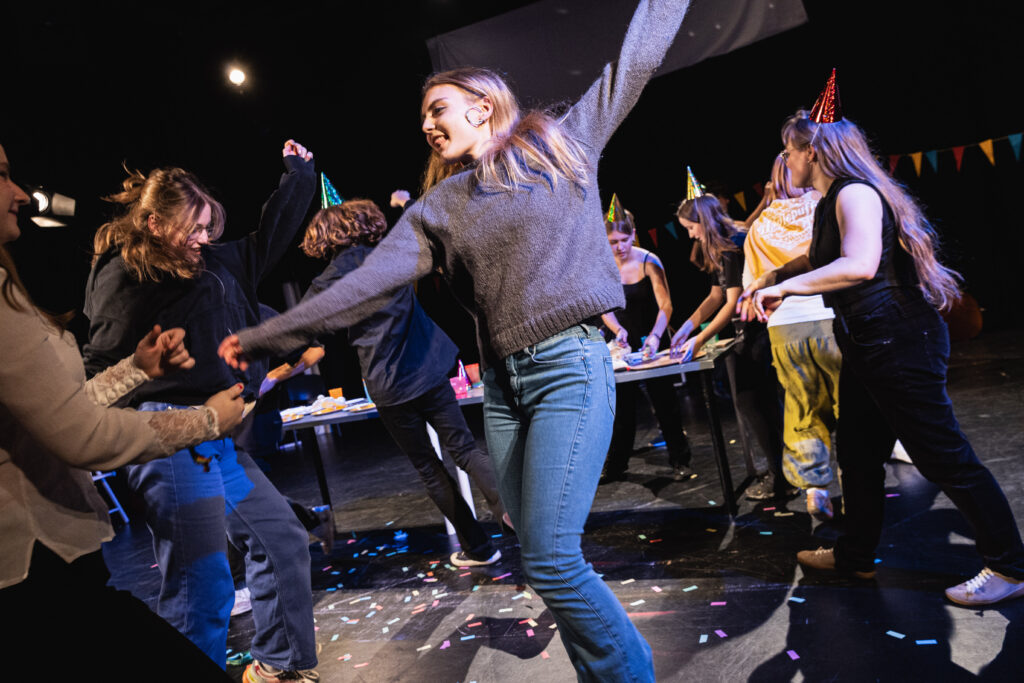
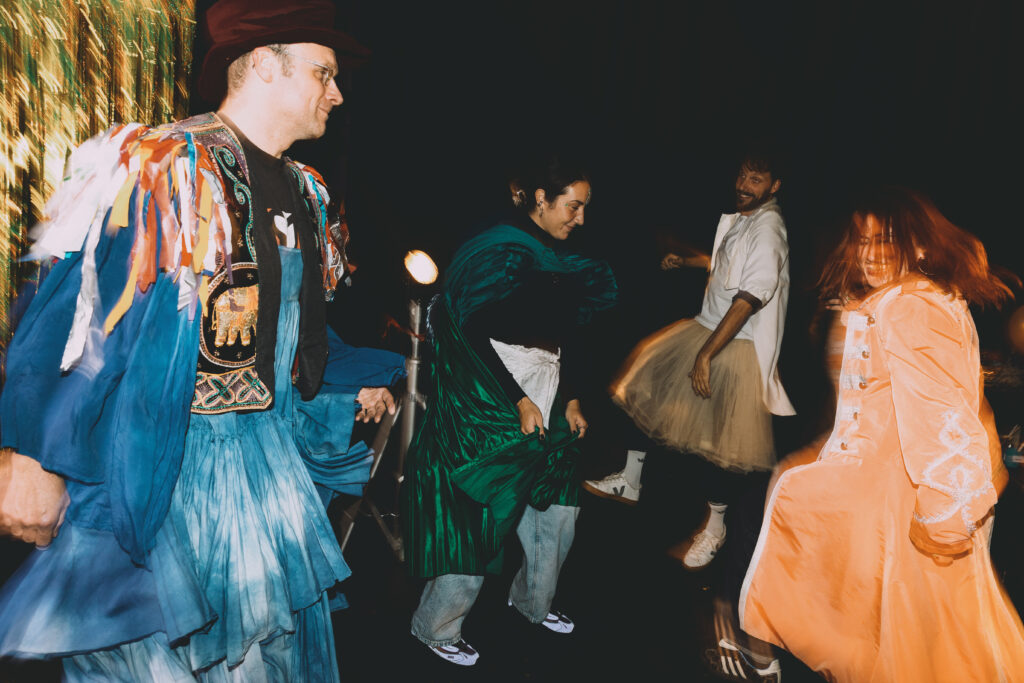
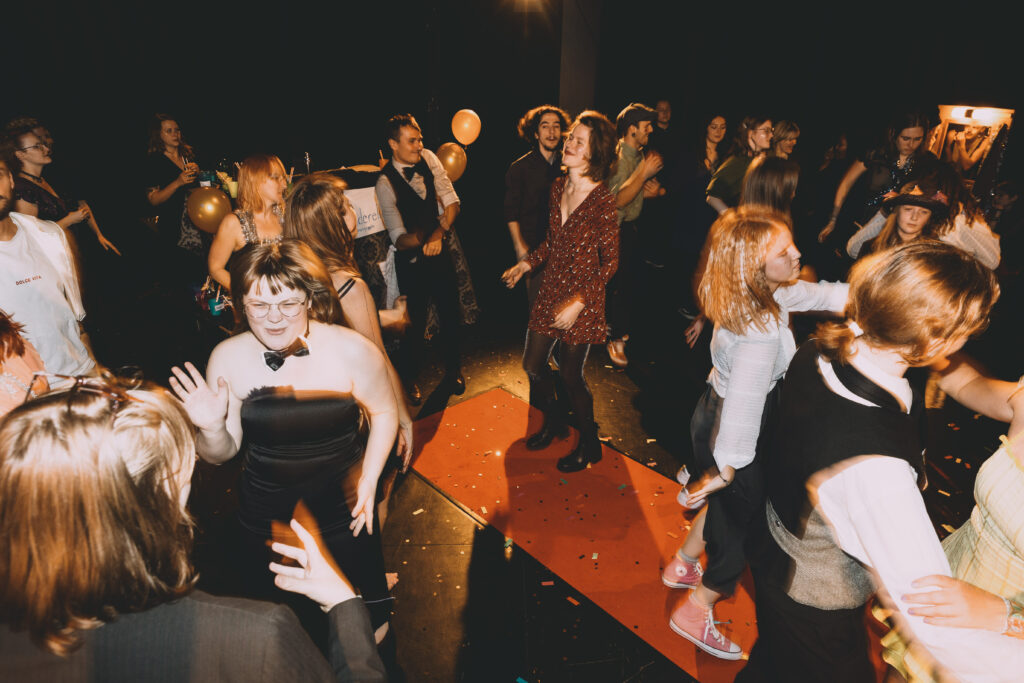
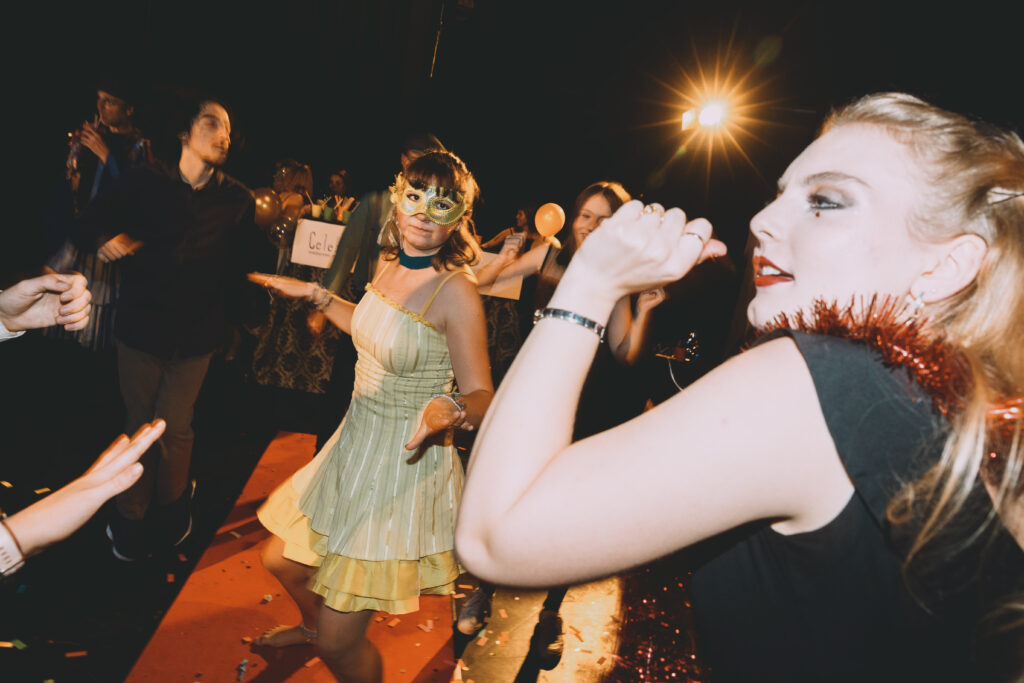
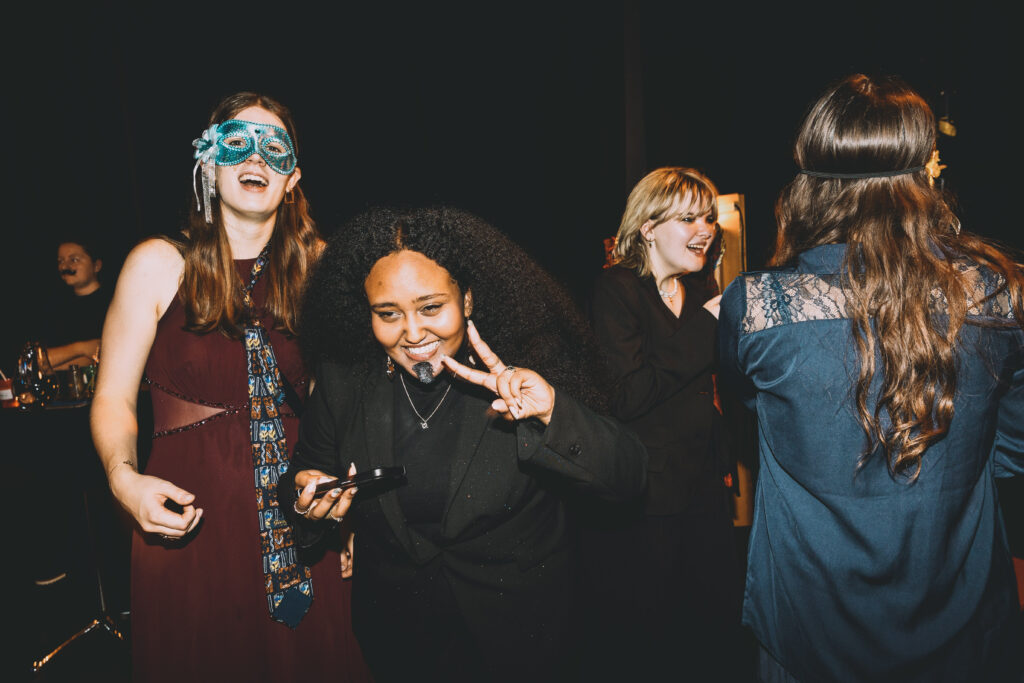
The camp’s social events – from Gala Night to the Underground Party with open-mic sessions – were not peripheral activities, but central to the experience. These formats helped dissolve hierarchies, build trust and encourage spontaneous self-expression.
In particular, the open-mic moments demonstrated how quickly a sense of safety and ownership can emerge when young people are given space to share their own artistic expressions on their own terms. The strong participation and mutual support during these evenings became some of the clearest manifestations of the camp as a lived third place.
Place, city and collective closure
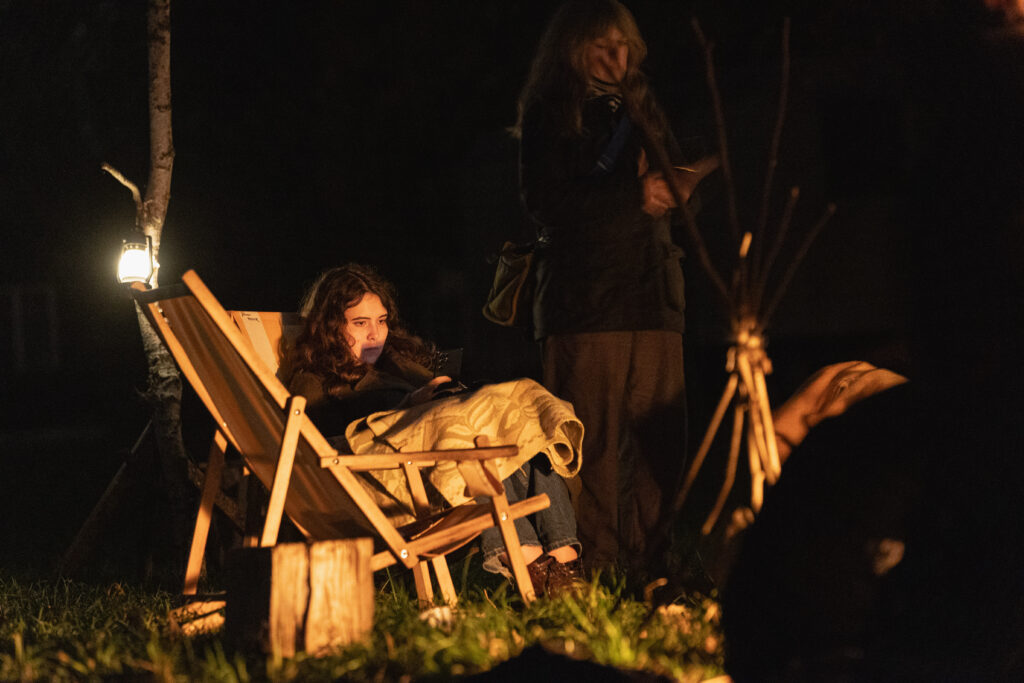
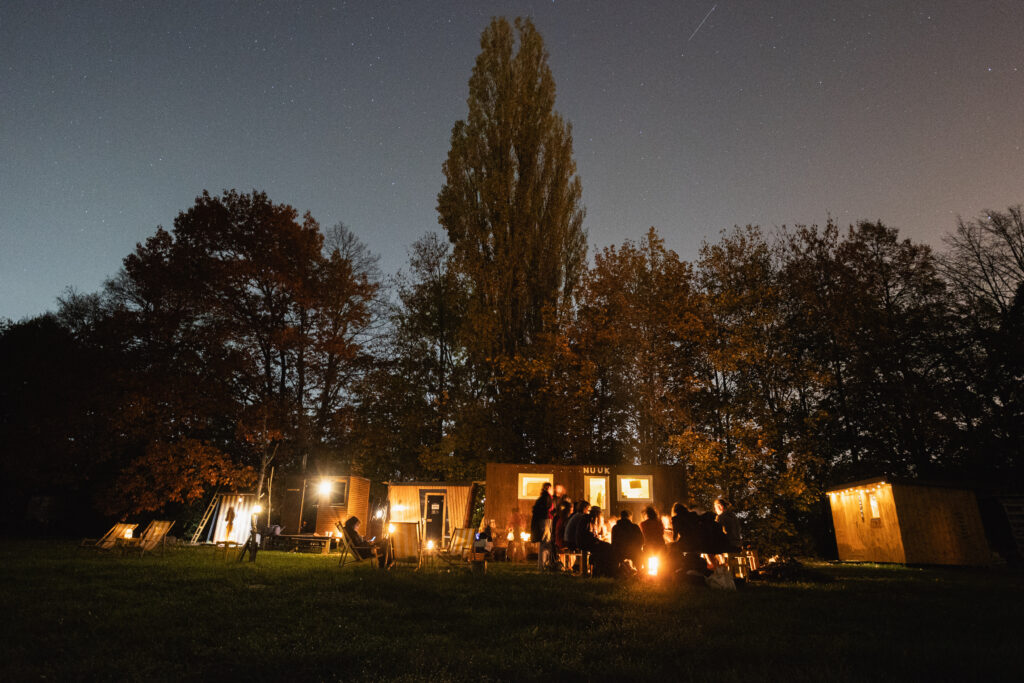
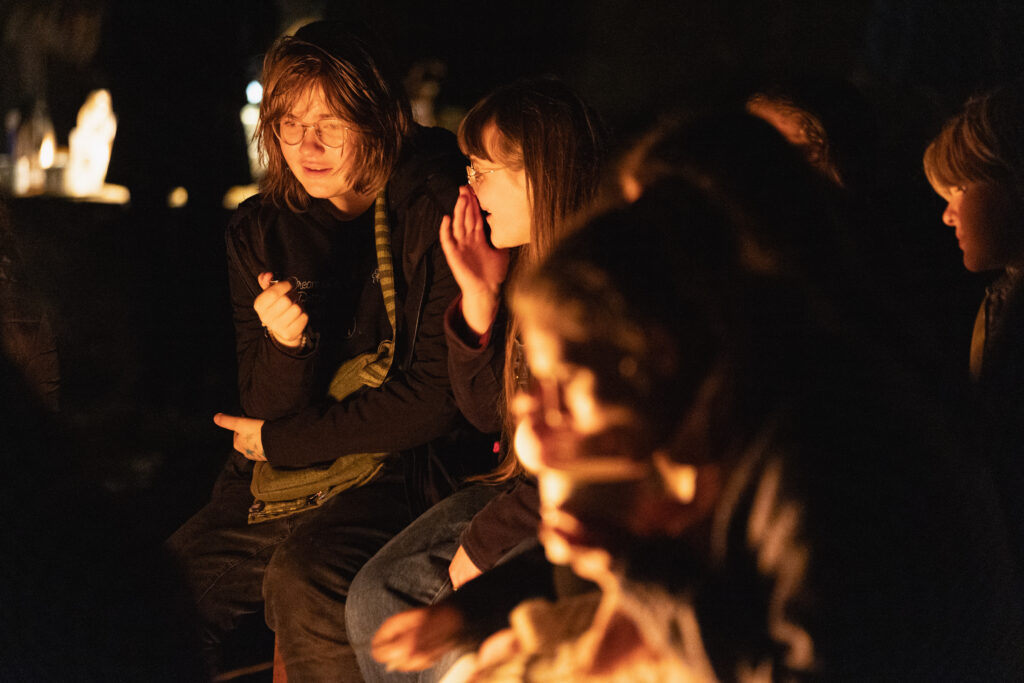
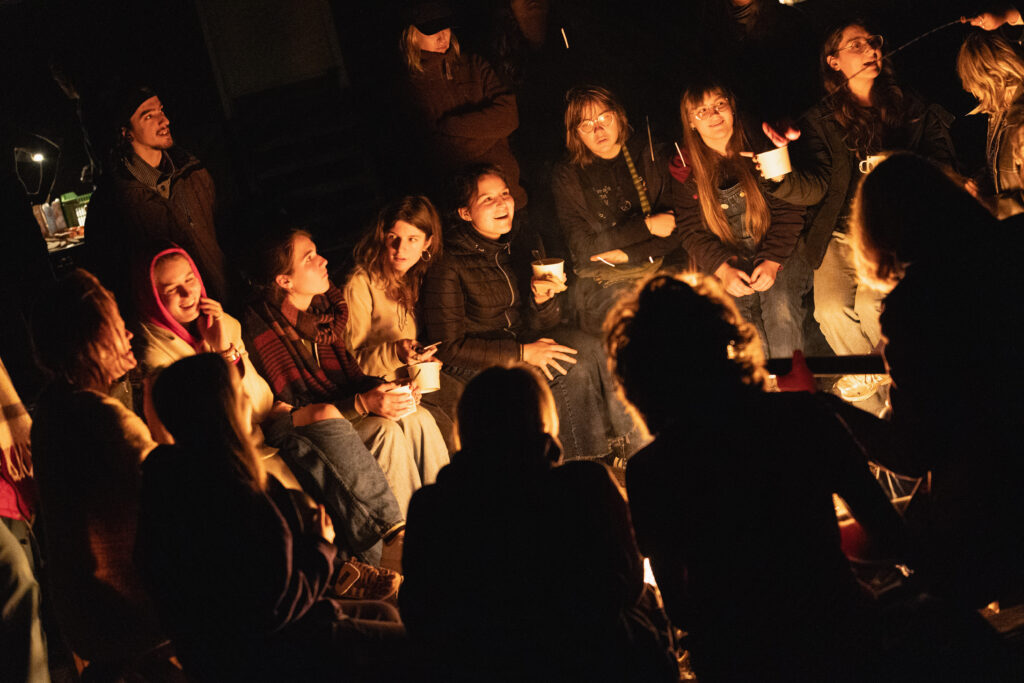
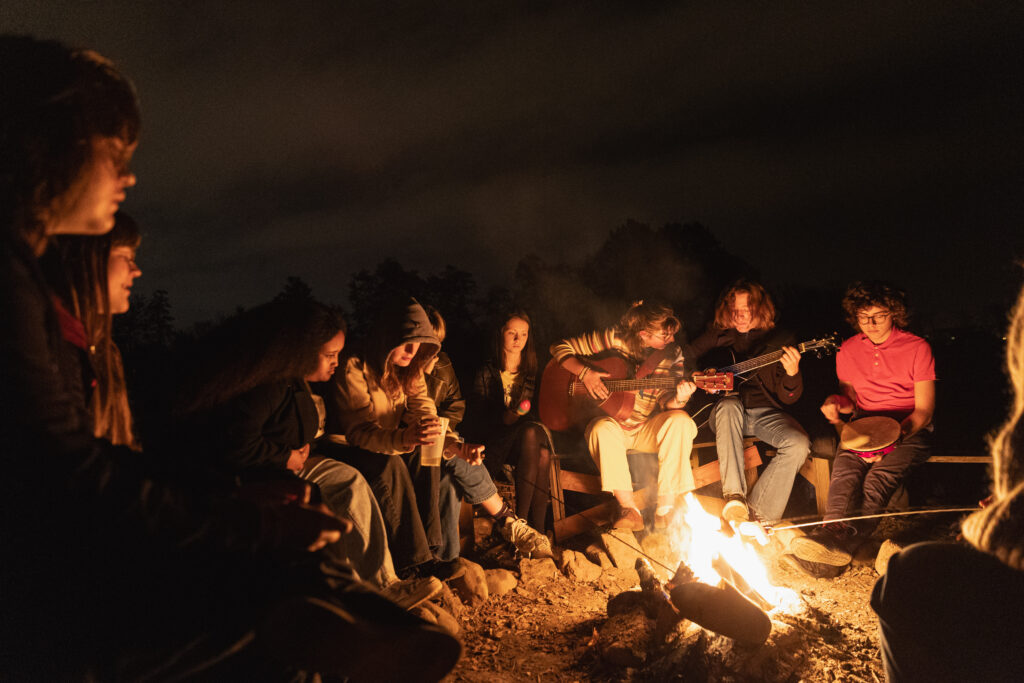
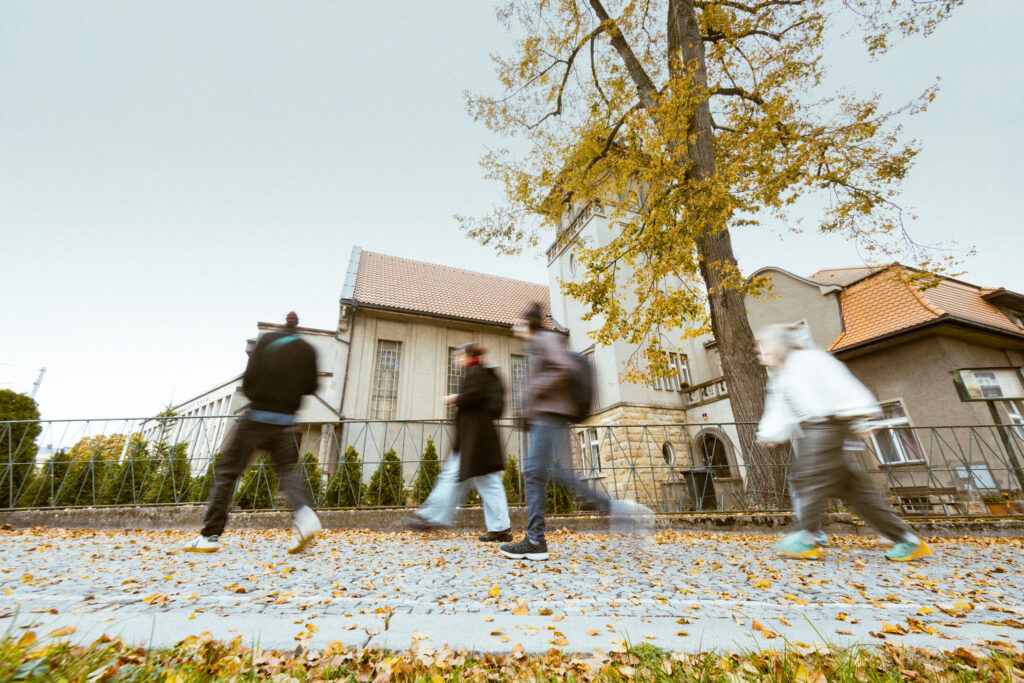
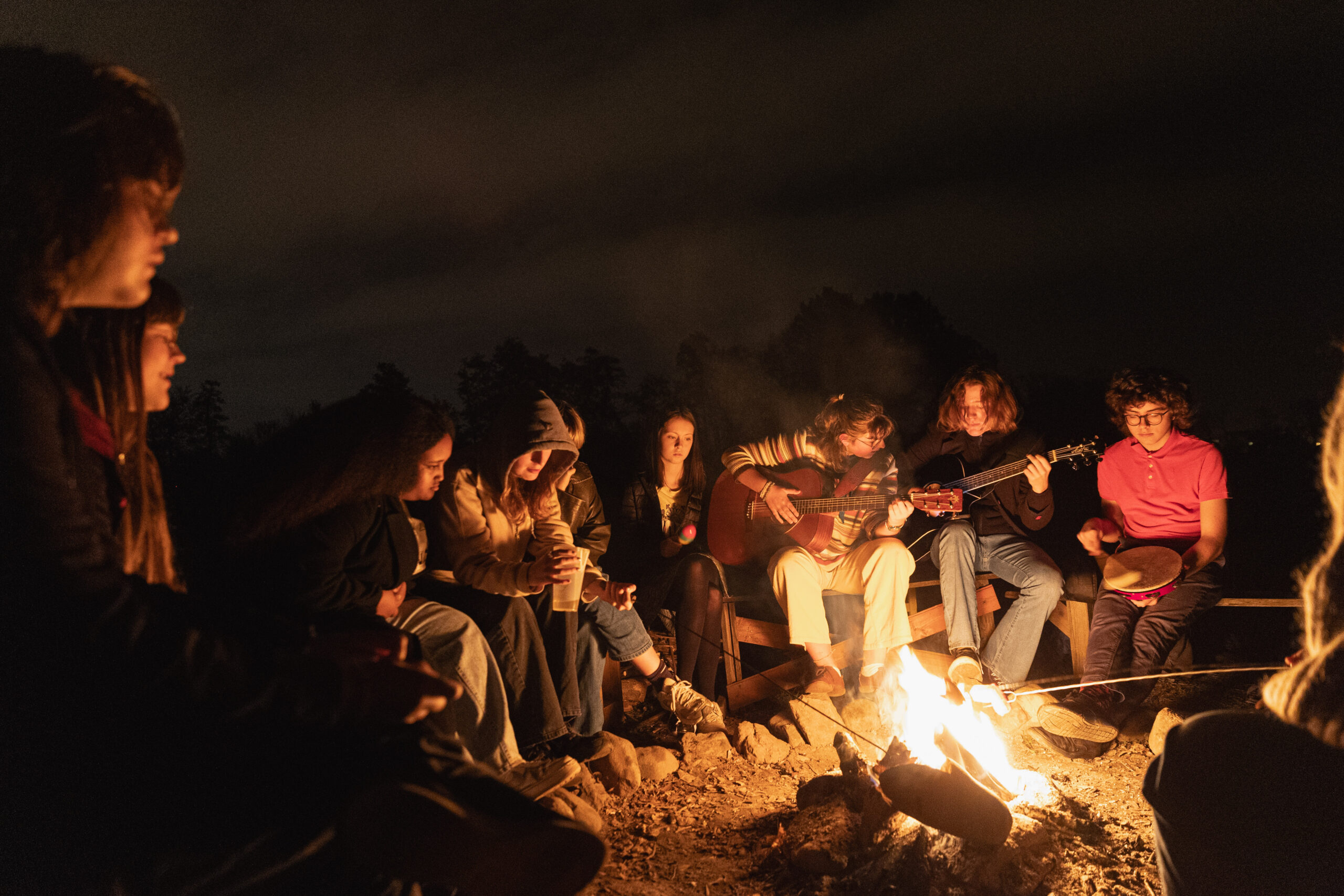
Through guided tours of the theatre and the city, as well as participation in Drak Theatre’s newly developed audiowalk, the local context of Hradec Králové became an active part of the programme. The camp concluded outside the city at the alternative cultural venue NUUK, where a shared evening around the fire, music and informal conversation provided a strong sense of collective closure.
What we take forward
Camp Artistic 2024 has generated several key insights that will inform the continued work within 3Place:
- Physical gatherings remain essential for building trust, artistic depth and long-term relationships.
- Young people strengthen both relevance and quality when included as active contributors rather than passive target groups.
- Artistic works should be embedded in professional exchange, not only discussed at an abstract level.
- Social space is a prerequisite for artistic space, not a supplement to it.
The experiences and reflections from the camp are still being processed and will feed into both the final phase of the 3Place project and the partners’ future programmes. The shared ambition remains clear: to develop performing arts for young audiences as a lasting third place – not only within projects, but as an ongoing artistic and institutional practice.