
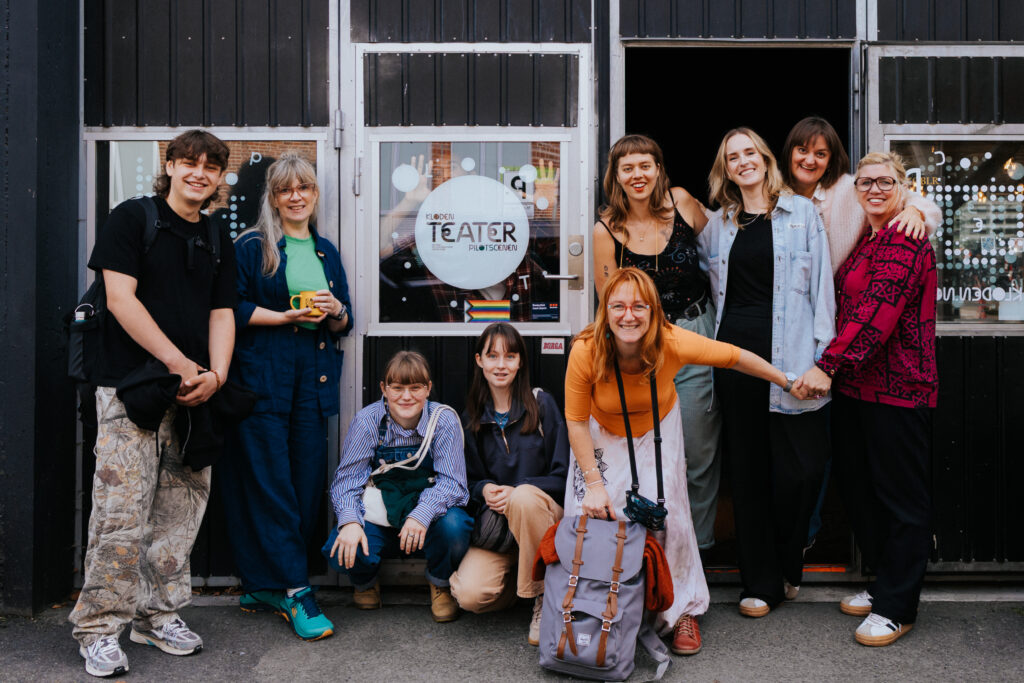
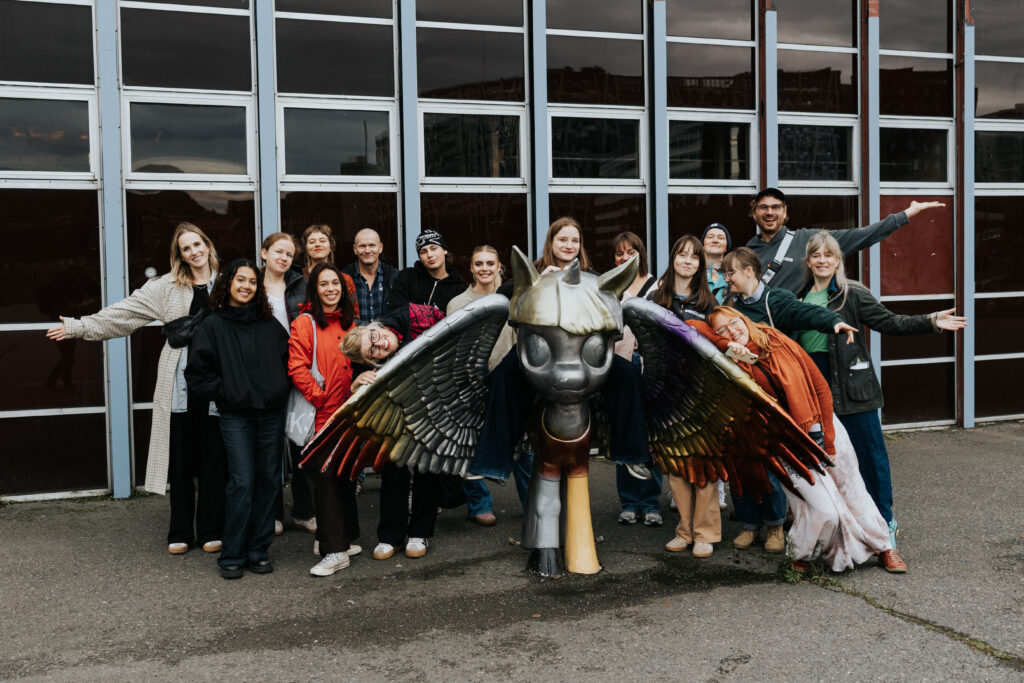
Camp Physical was the third and final international camp in the Creative Europe project 3Place – Performing arts as the Third Place for the young audience. Hosted by Norsk Scenekunstbruk (NSKB) in collaboration with Kloden Theatre, the camp gathered young participants and professionals from Norway, Germany (Junges Ensemble Stuttgart) and the Czech Republic (DRAK Theatre) for three days of shared research, artistic practice and city exploration.
Why Camp Physical?
Across the 3Place project, the camps function as living laboratories where sociological theories of third places are tested through artistic practice. Camp Physical asked a core question:
Can methods from the performing arts help us understand – and create – better third places in cities?
And:
What can well functioning public spaces in the city teach the performing arts field?
While previous camps focused on involvement (Stuttgart) and artistic creation (Hradec Králové), Camp Physical centred on the relationship between body and space. It explored how third places are experienced physically – indoors and outdoors, across generations, and through movement in the city.
Building on the experiences from Camp Involve (Stuttgart) and Camp Artistic (Hradec Králové), the Camp Physical addressed the following objectives:
- To investigate how third places are experienced physically, emotionally and socially
- To test performing arts methodologies as tools for urban and institutional development
- To strengthen intergenerational exchange between young participants and professionals
- To contribute to the long-term development of Kloden Theatre as a third place for young audiences
Who took part
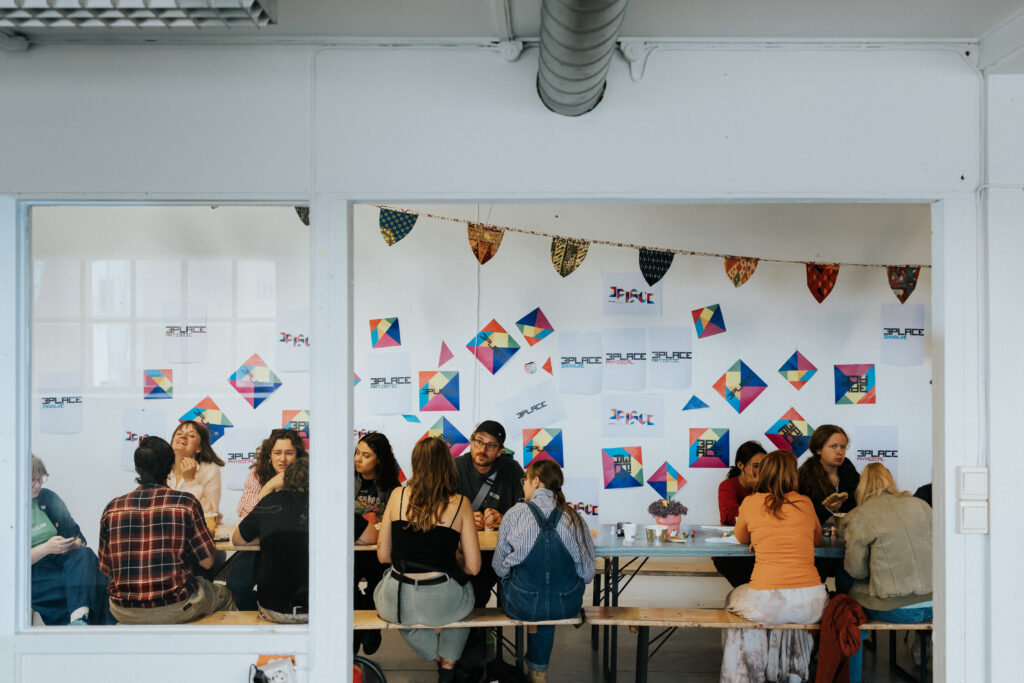
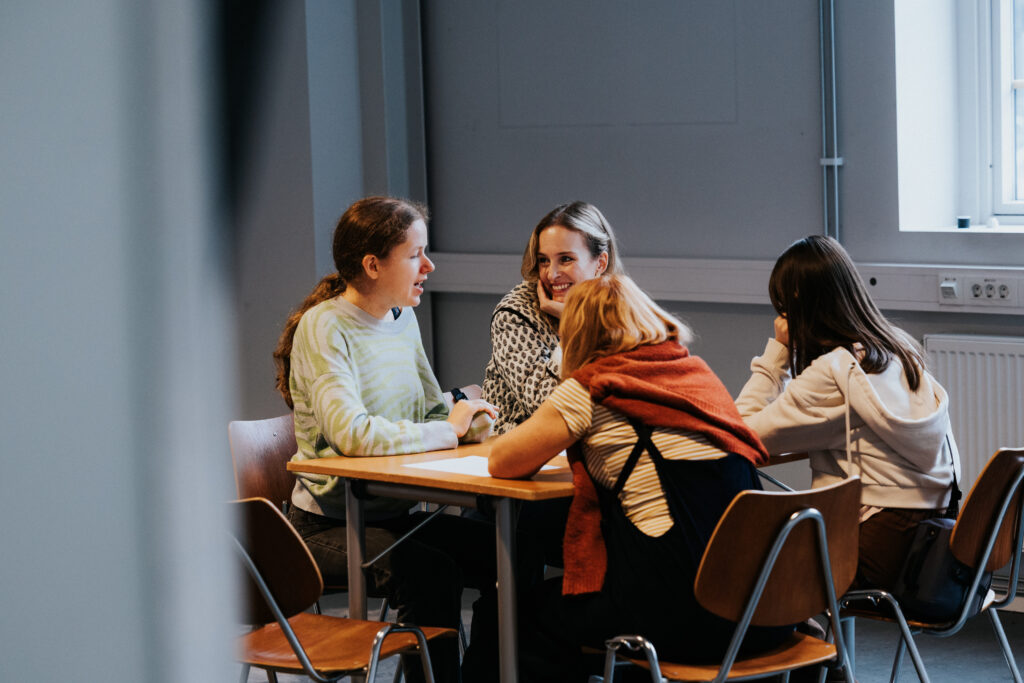
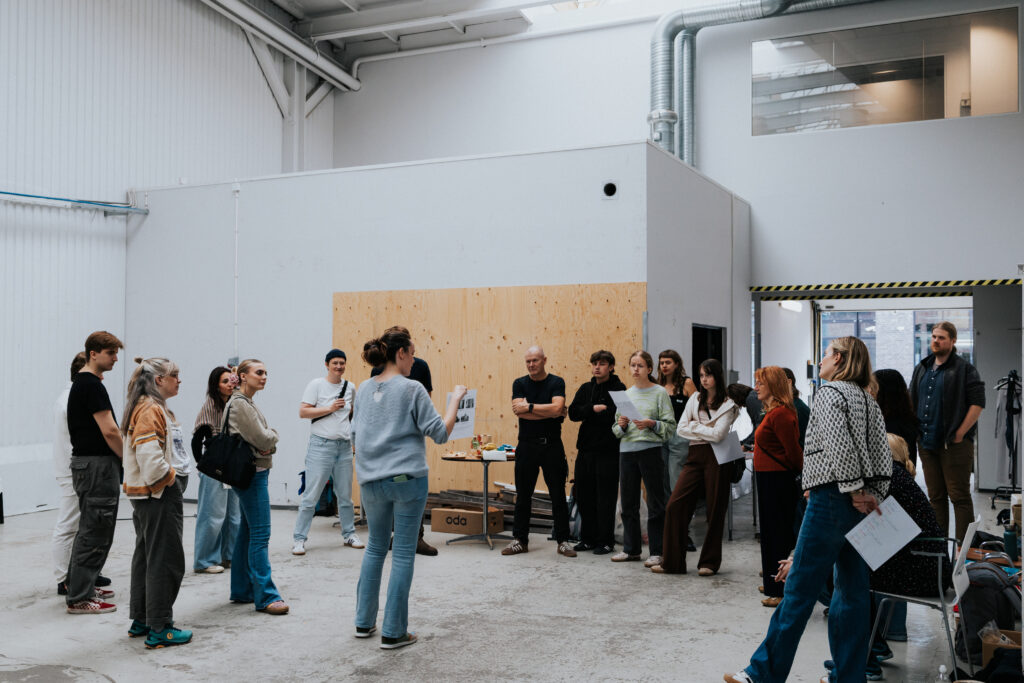
A total of 33 participants joined the camp, with an equal balance between young people and adults. This intergenerational mix shaped both the programme and the social design of the camp.
- Young participants and staff from:
- Norsk Scenekunstbruk (Norway)
- Junges Ensemble Stuttgart (Germany)
- DRAK Theatre (Czech Republic)
- Kloden Theatre staff as local co-hosts
- 8 Norwegian artists and facilitators contributing workshops and talks
The 50/50 youth–adult ratio required particular sensitivity in facilitation, ensuring that the adult participants were not positioned as observers, but as equal contributors throughout.
Methodology: from body to city
Camp Physical was structured around a clear methodological progression from the individual body (inside) to the collective urban landscape (outside). Over three days, participants explored:
- Bodily awareness and relational presence: The body as a starting point
- Artistic work within architectural spaces: Buildings and indoor spaces
- Neighbourhoods in transformation
- Public cultural institutions as third places
- Urban nature and shared city spaces: Nature, parks and waterways in the city
This “inside–outside” logic allowed participants to reflect on how third places emerge – not only as physical locations, but through relations, safety, time and shared presence.
A key principle was to introduce creative processes at the very beginning of each exploration, rather than as a concluding activity.
Day 1: Kloden Theatre and Økern – bodies, buildings and neighbourhoods
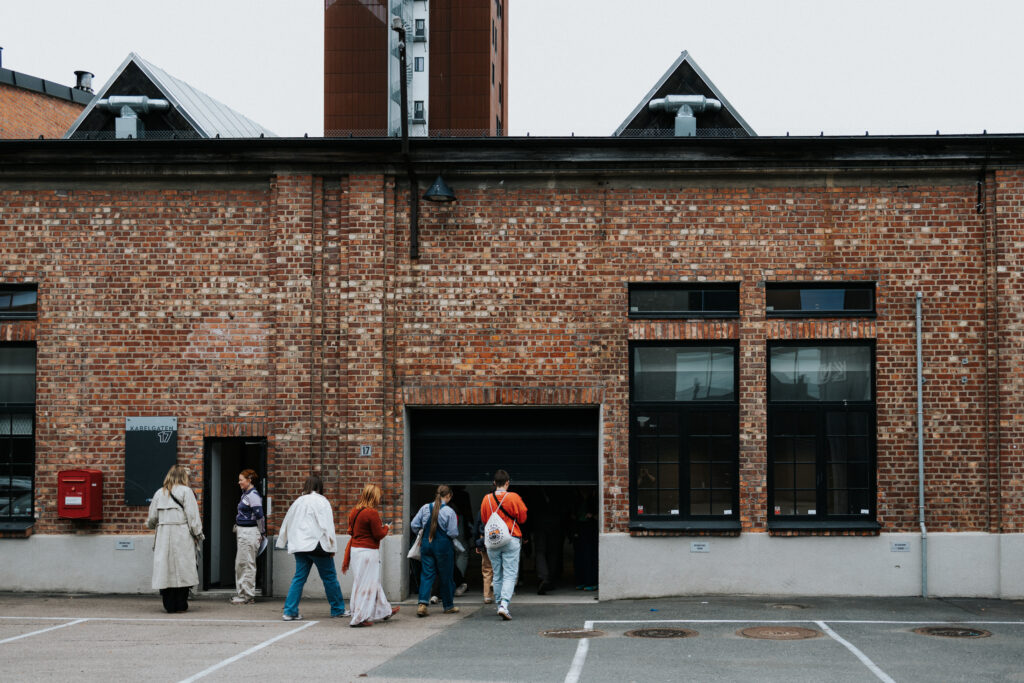
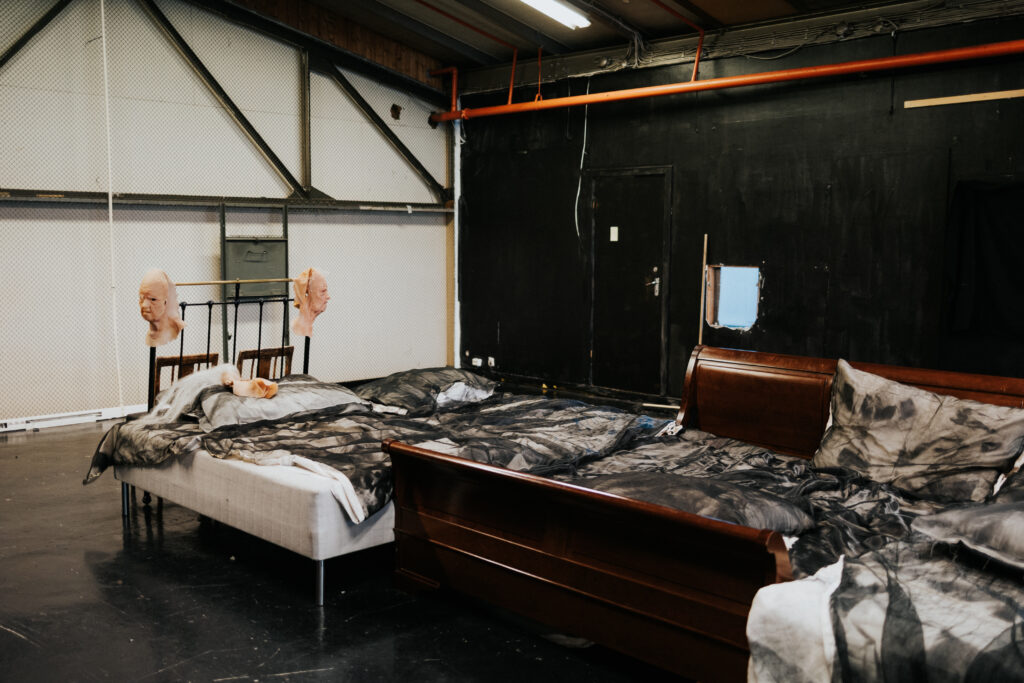
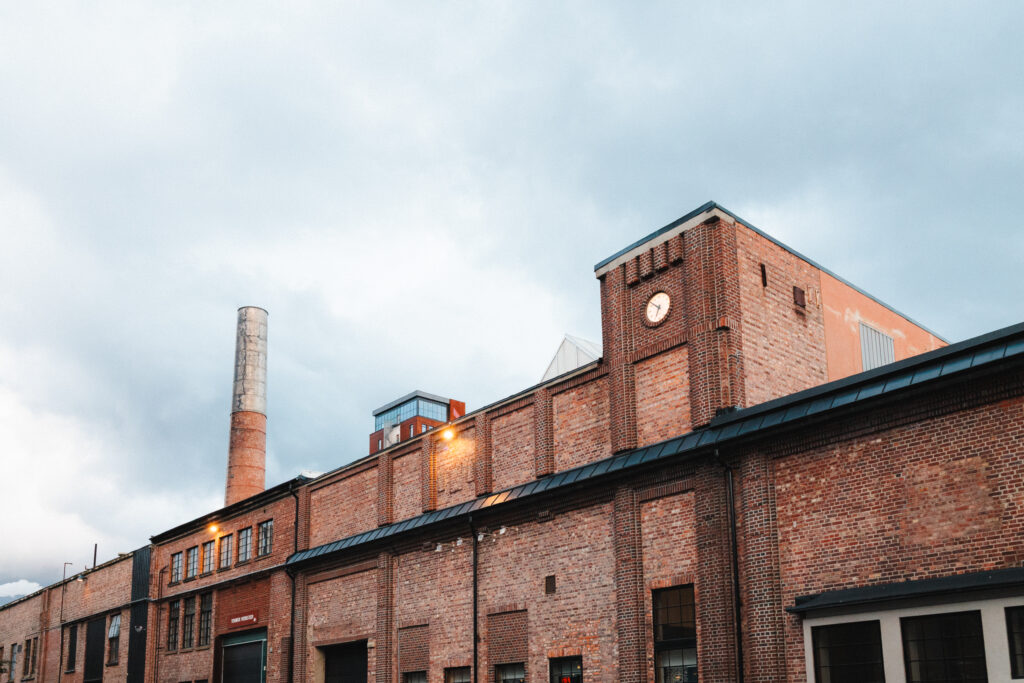
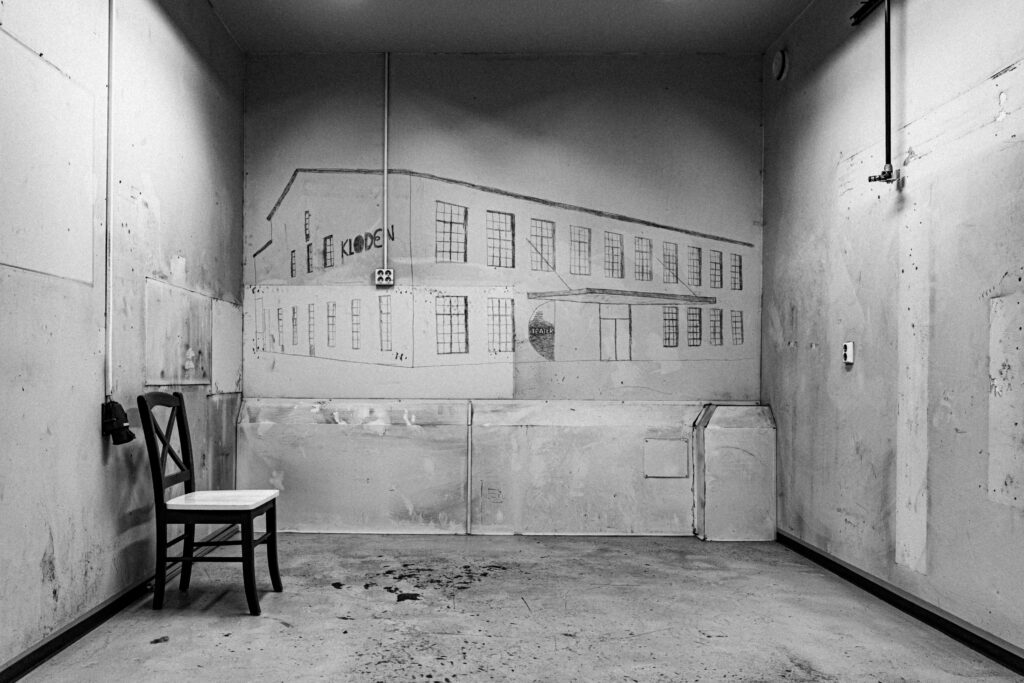
The camp opened at Kloden Theatre, housed in an old factory building scheduled for demolition og the interior and redevelopment.
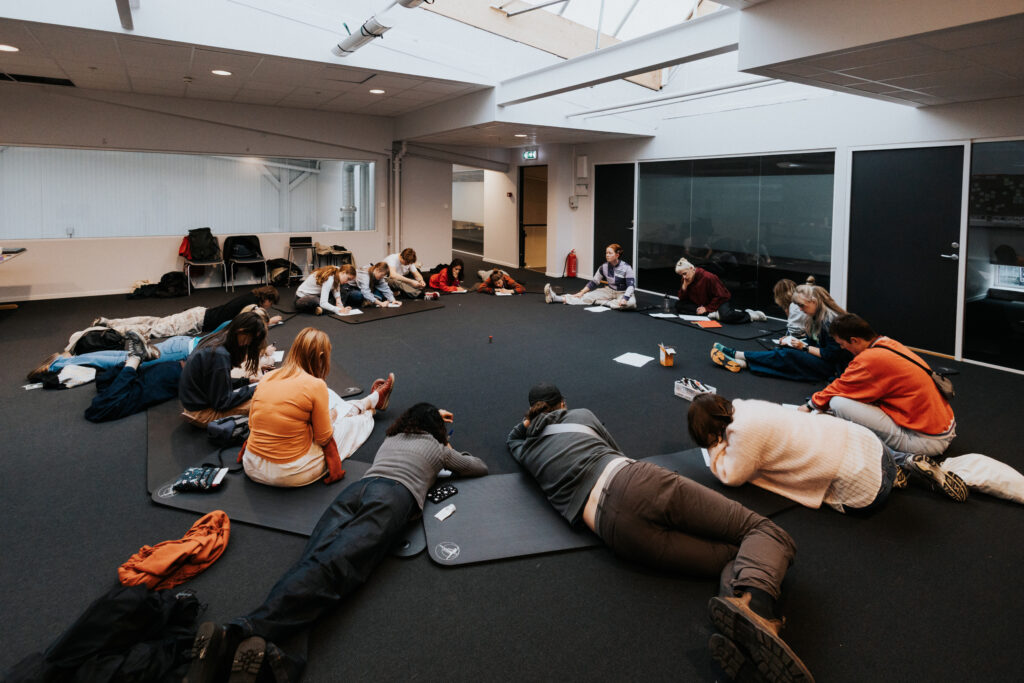
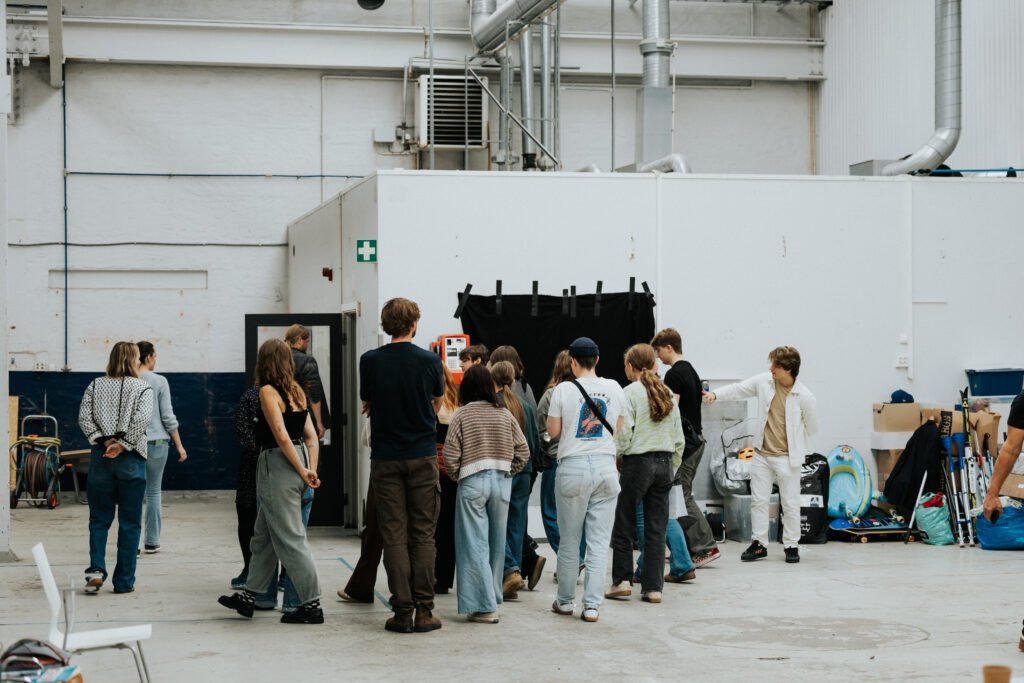
Warm-up: creating trust through movement
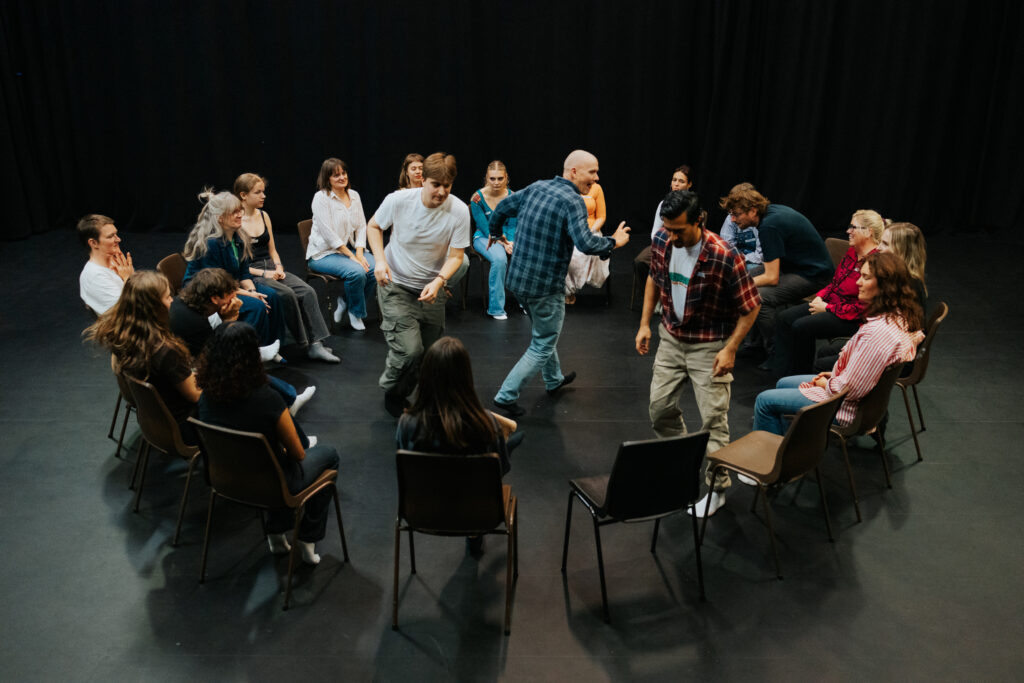
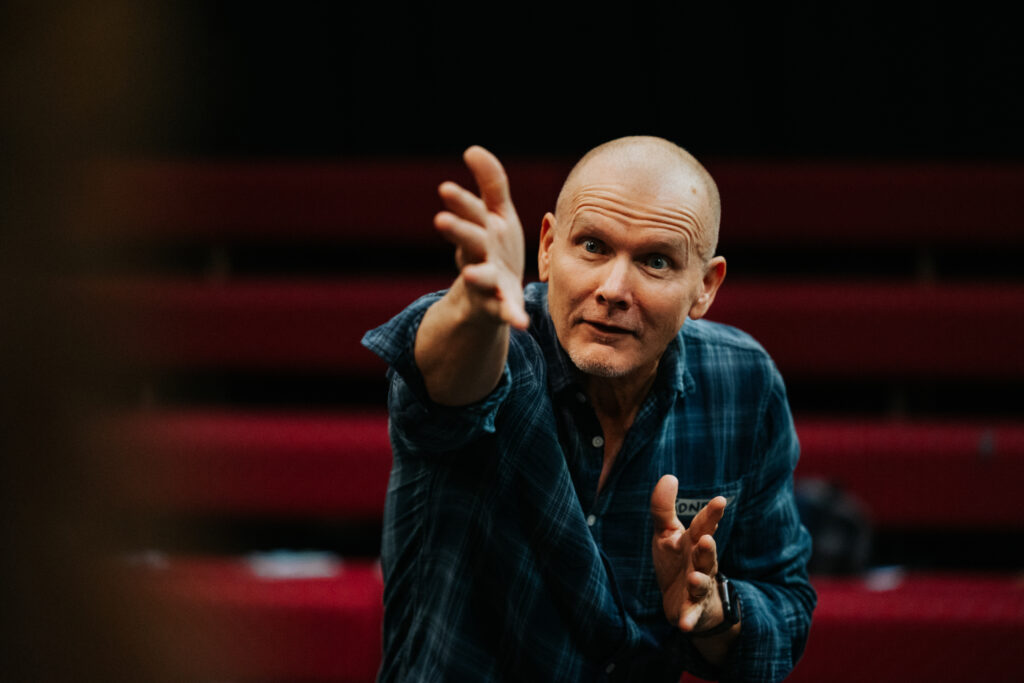
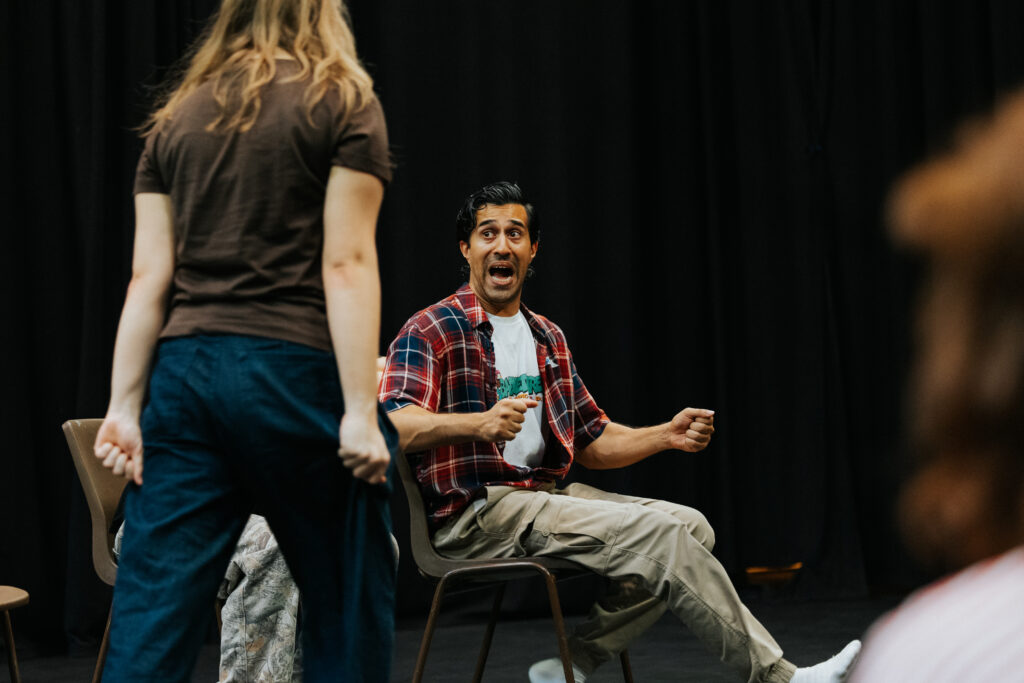
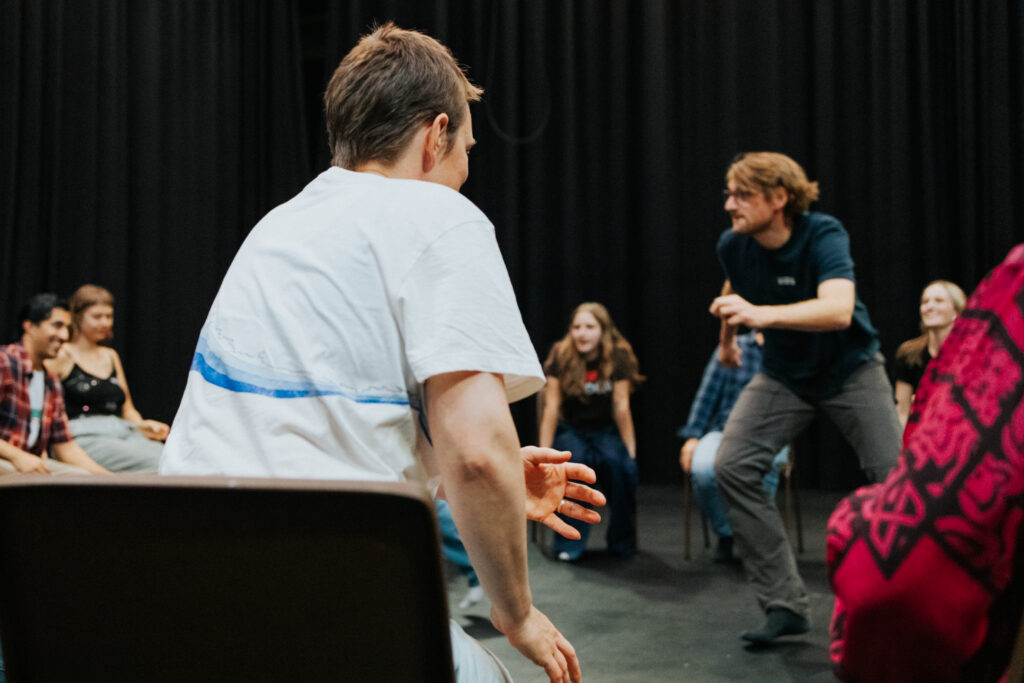
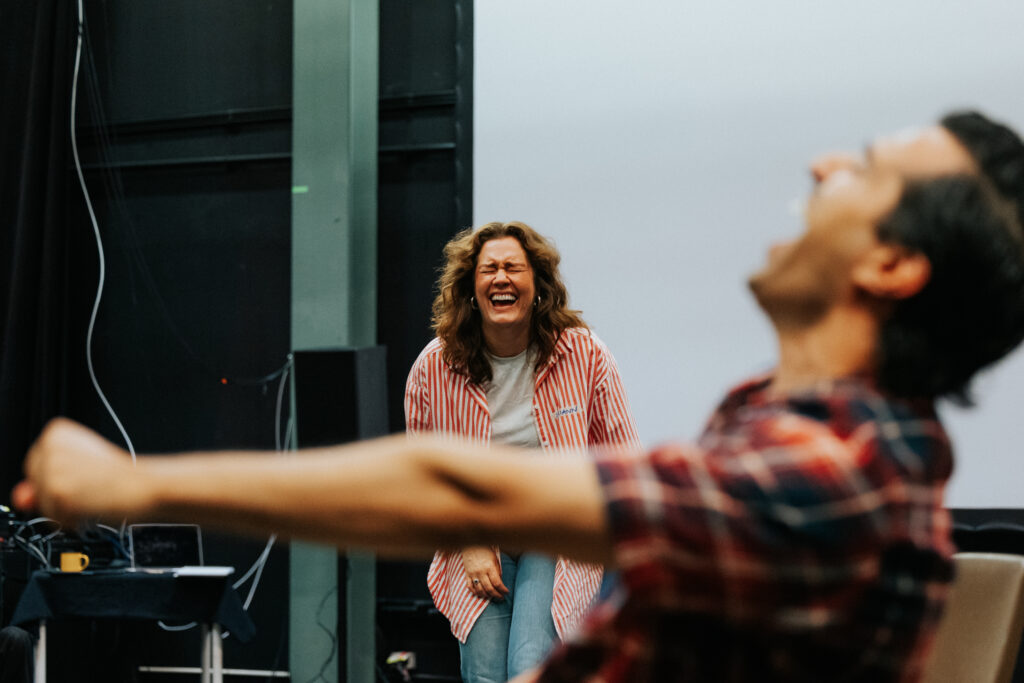
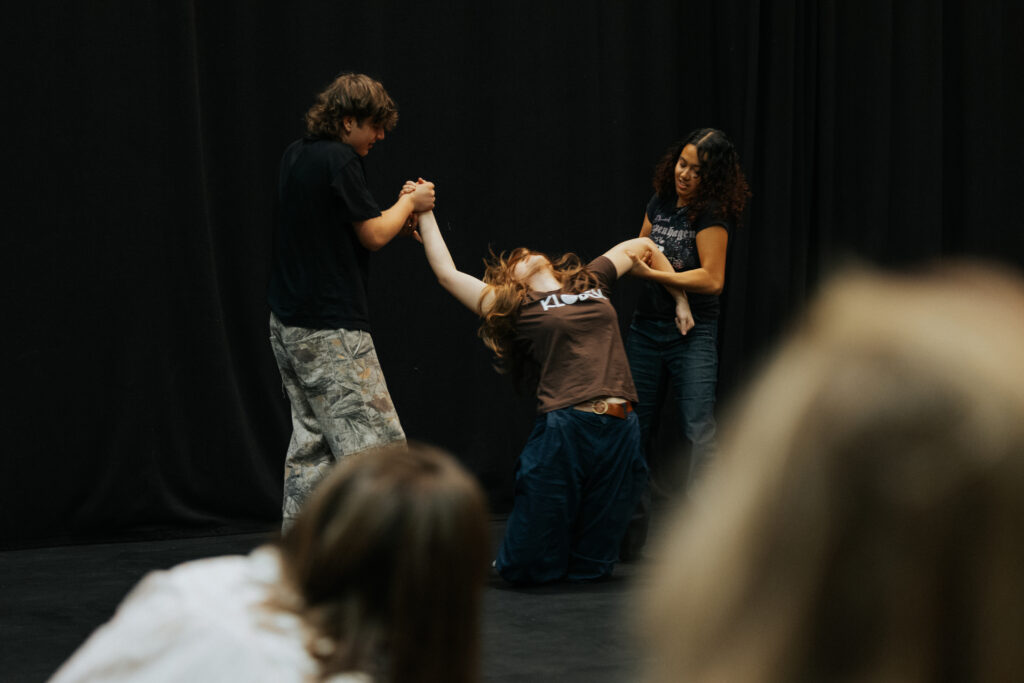
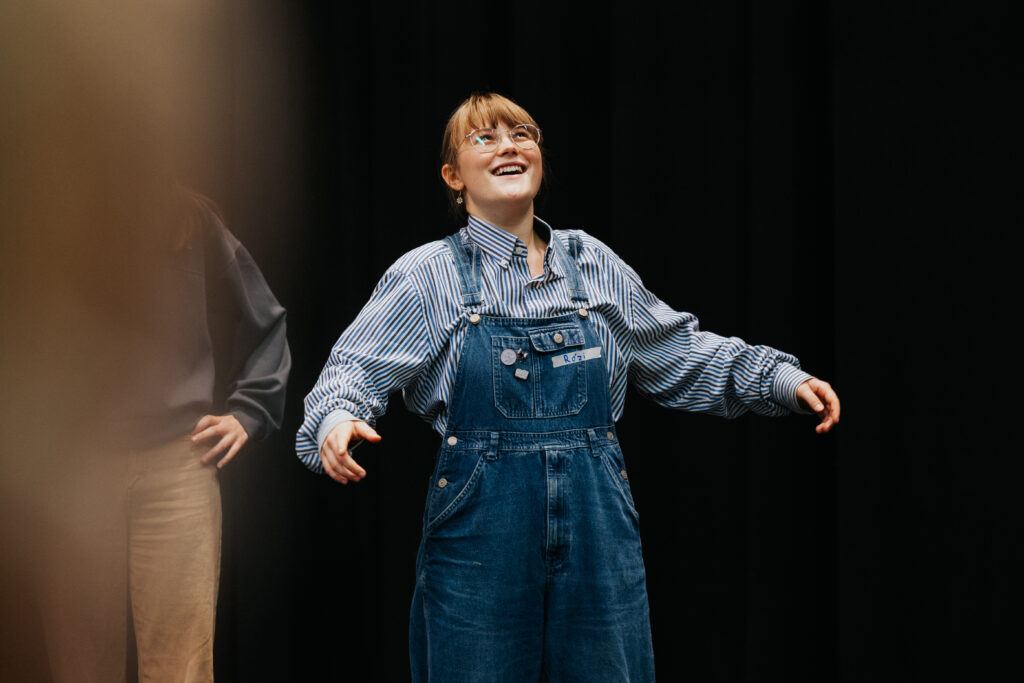
Artists Jawad Aziz and Siriann Berdal (SPKRBOX / Det Andre Barneteatret) led the opening warm-up. Through physical exercises, improvisation and play, the group established a shared rhythm and sense of safety – essential for the days ahead.
SPKRBOX’s ethos, “Own stories, own terms”, strongly resonated with the 3Place project’s values around representation and belonging.


Kloden Theatre: a place in transition
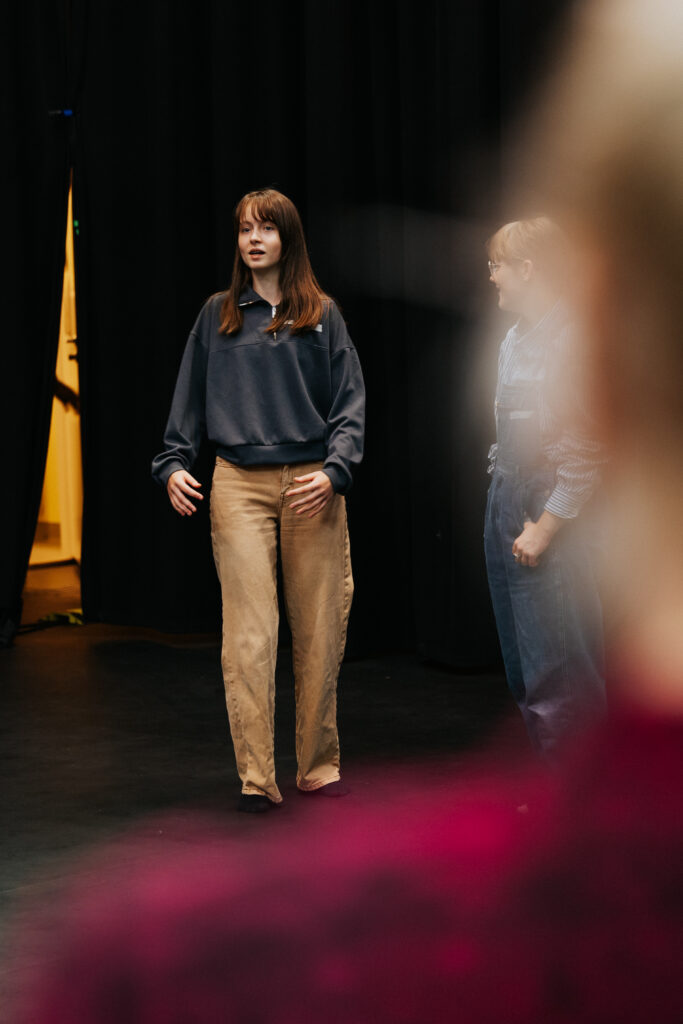
Artistic director Ådne Sekkelsten guided the group through Kloden’s existing spaces – many of which would soon disappear. Camp Physical became the last group to inhabit these rooms, giving the visit a sense of closure and anticipation.
Kloden has been central to the 3Place project from the start: the idea of the theatre as a future third place for young people in Oslo was one of the project’s original motivations.
Risk and bonding: meeting an artist
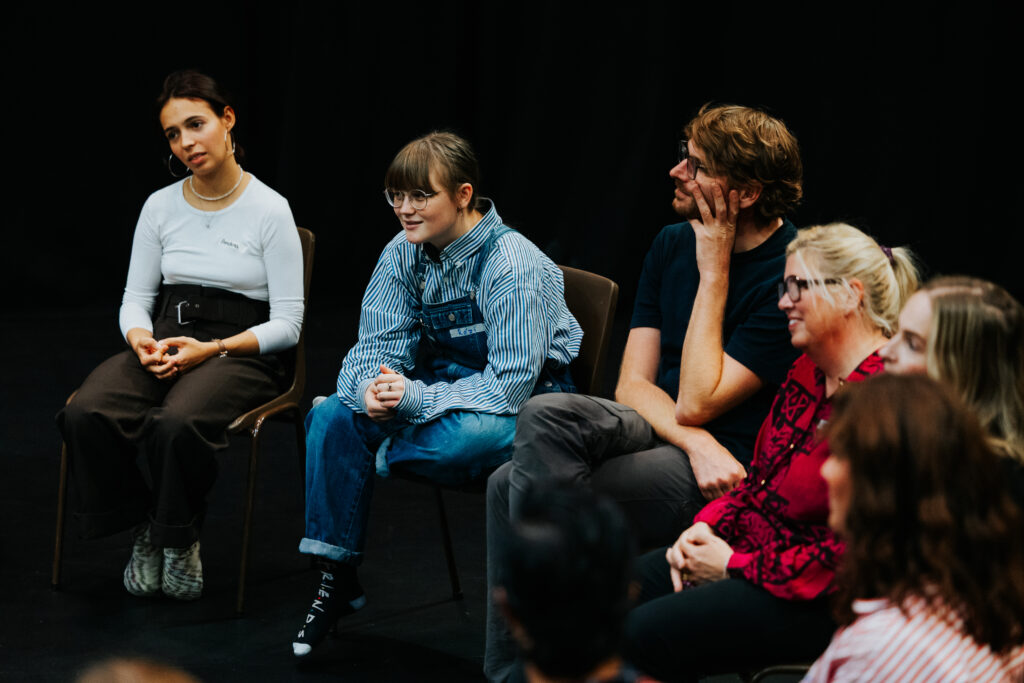
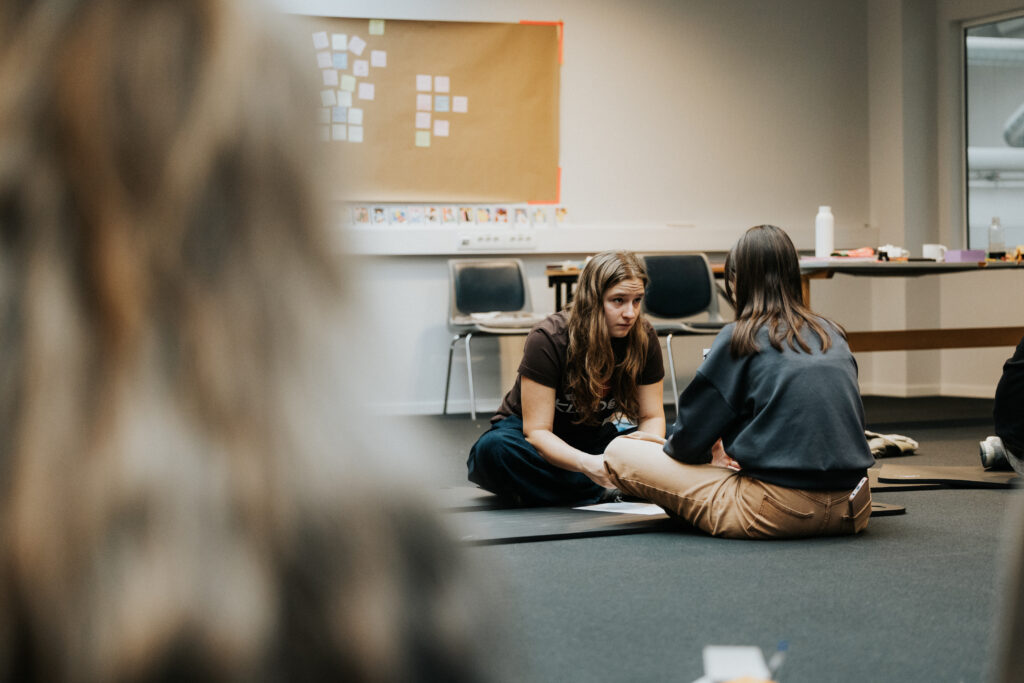
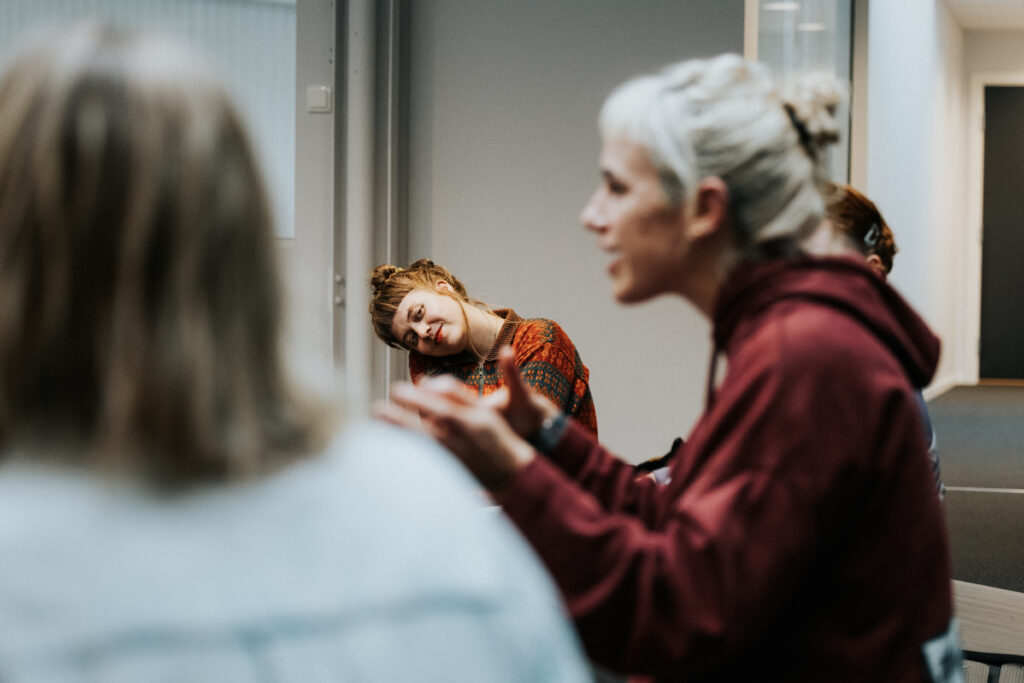
Theatre maker Ellen Jerstad shared her artistic process through a conversation about sexual education in schools and popular culture. Although risky so early in the camp, the session fostered unexpected bonding and revealed strong intergenerational parallels in lived experience.
The facilitators later reflected that while successful, this level of personal exposure requires careful timing and trust.
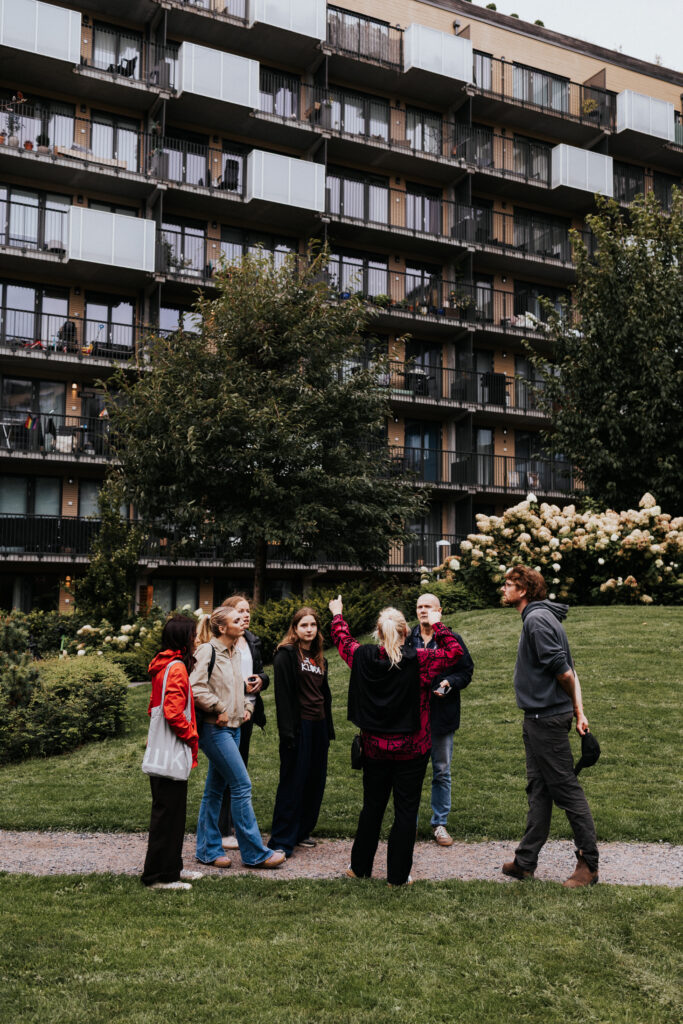
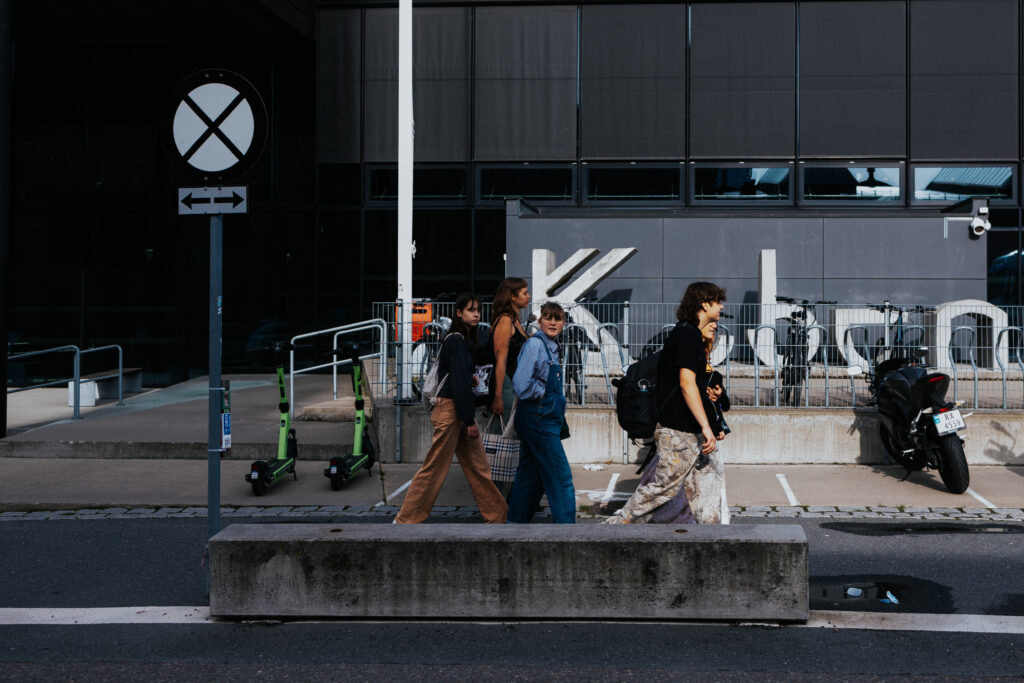
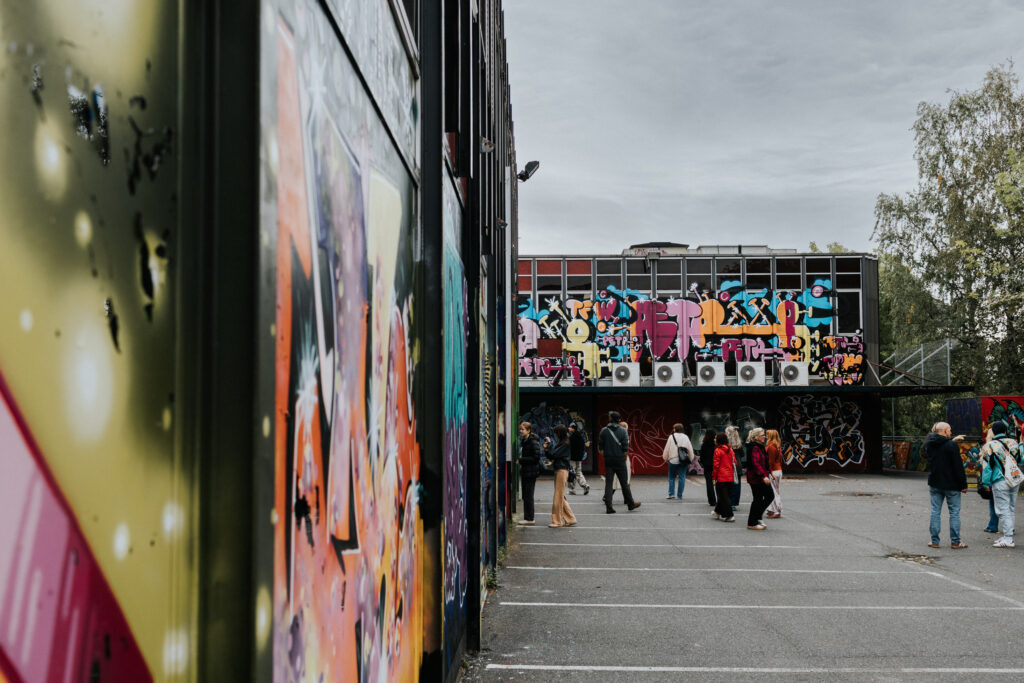
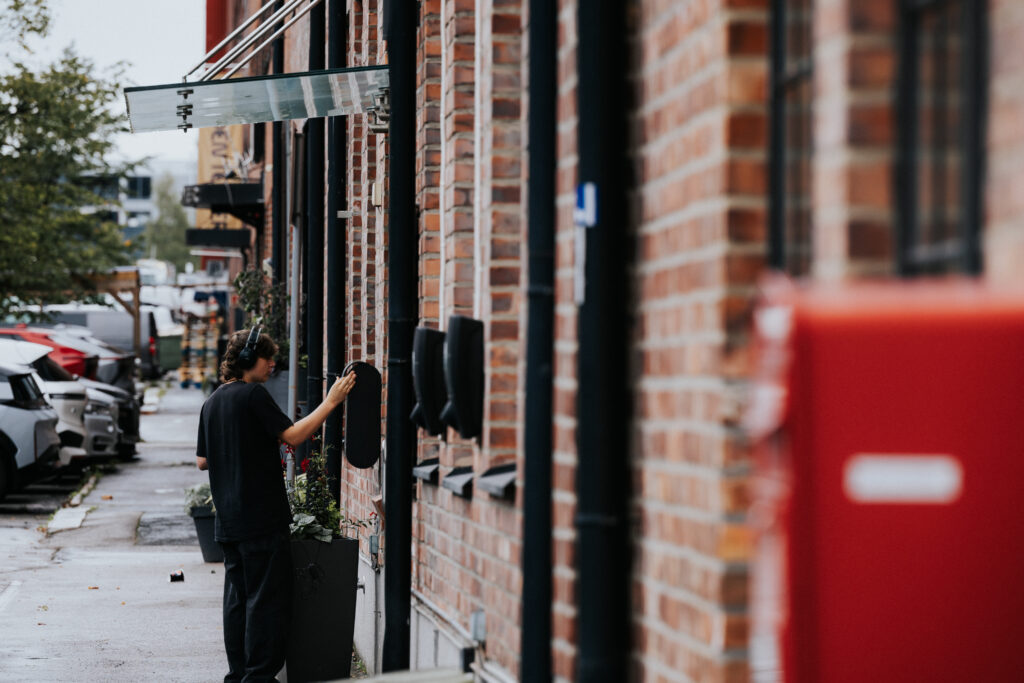
Walking Kabelgata: from traffic to neighbourhood
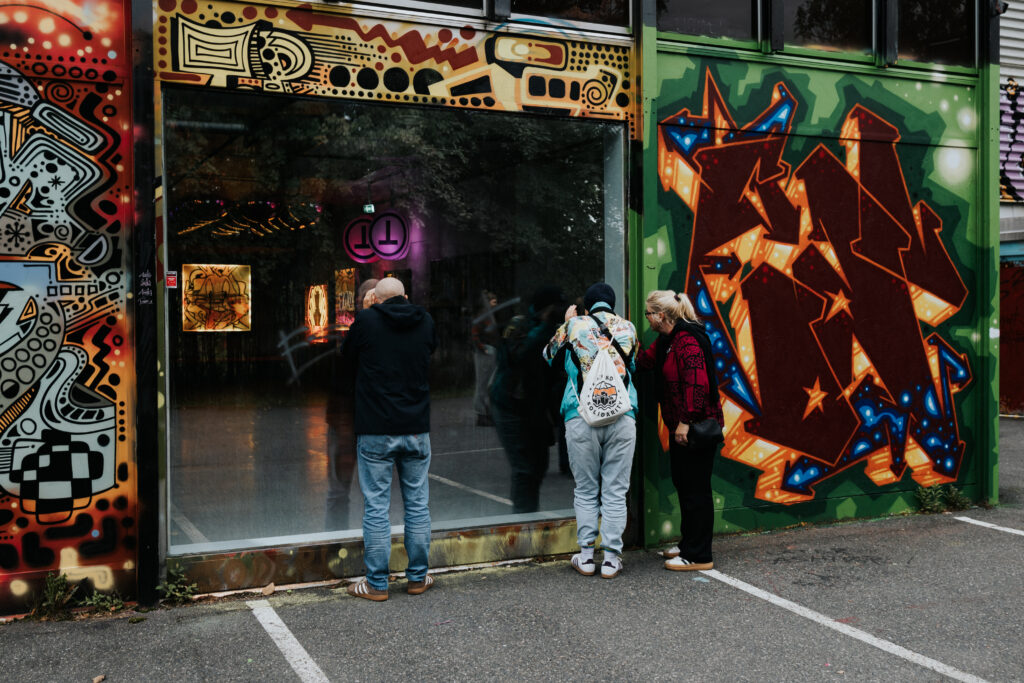
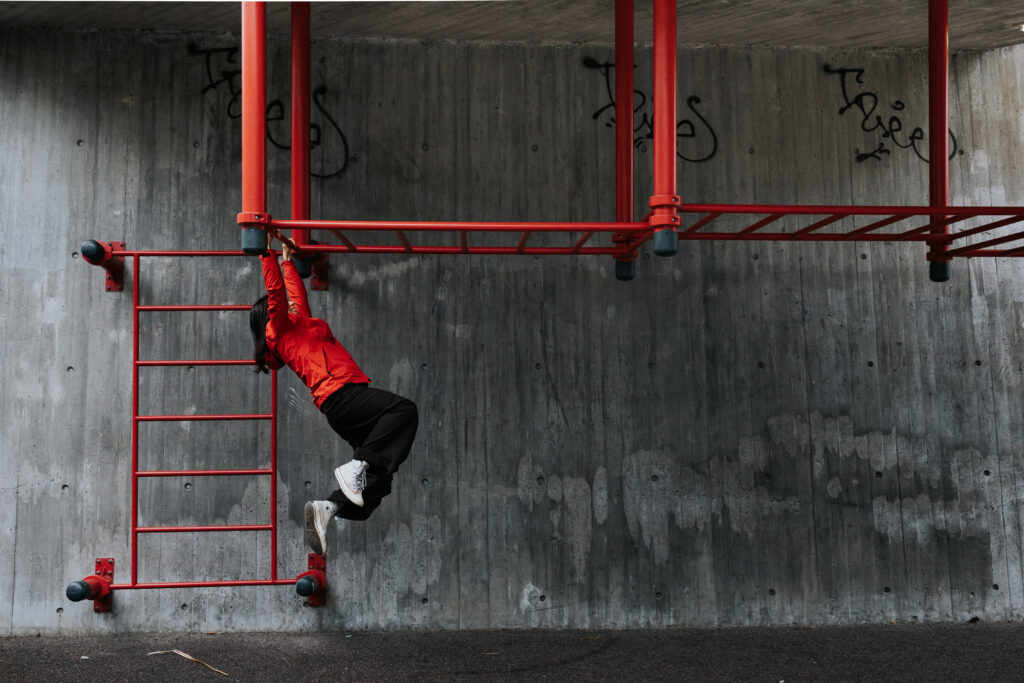
Participants walked through Kabelgata and the wider Økern area – currently a landscape of traffic, offices and industry, but under rapid transformation.
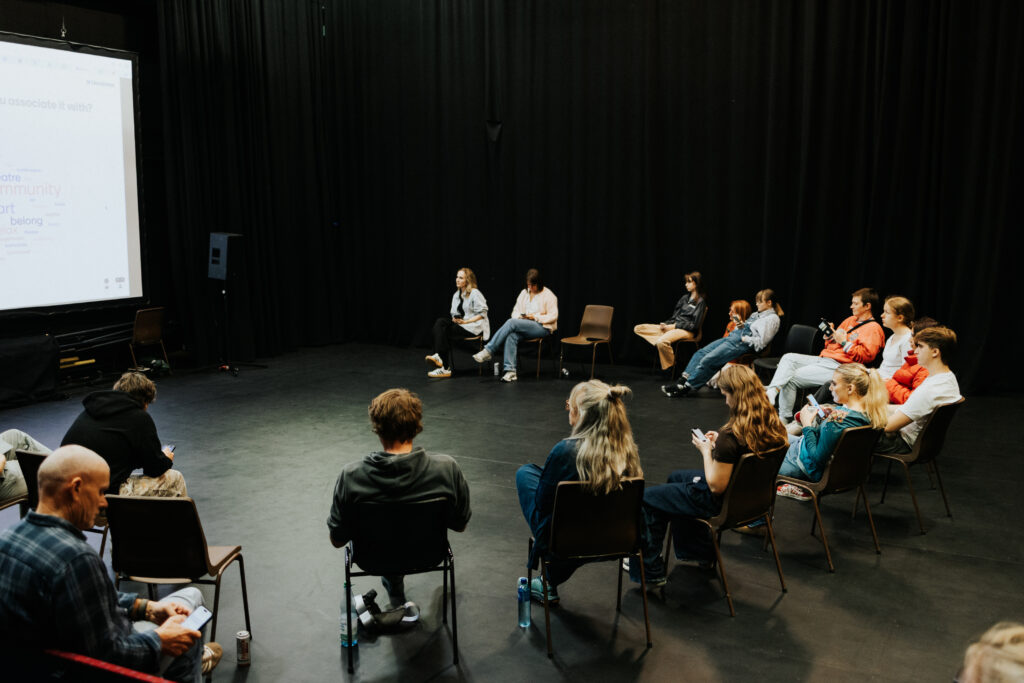
Using a shared digital channel, participants documented sensory impressions and questions:
- Where do we feel safe or unsafe?
- What does this area communicate to our bodies?
- What kinds of interaction are invited – or prevented?
Digital and social innovation: KOBLR
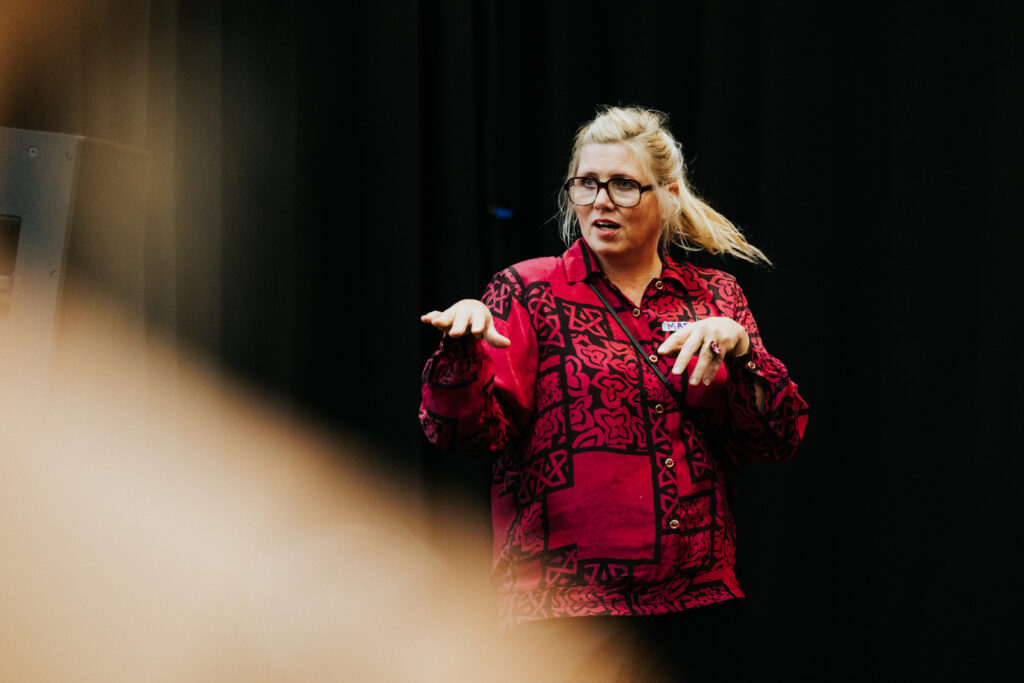
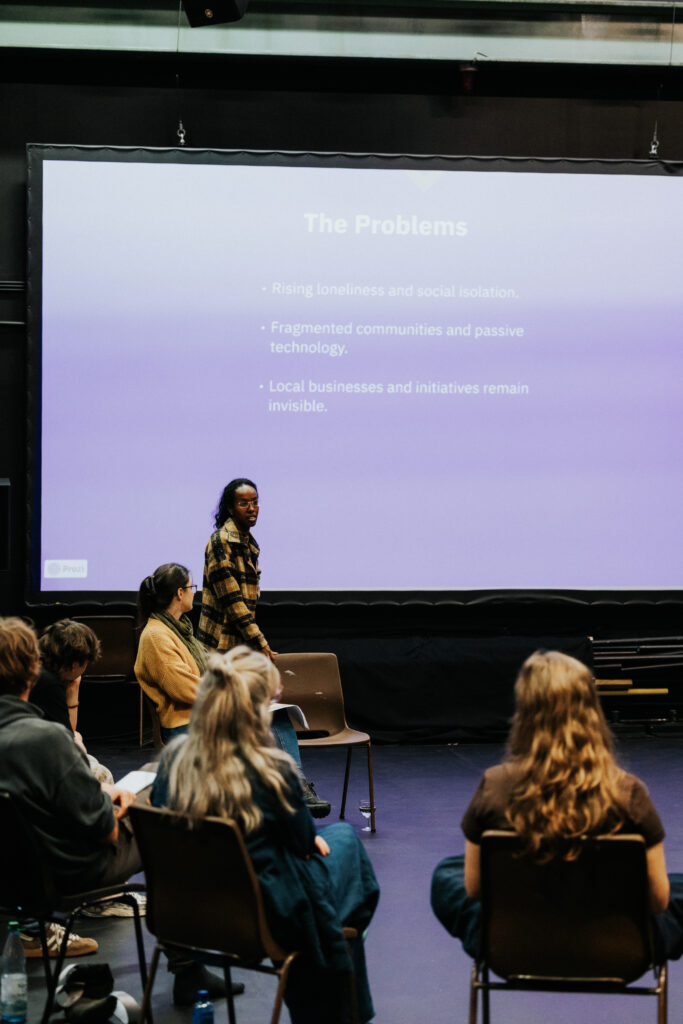
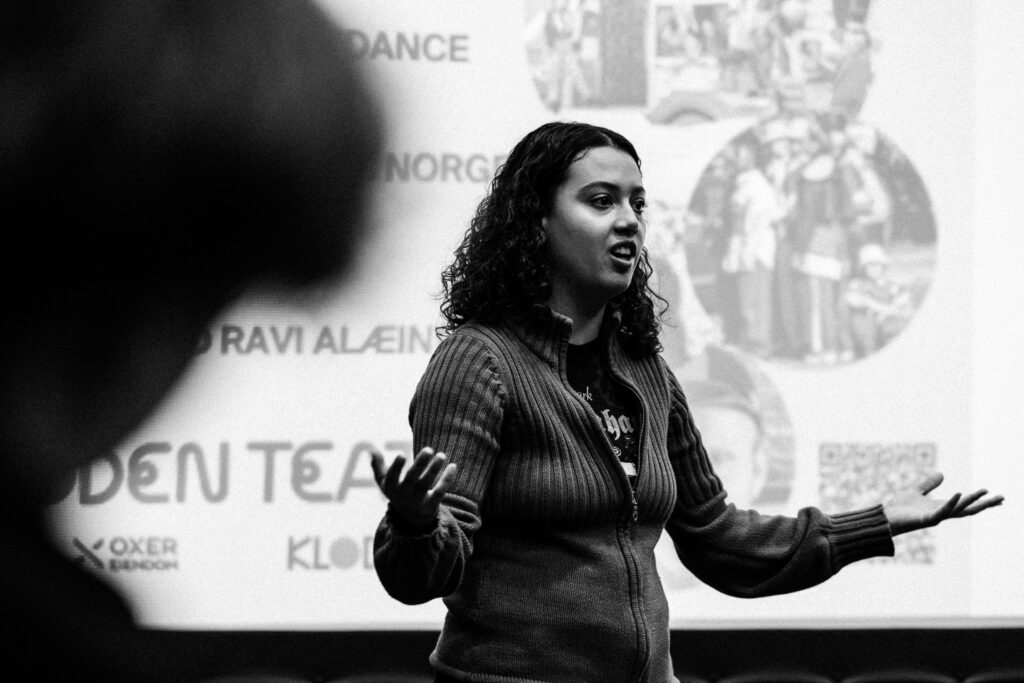
Back at Kloden, Hibo Samatar presented KOBLR, a platform combining digital tasks and physical walking to spark encounters and social interaction in neighbourhoods. The presentation highlighted new ways of activating third places through playful participation.


Tacos and trolls
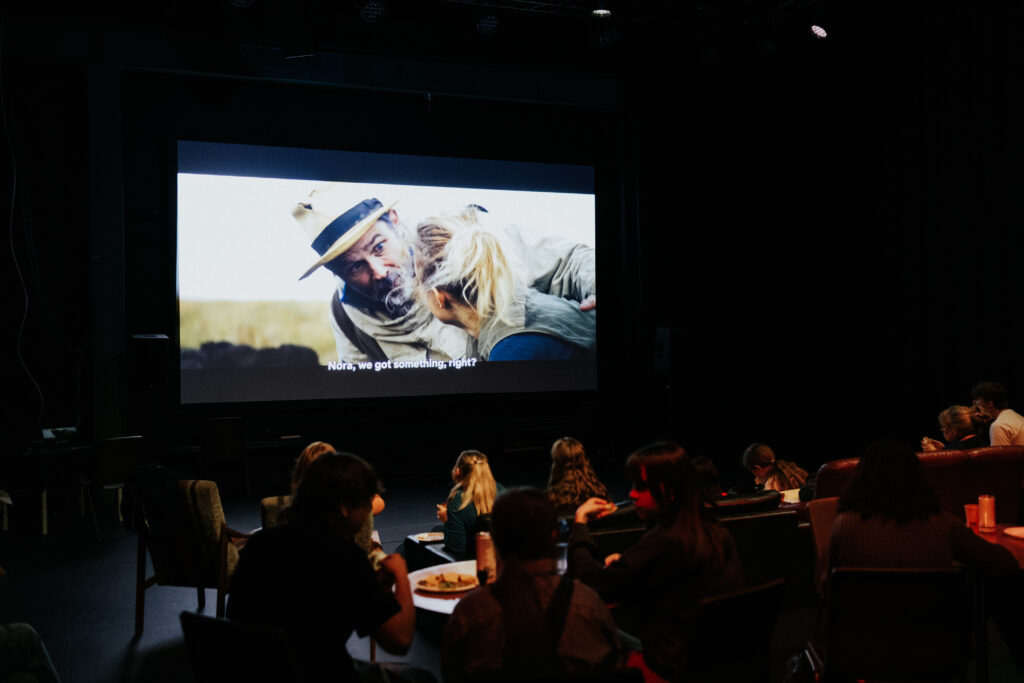
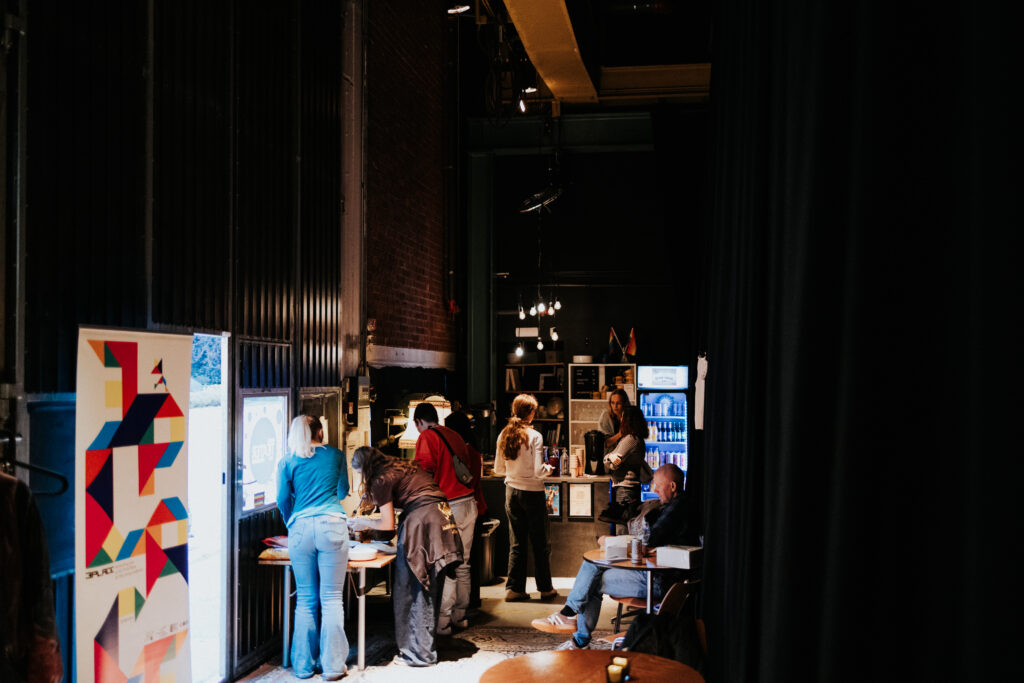
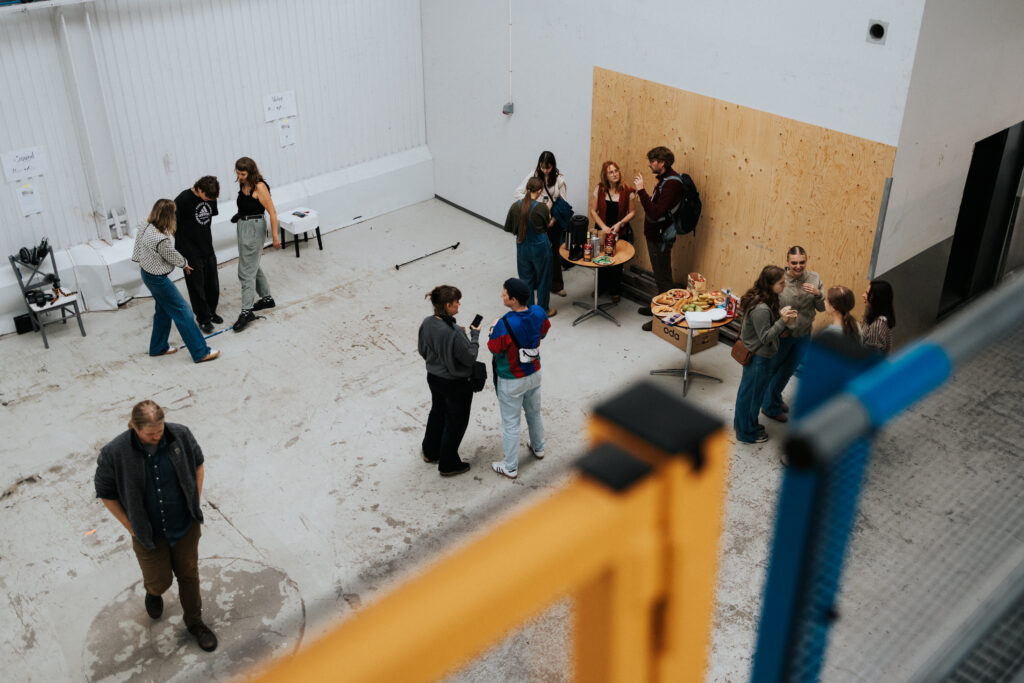
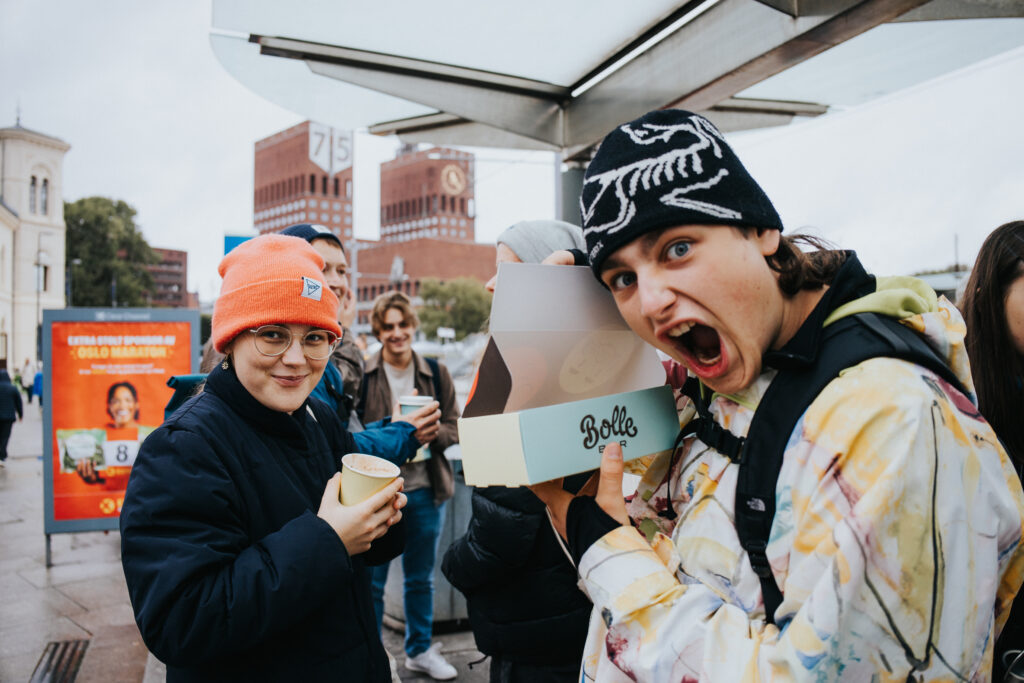
The day ended with a youth-led social ritual: Norwegian Friday tacos and a film screening. Cooking, arranging furniture and watching a movie together proved to be one of the strongest third-place moments of the entire camp.


Day 2: Time, memory and artistic research
Workshop with Glød studios: communication through time
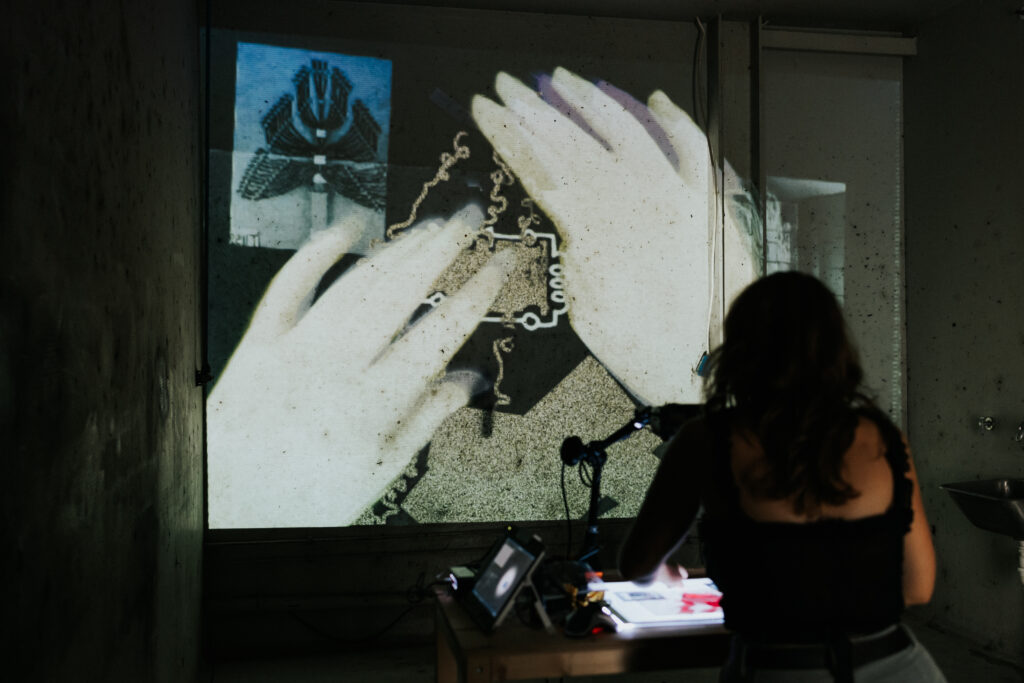
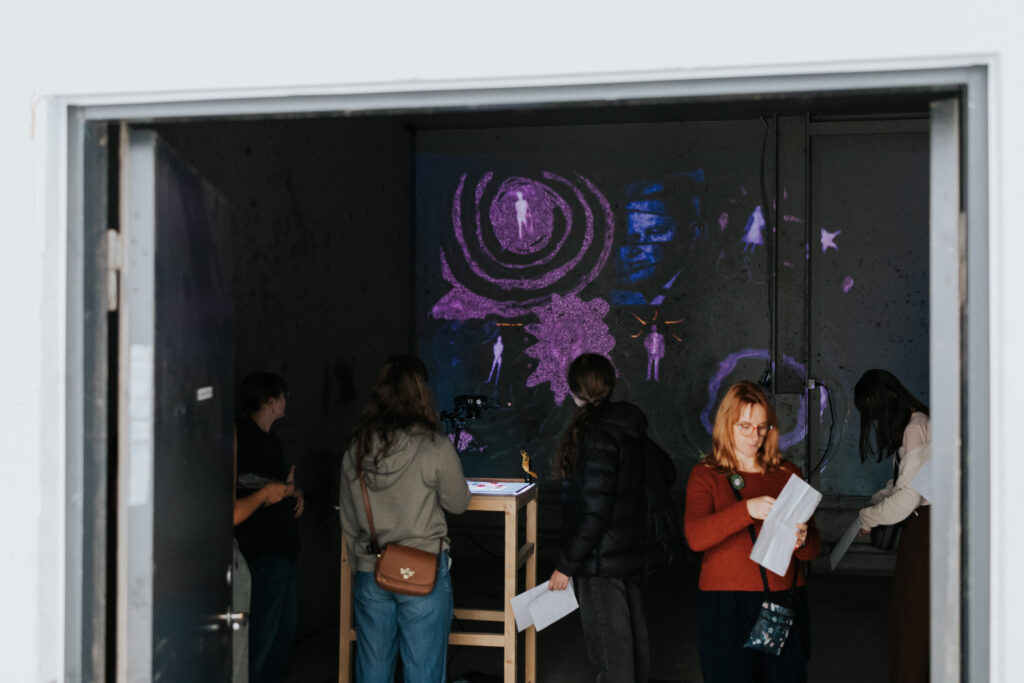
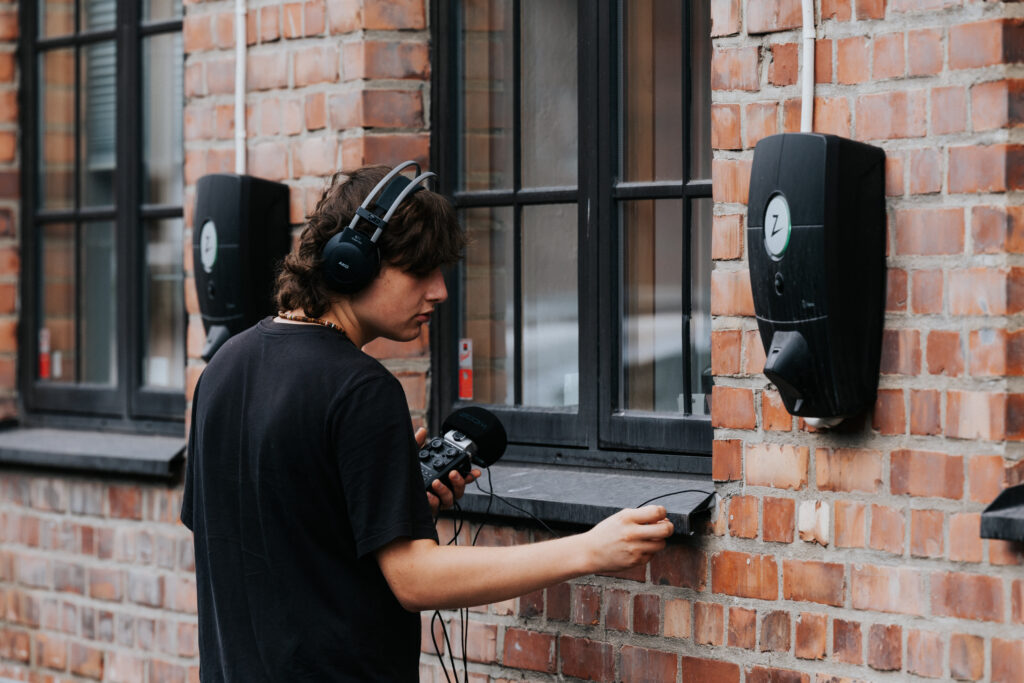
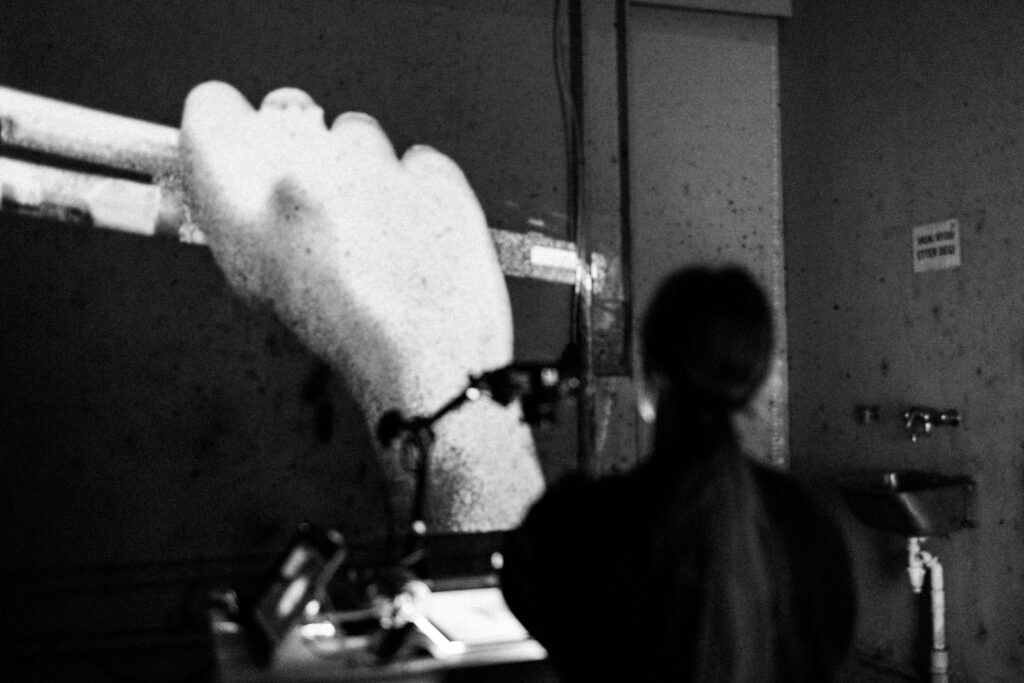
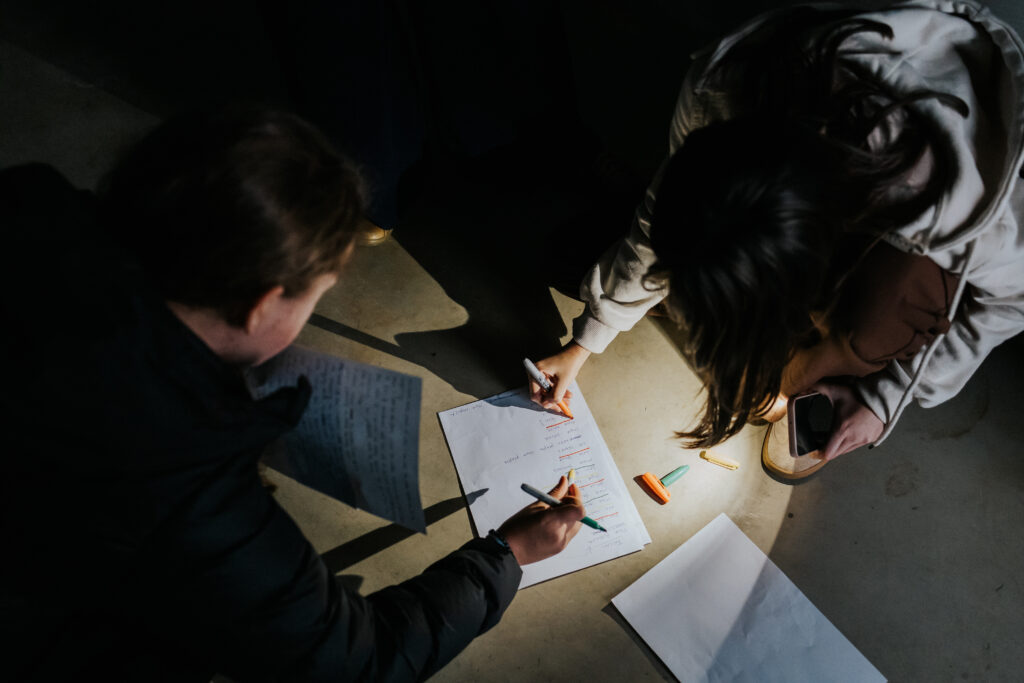
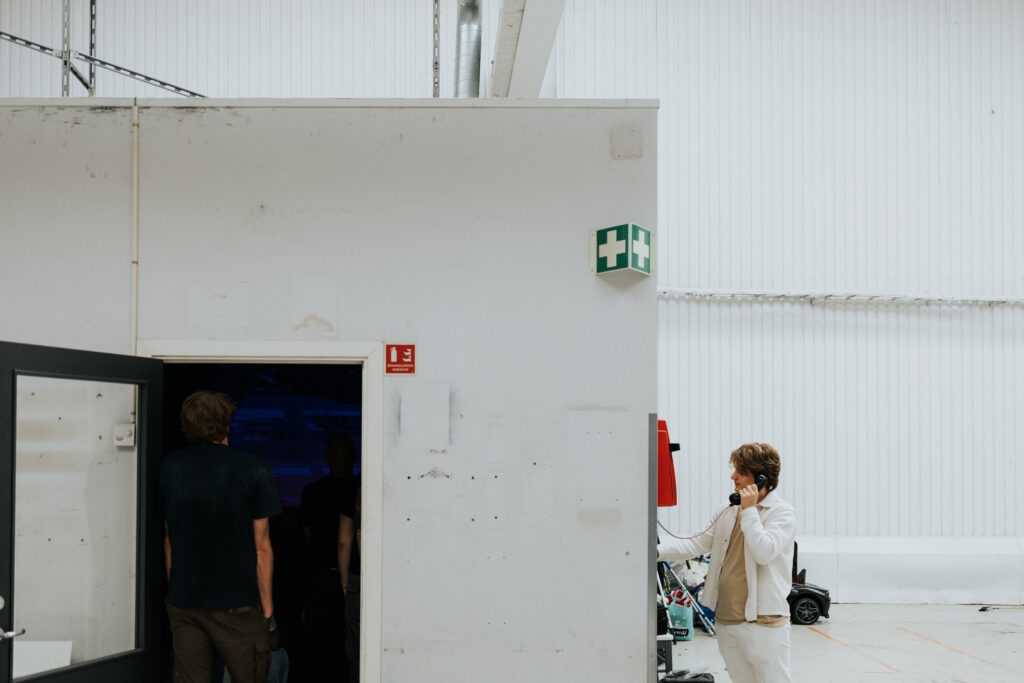
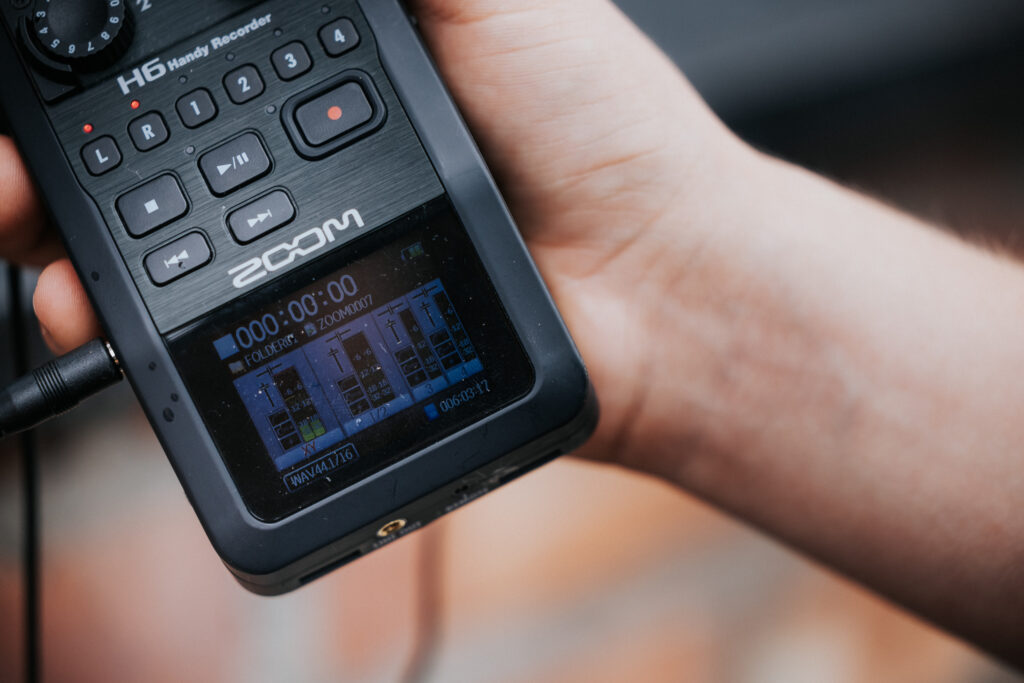
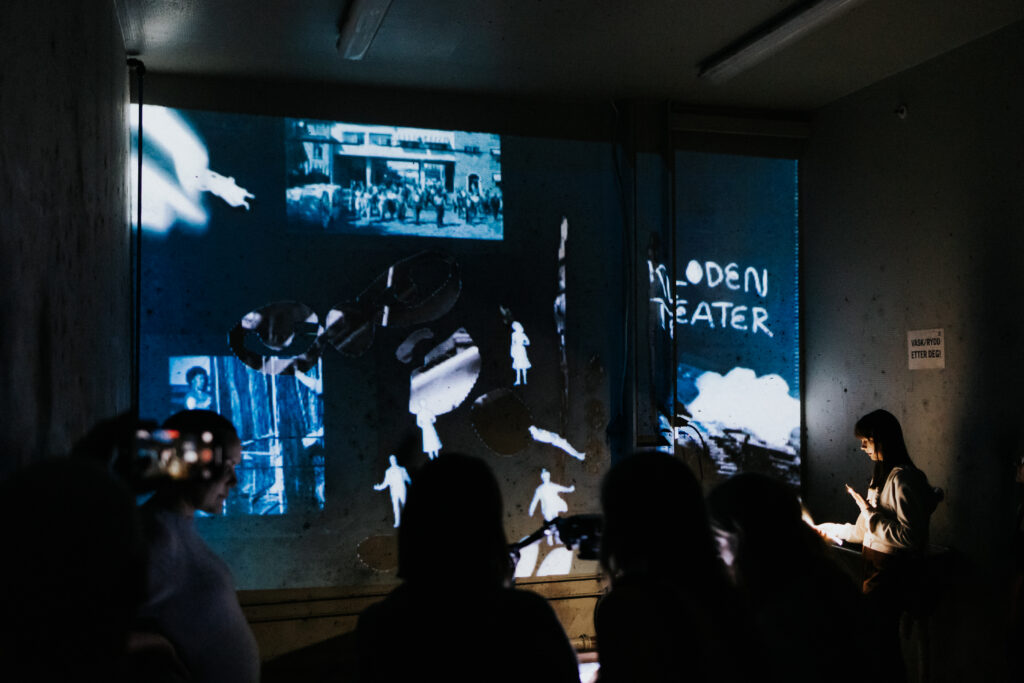
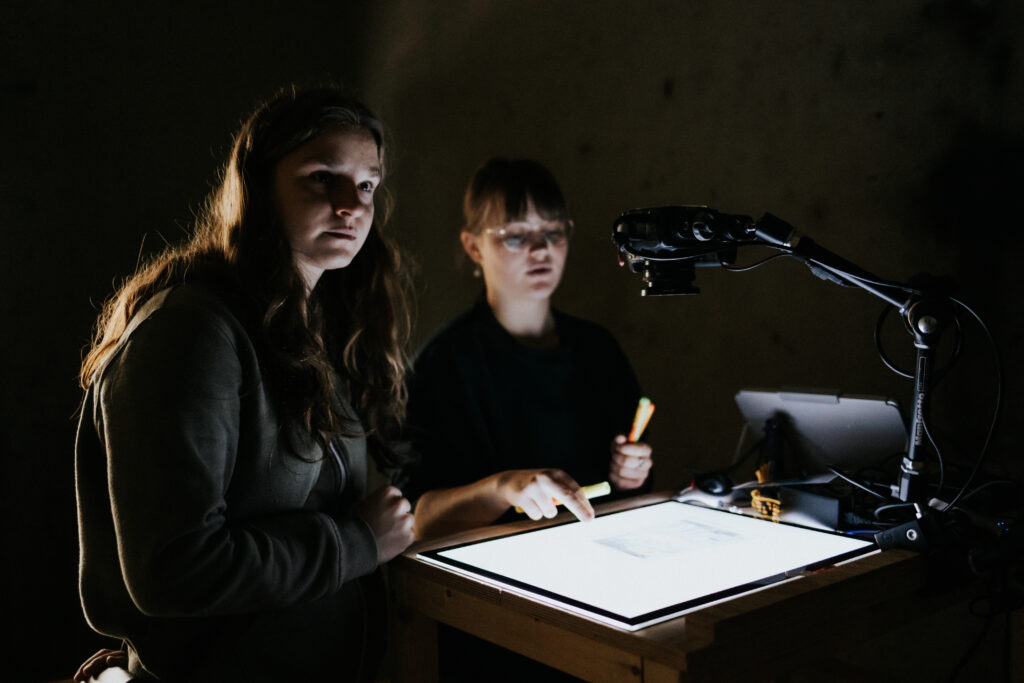
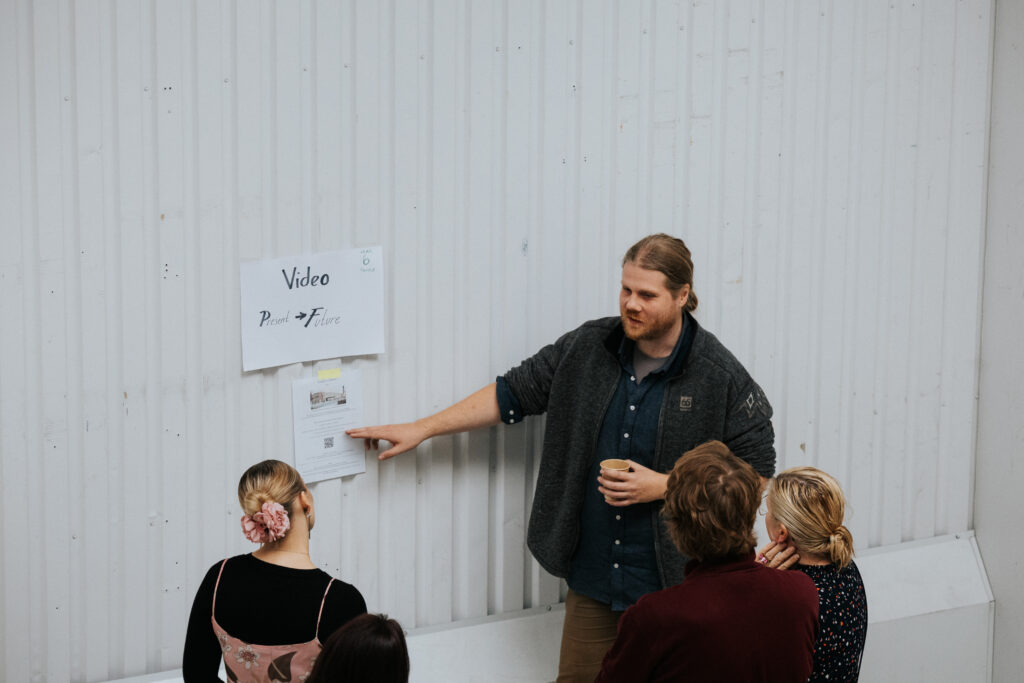
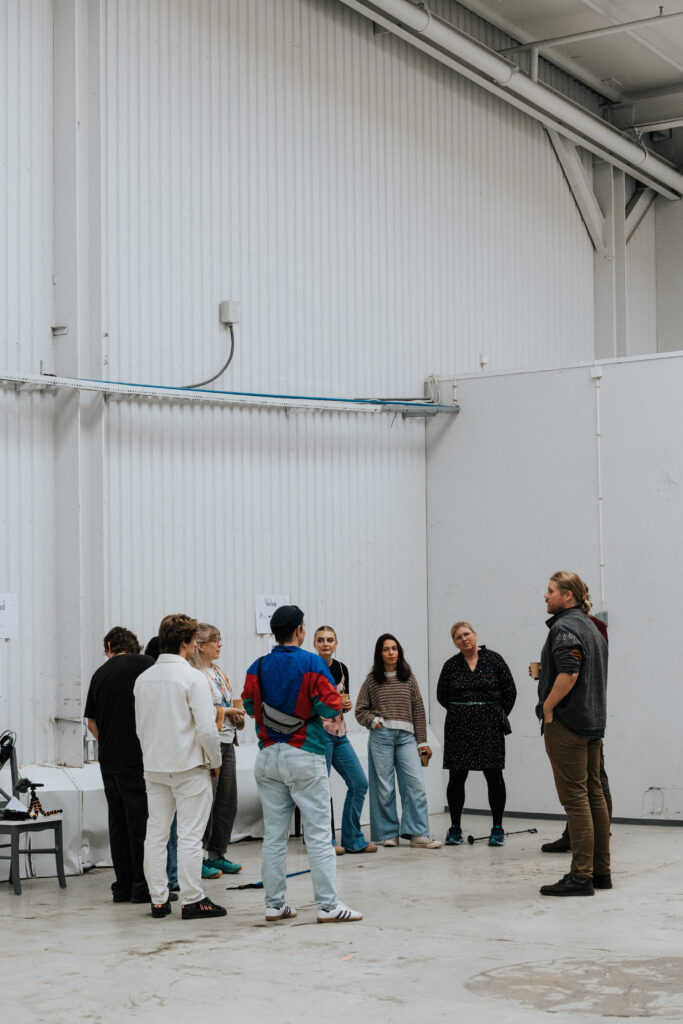
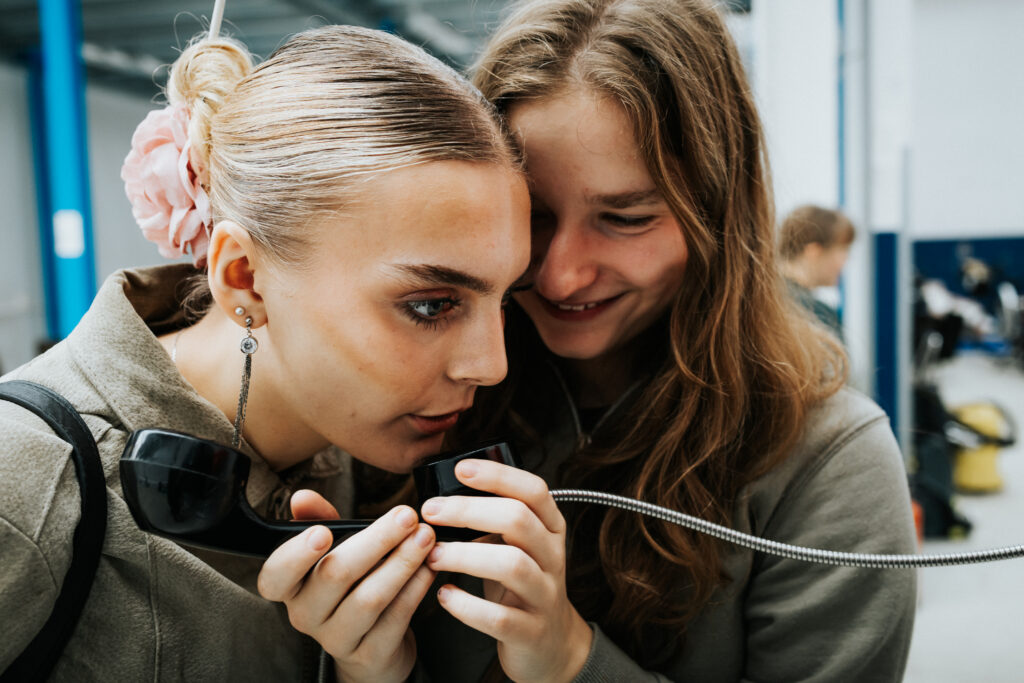
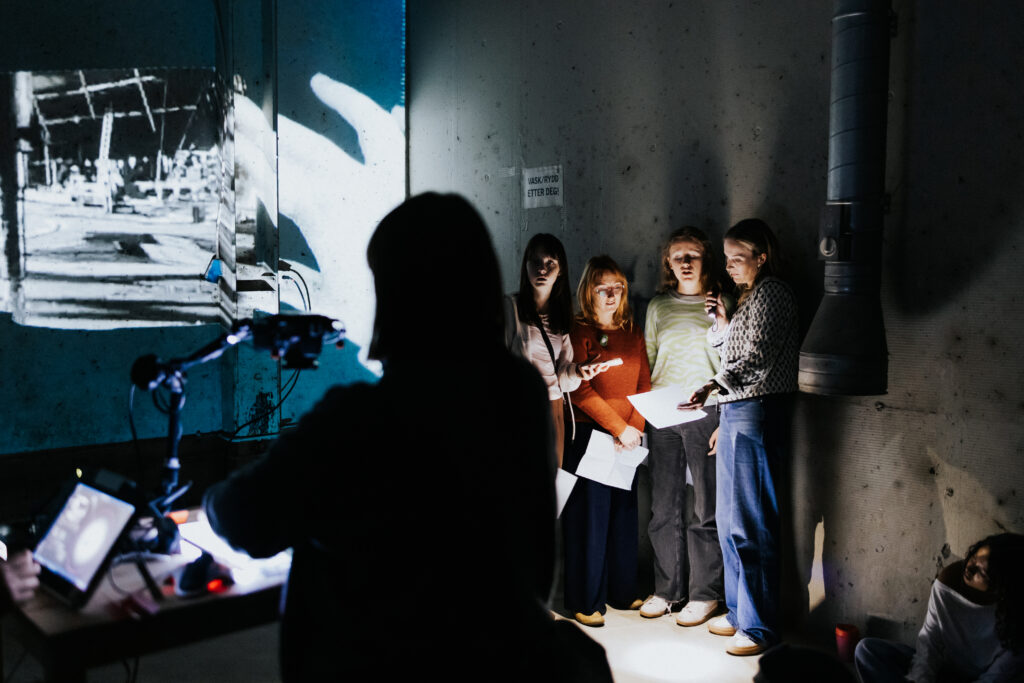
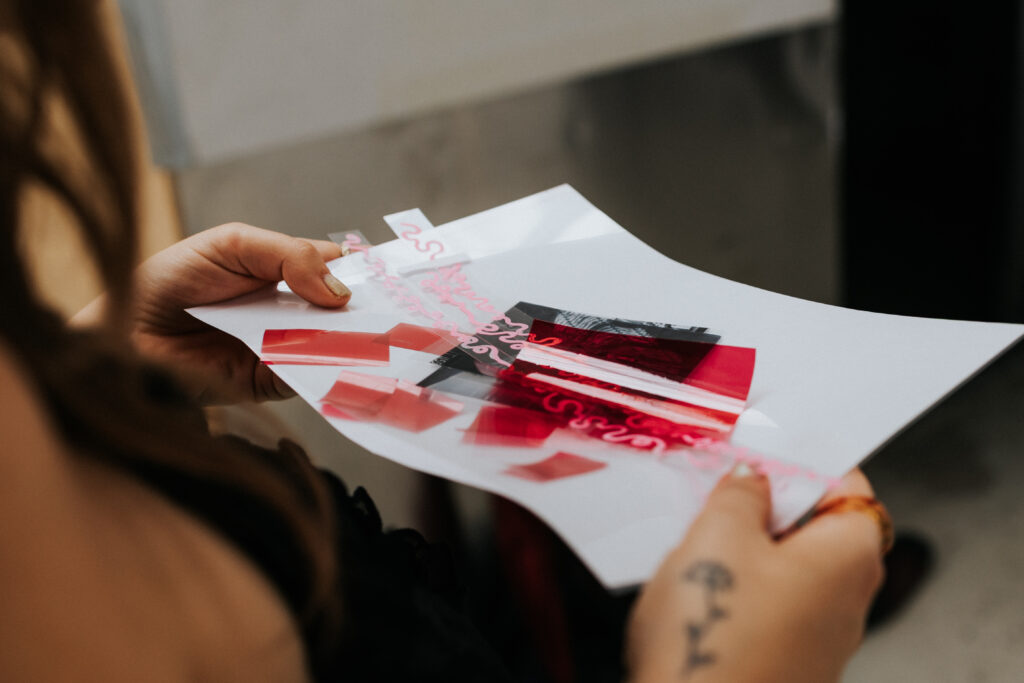
Artists Ingrid Solvik and Gard Gitlestad (Glød studios) led a large-scale, site-specific workshop in an old warehouse space. Participants explored the former cable factory’s role in communication – historically and symbolically.
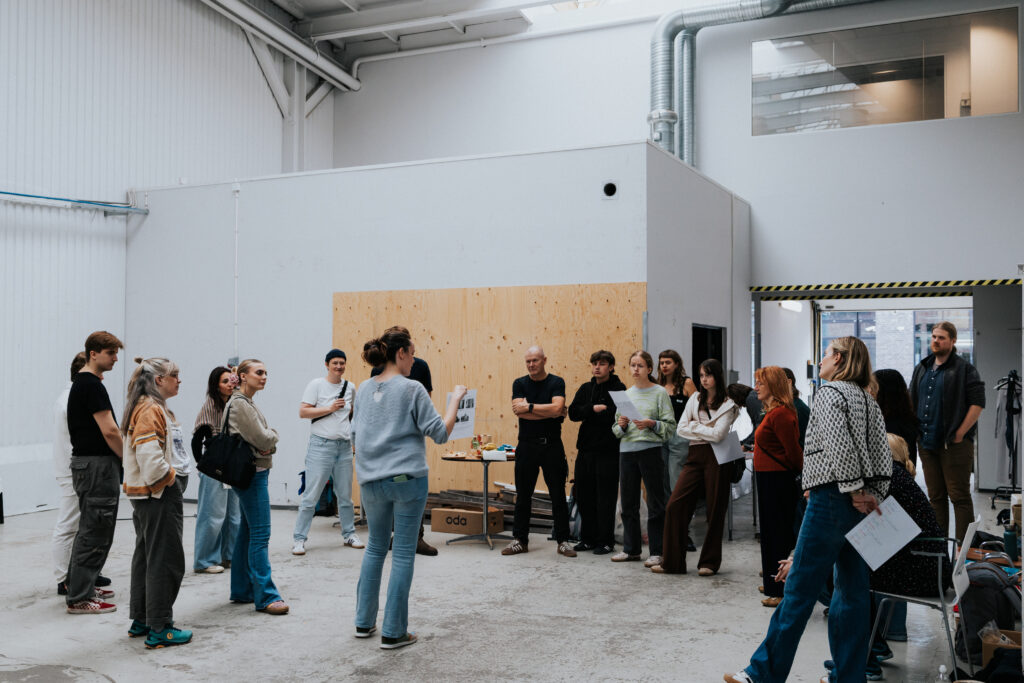
Working in groups, participants:
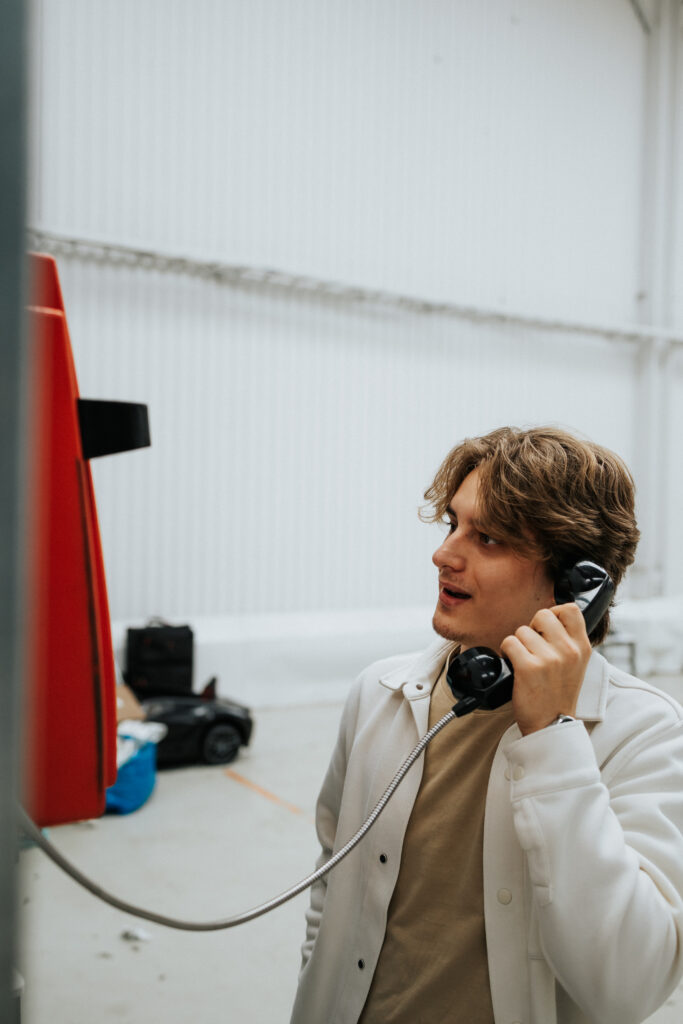
- Created monologues and visual performances from imagined perspectives in 1965
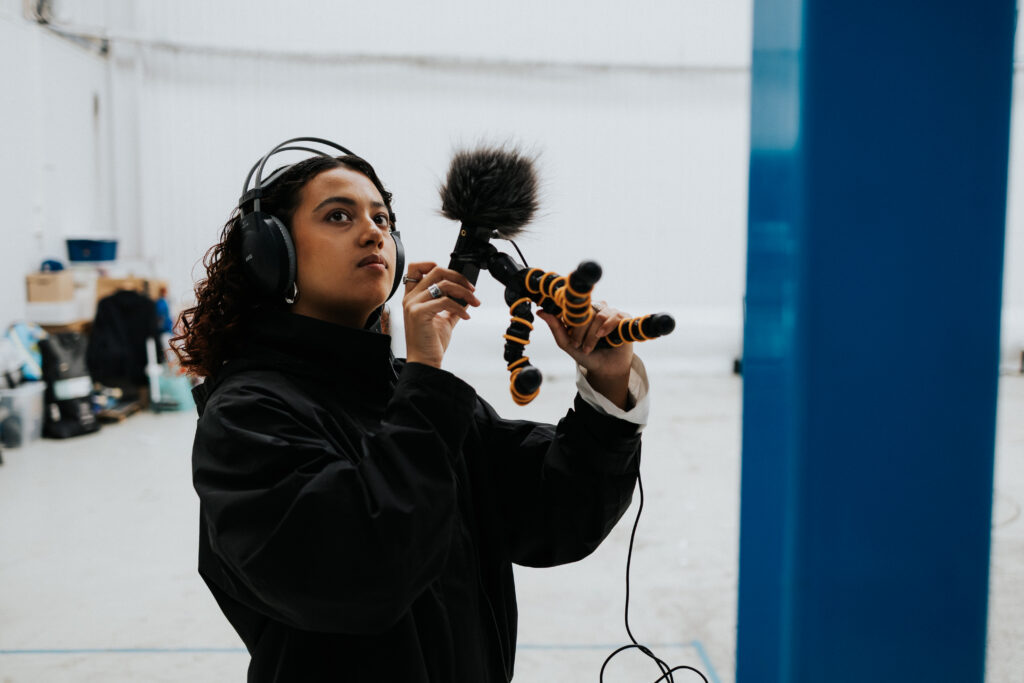
- Collected sounds and images from the present
- Formulated questions addressed to future audiences of Kloden Theatre
Without rehearsal, the groups presented layered performance works that surprised both participants and facilitators with their artistic quality.




The value of artistic risk
Inviting Glød studios involved a deliberate risk: the artists had limited prior experience facilitating youth workshops. The result, however, demonstrated the value of trusting artistic intuition and opening the project to new voices.
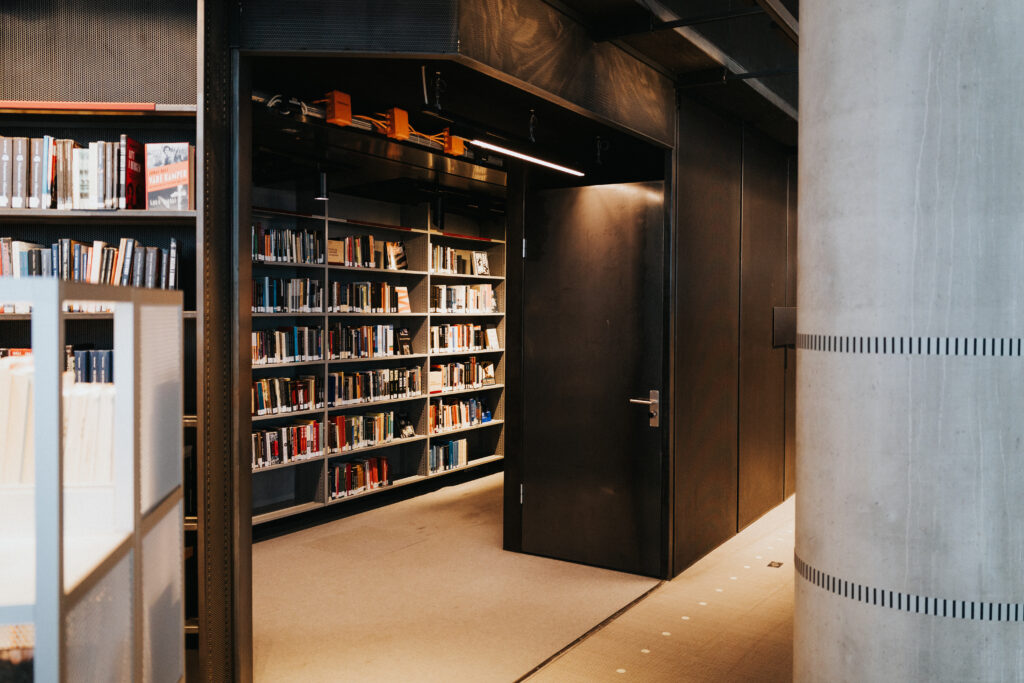
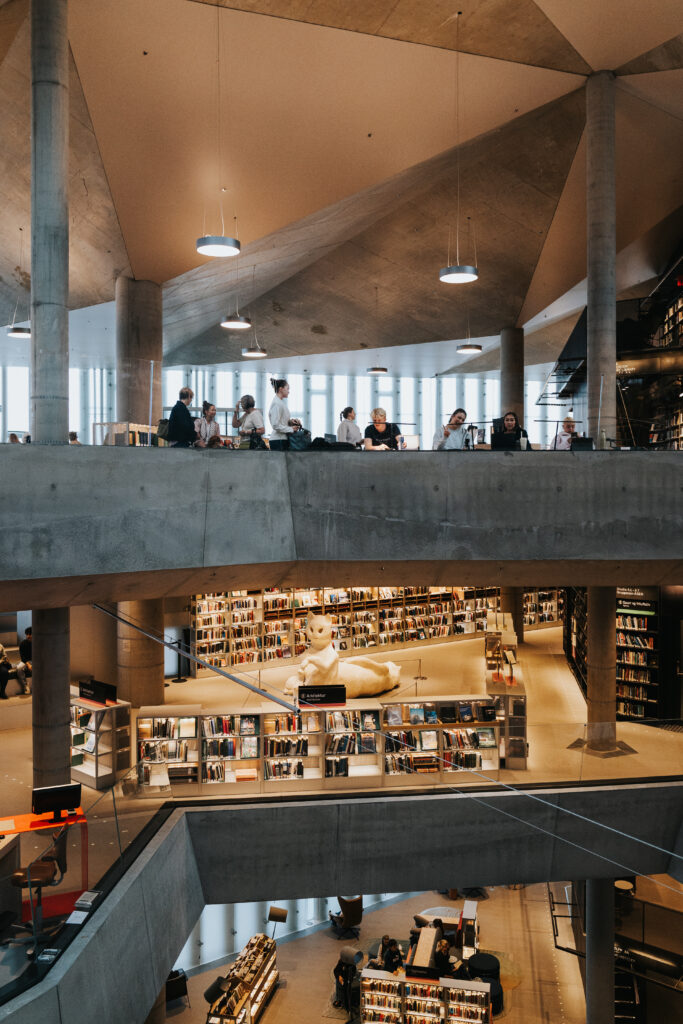
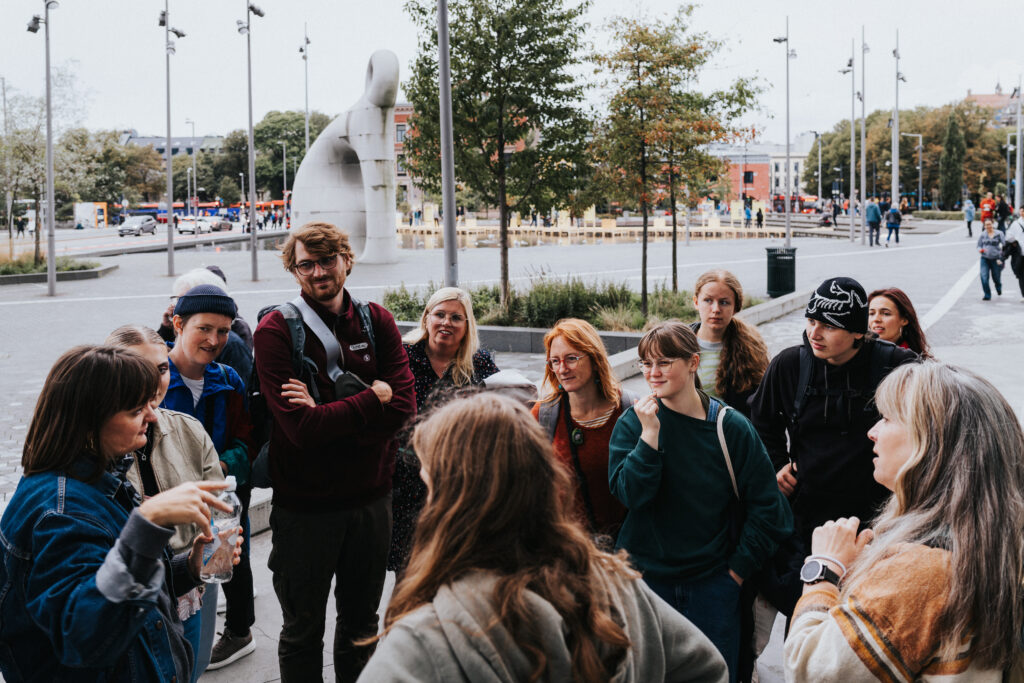
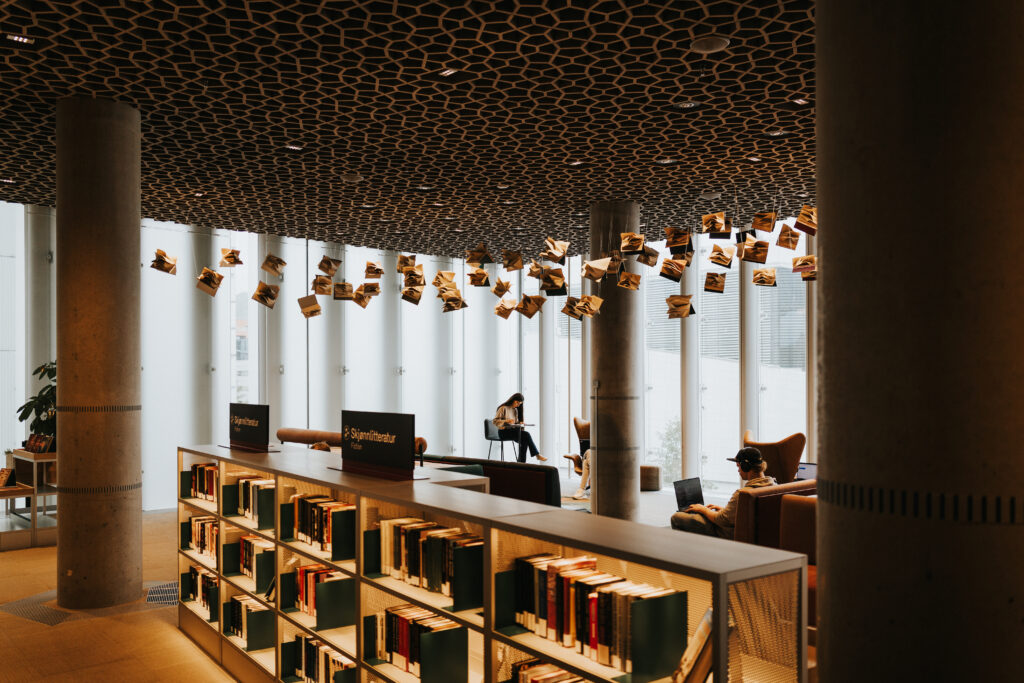
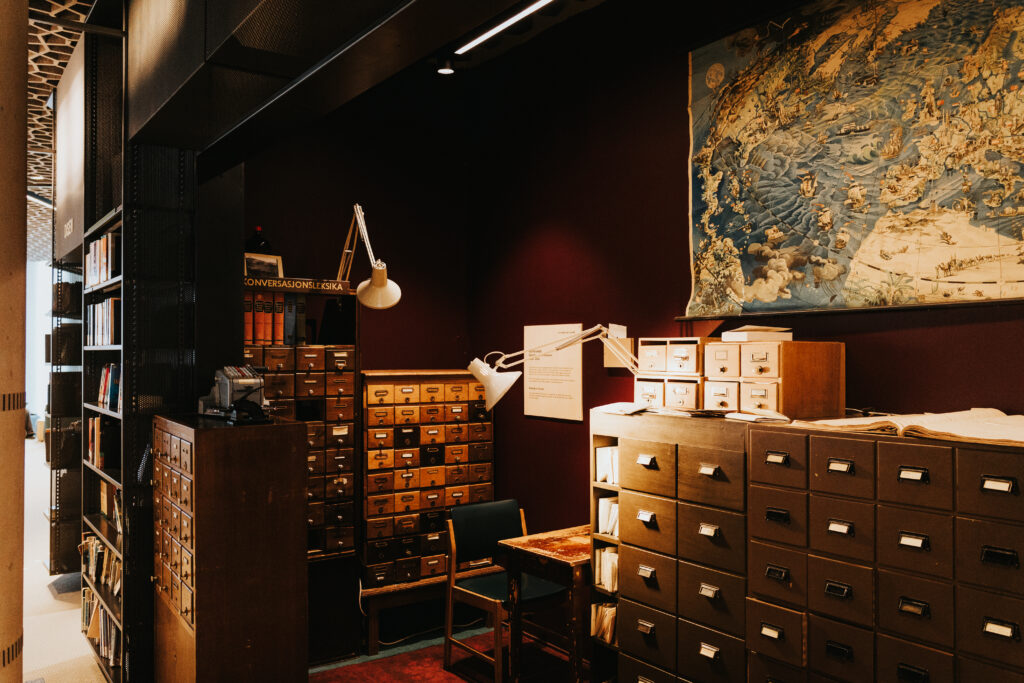
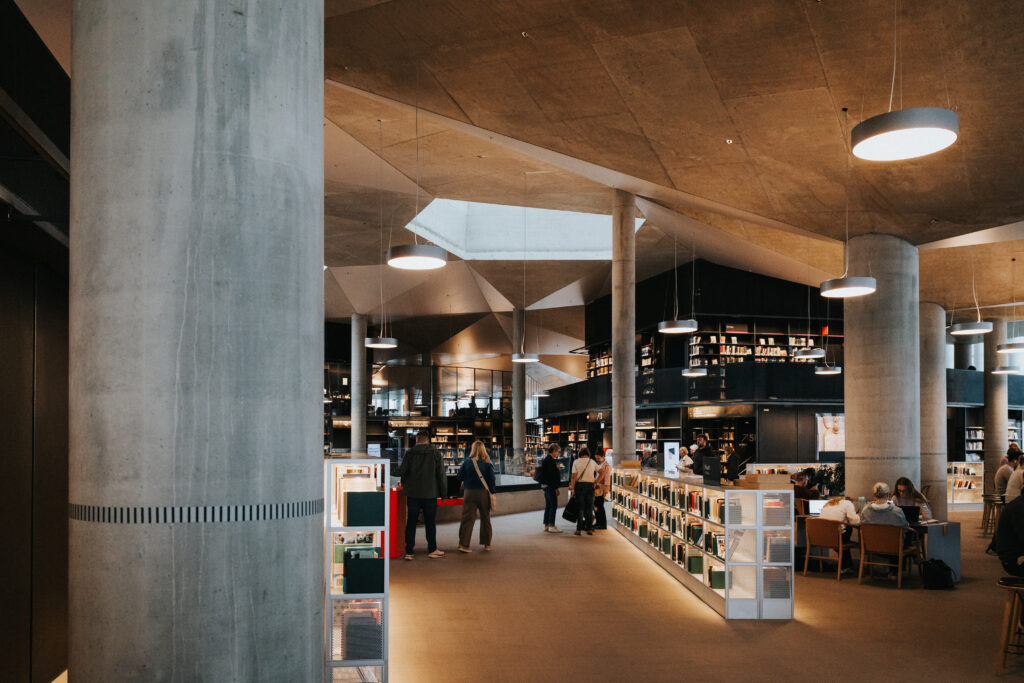
Deichman Bjørvika: the library as a third place
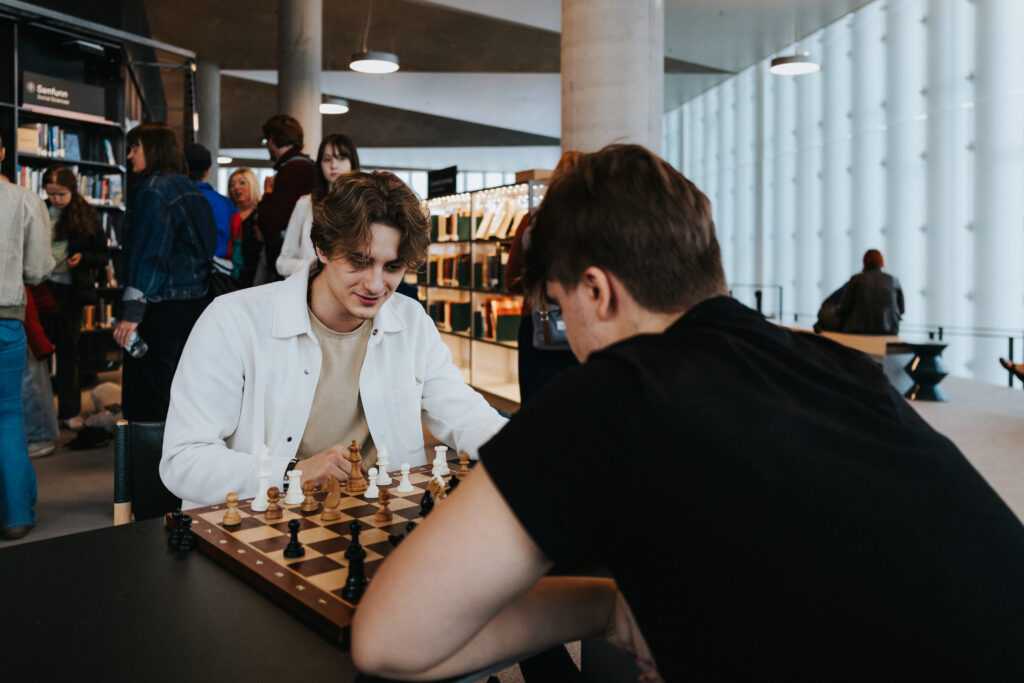
In the afternoon, the group visited Oslo’s main library – widely regarded as one of the city’s most successful contemporary third places.
Participants were introduced to the Future Library project, where books written today will remain unread for 100 years, echoing the camp’s ongoing reflection on time, legacy and care.

Evenings beyond the programme
Unstructured time in the afternoons and evenings turned out to be crucial. Young participants chose to explore thrift stores together and spend time without adult facilitation – a reminder that third places often emerge between planned activities.
Day 3: City landscapes – from fjord to river
The final day shifted fully outdoors, using a digital workshop format to guide reflection while moving through the city.
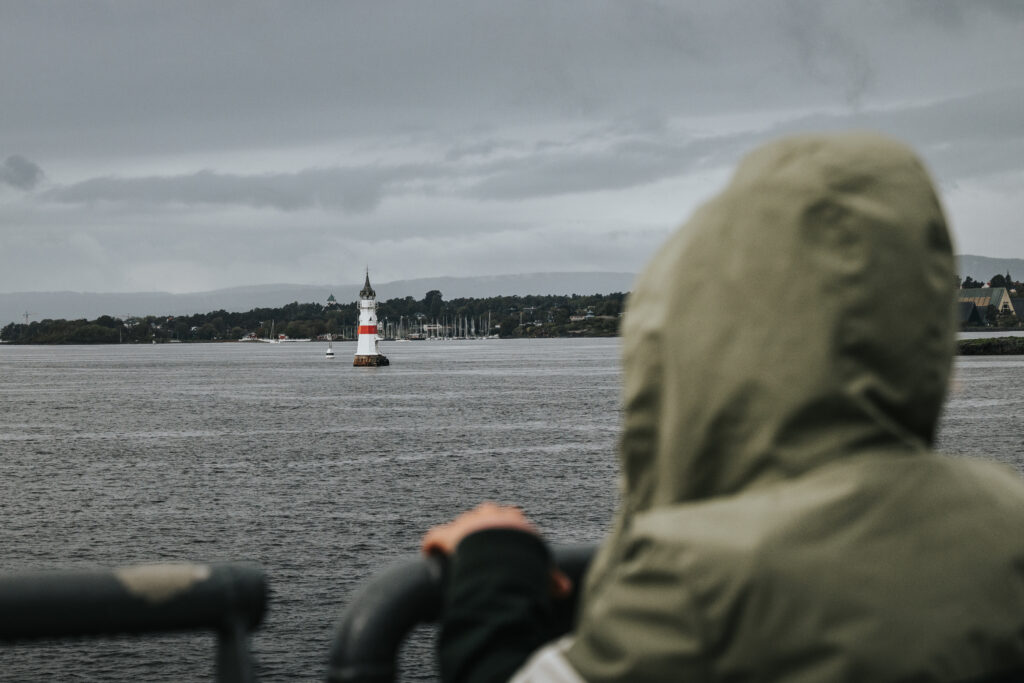
Oslofjord: water and identity
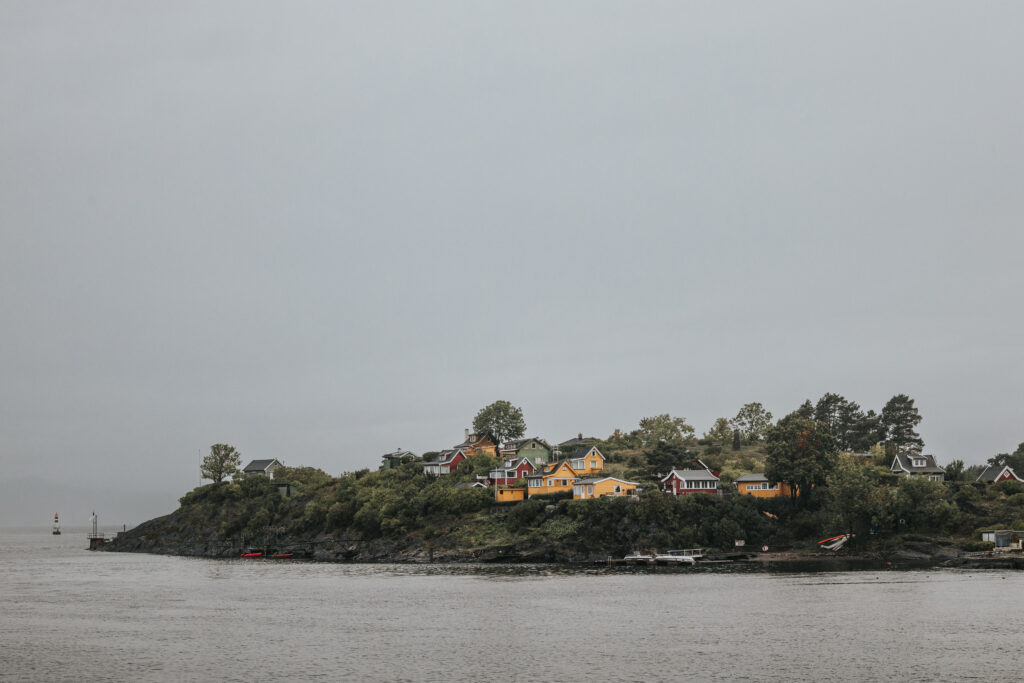
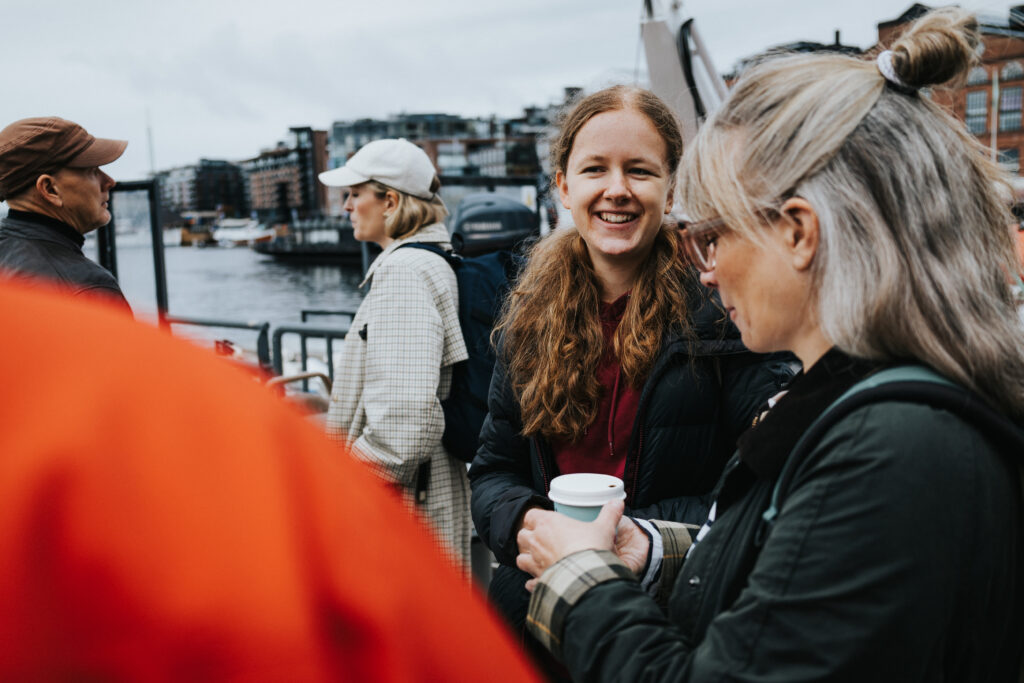
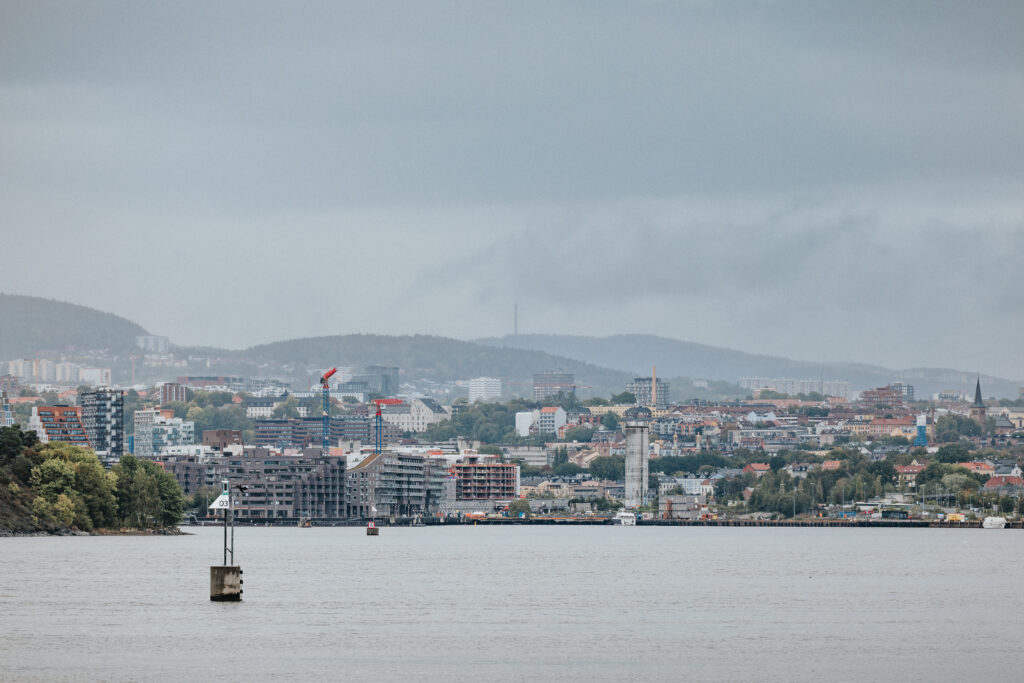
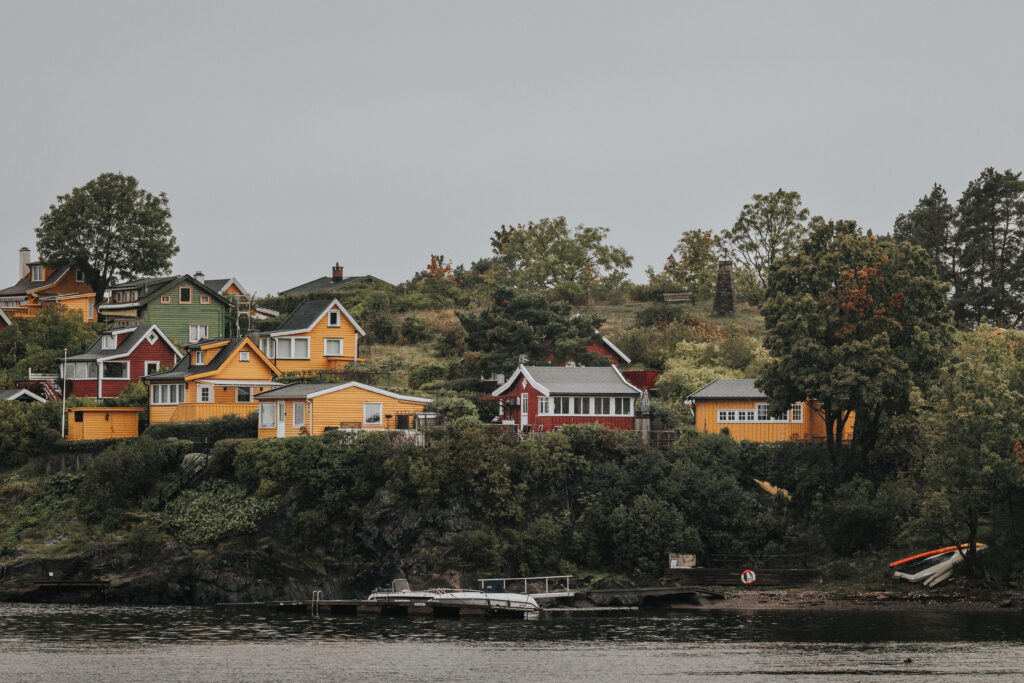
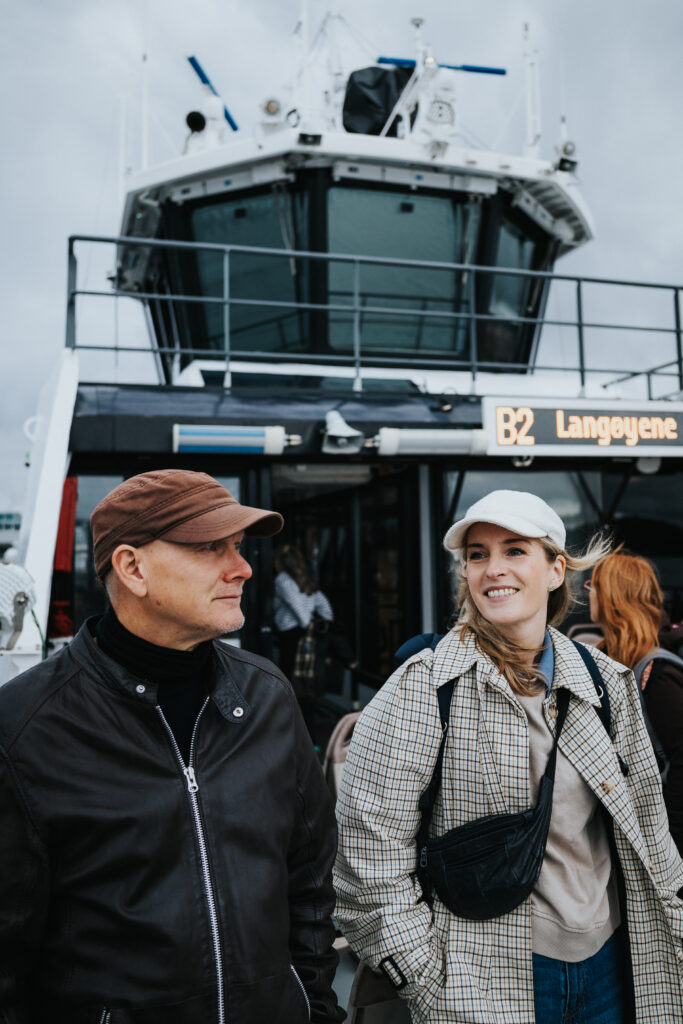
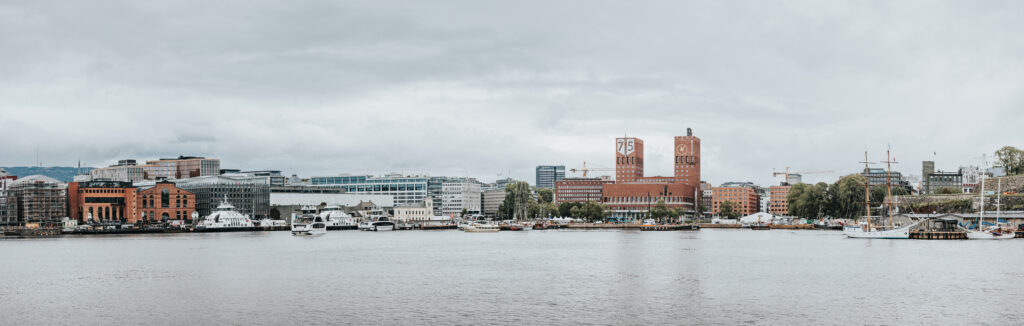
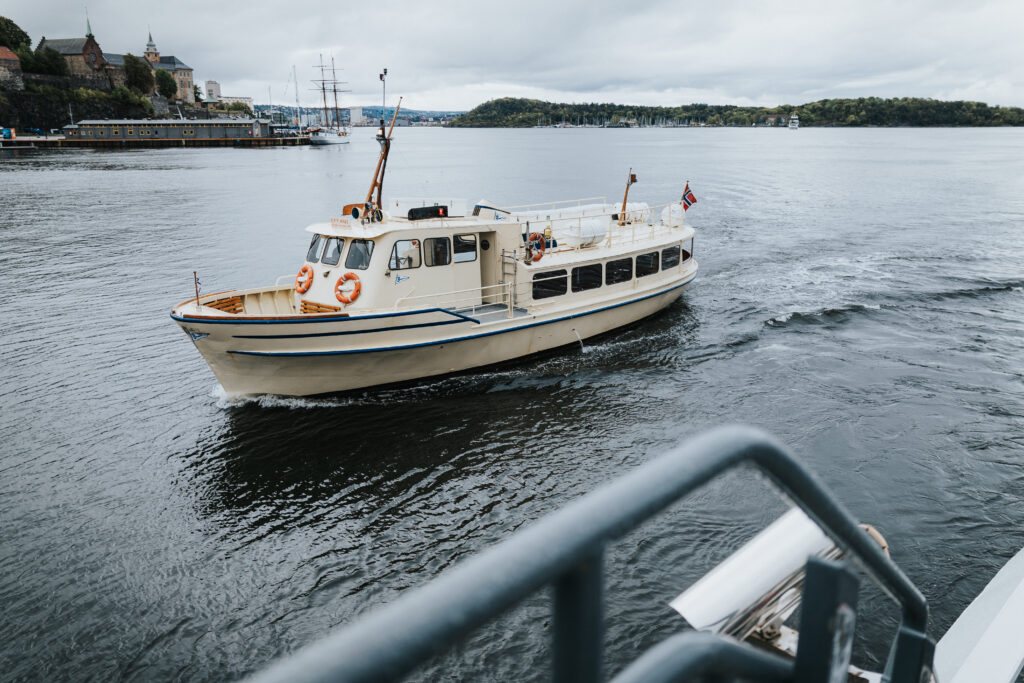
A boat trip on the fjord highlighted water as a shared third place and a key element of Oslo’s urban identity. Comparisons with Stuttgart and Hradec Králové revealed how access to water shapes young people’s sense of belonging.

Vigelandsparken: a park across generations
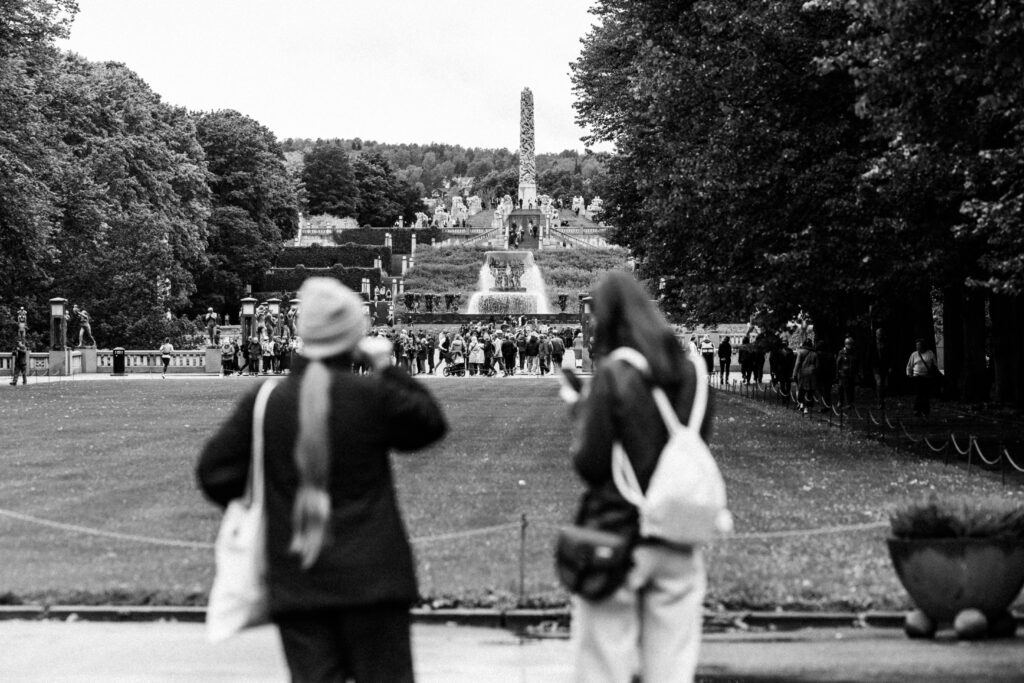
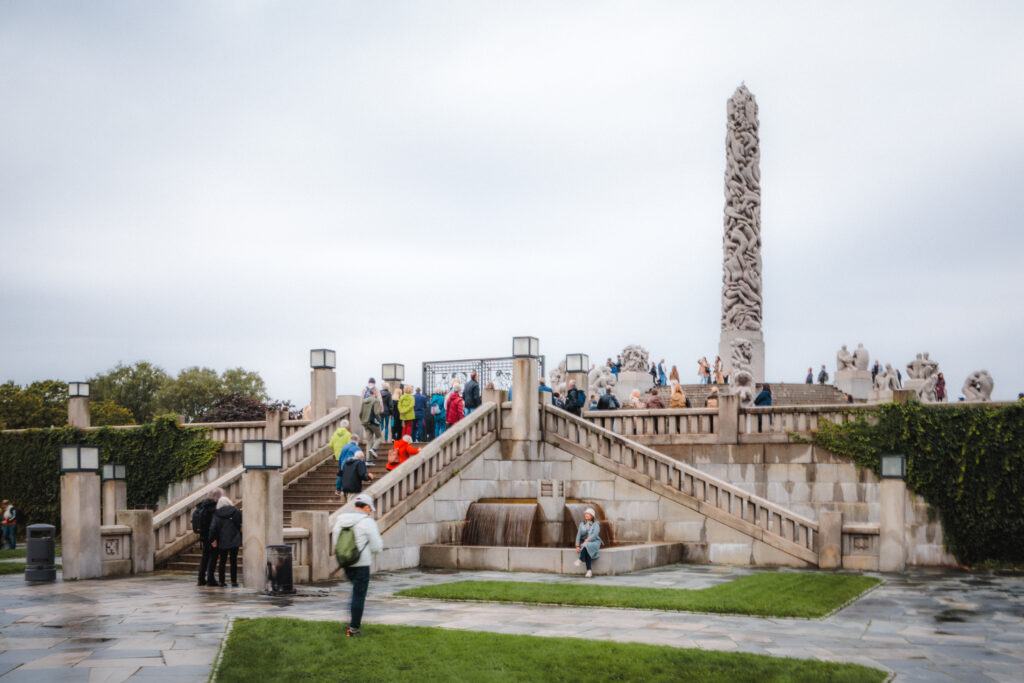
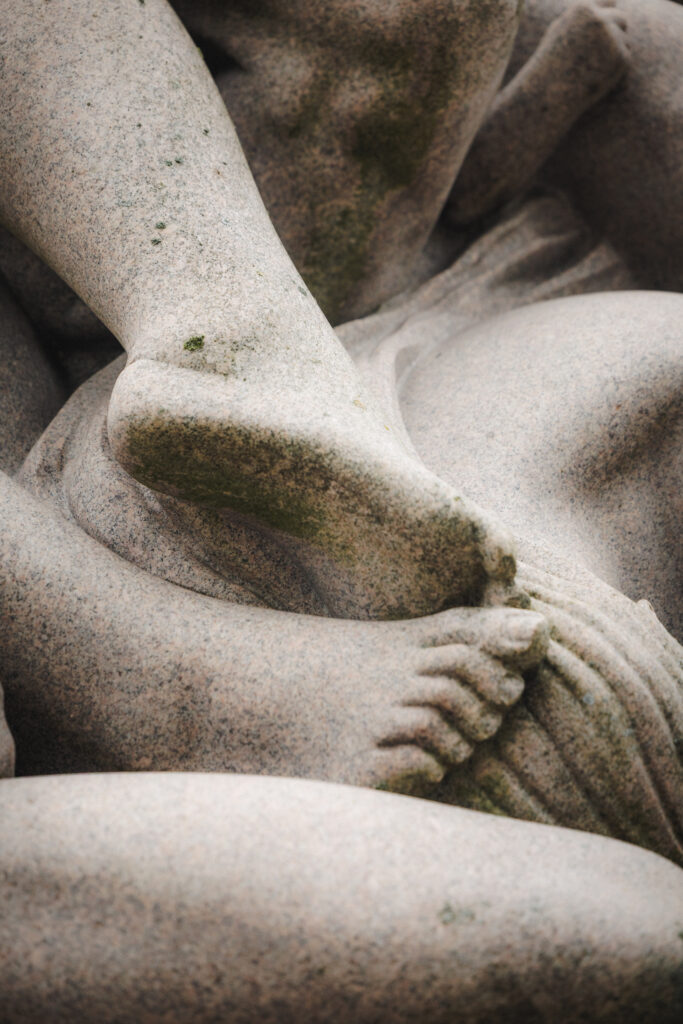
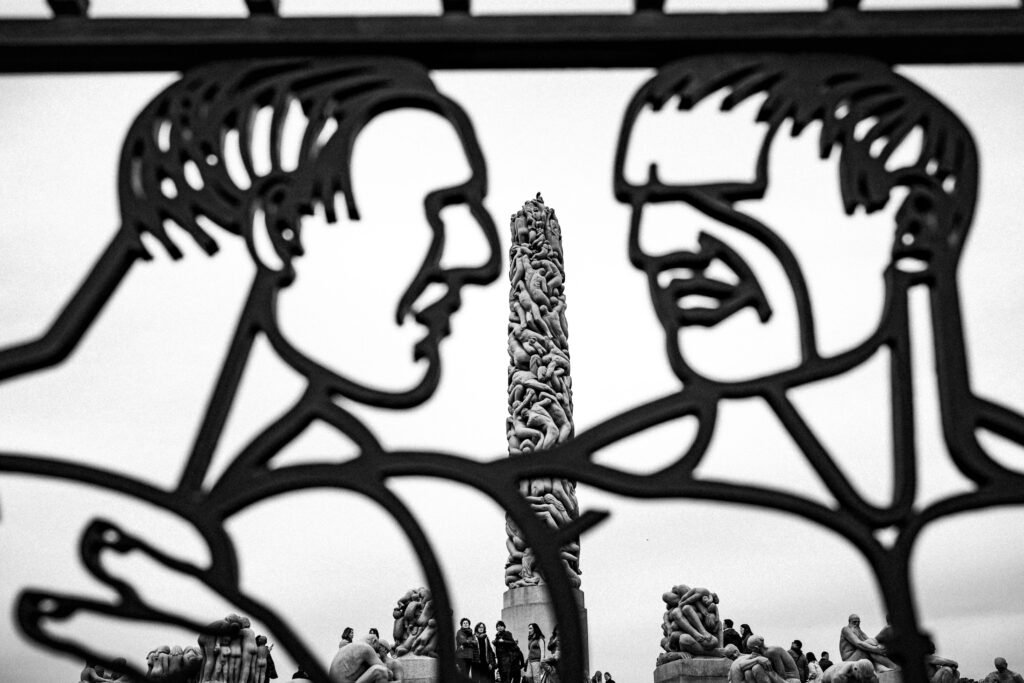
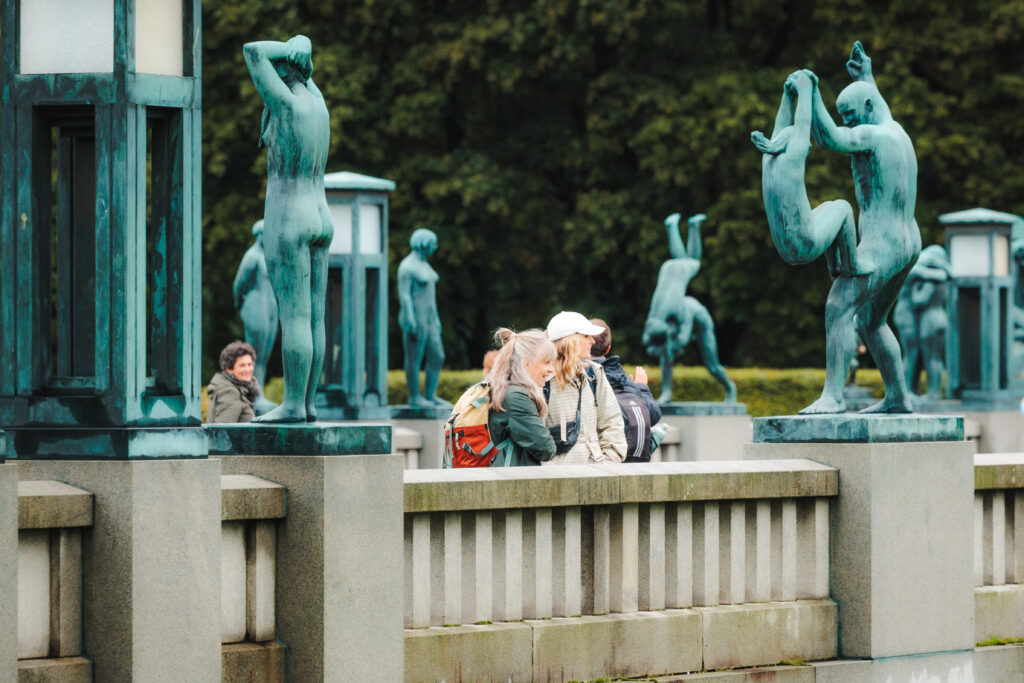
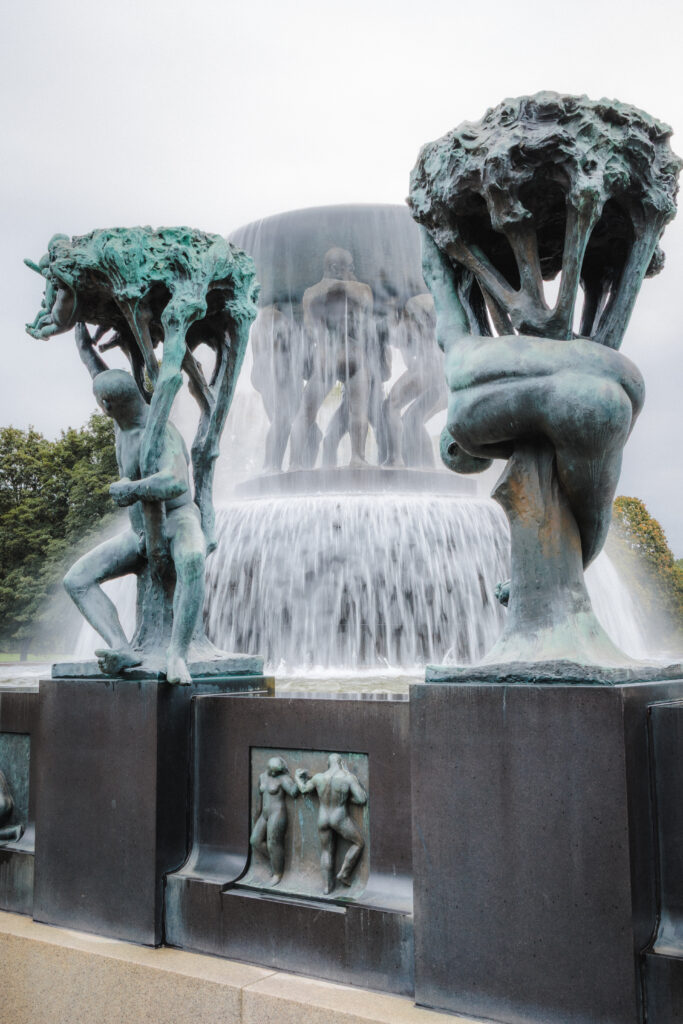
In Frognerparken/Vigelandsparken, participants explored how design, art and openness allow a place to remain meaningful across ages and life stages. Reflections suggested that time spent in a place is crucial for deeper understanding – something the group wished they had more of.


Akerselva: from industry to lifeline
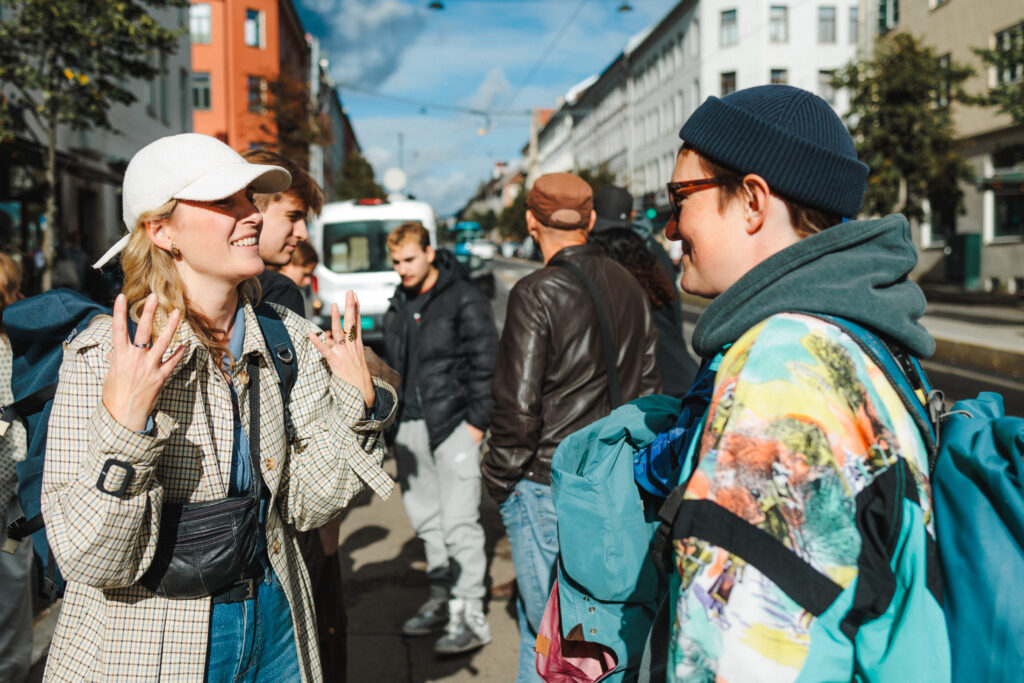
Walking along Akerselva to Blå Sunday Market, participants experienced a more informal, urban third place – shaped by movement, sound and everyday use rather than monumental design.



The final wrap-up: leaving traces
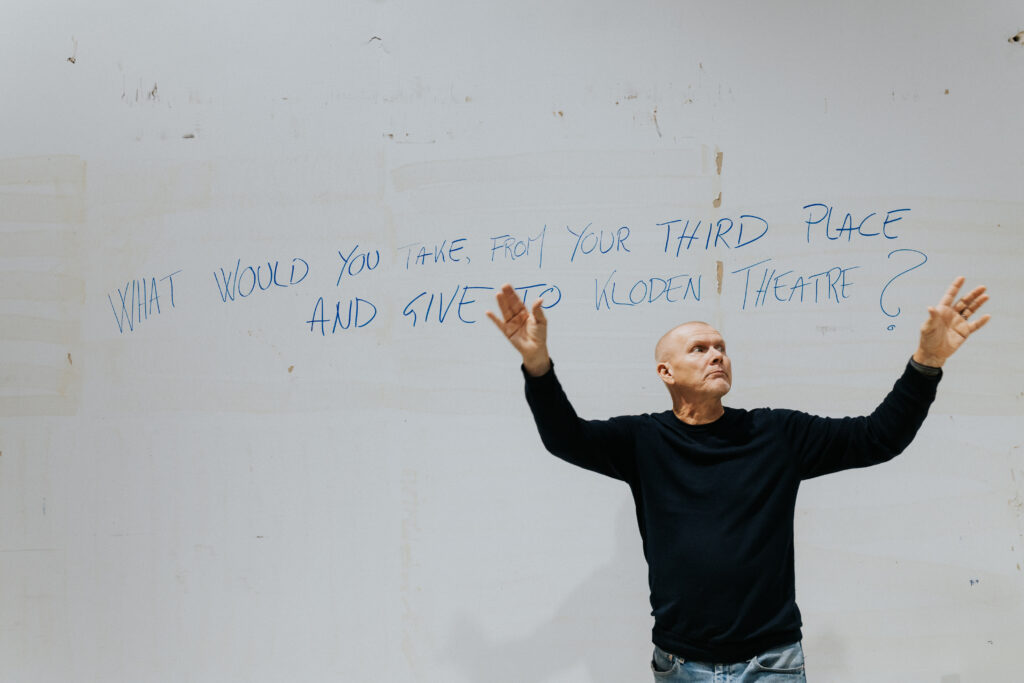
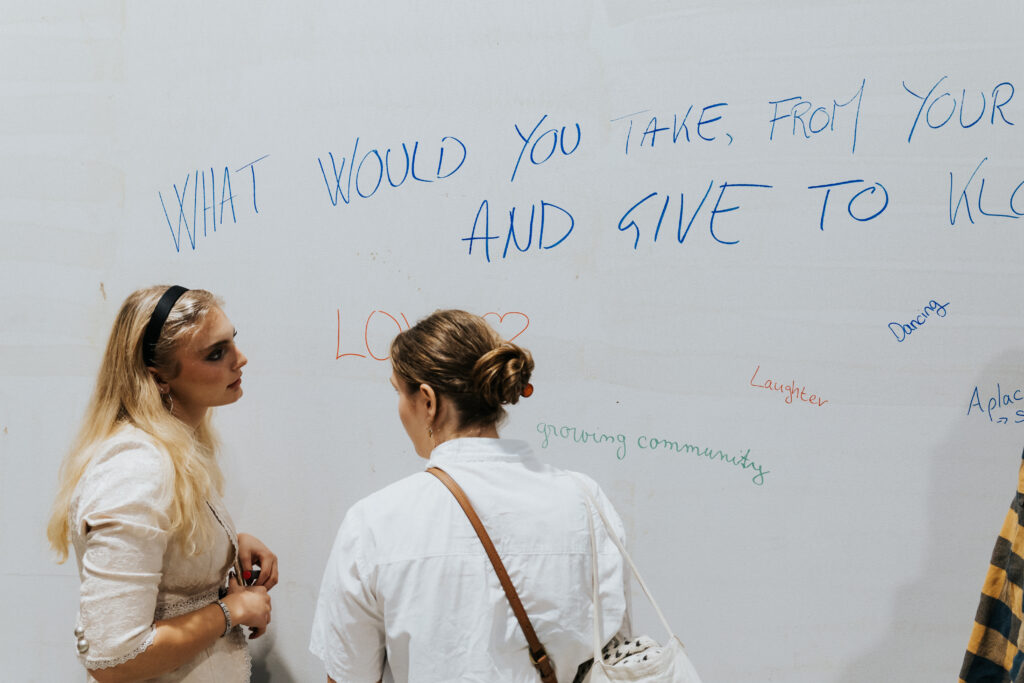
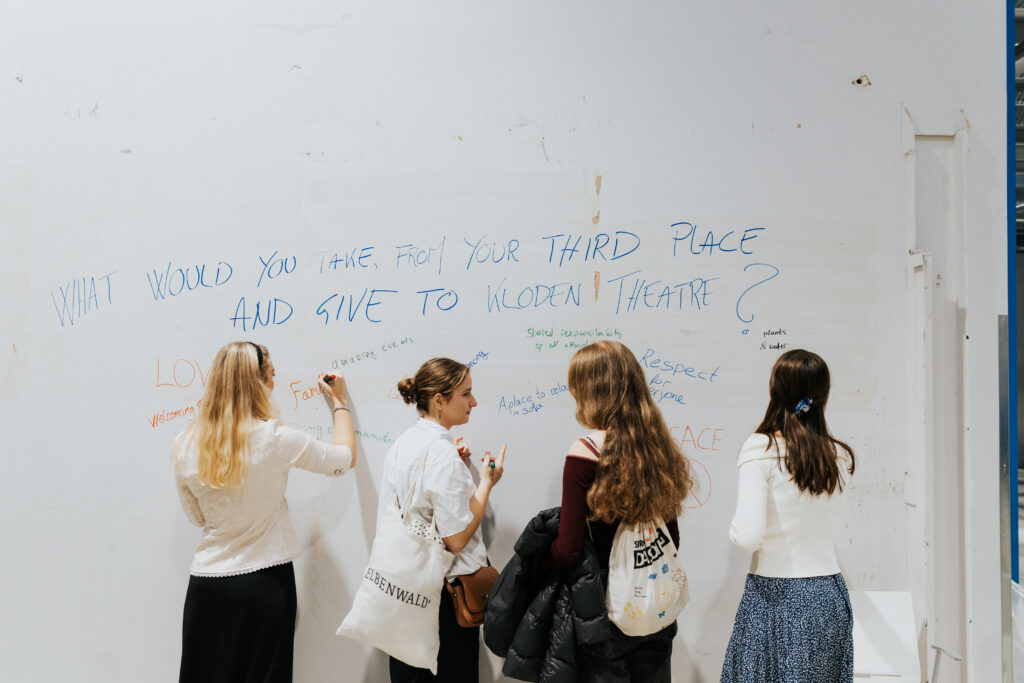
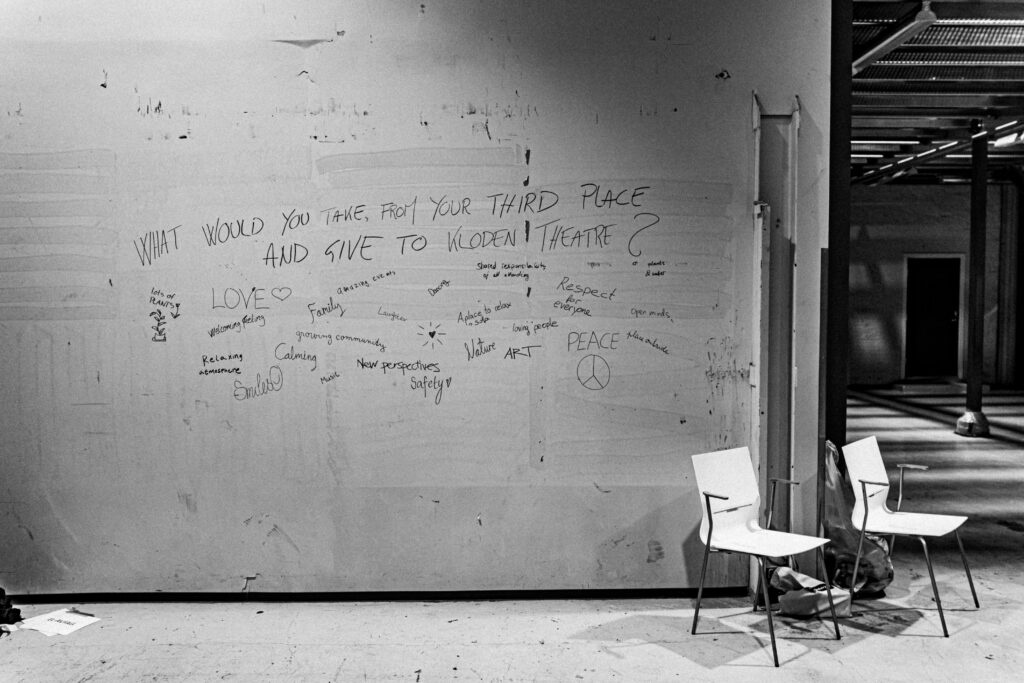
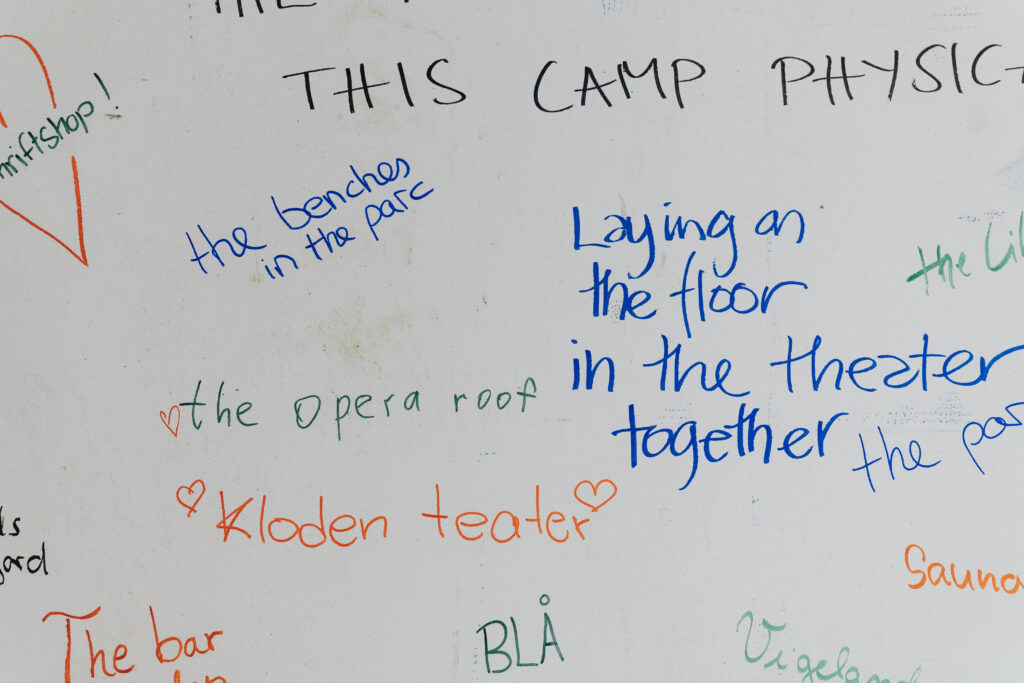
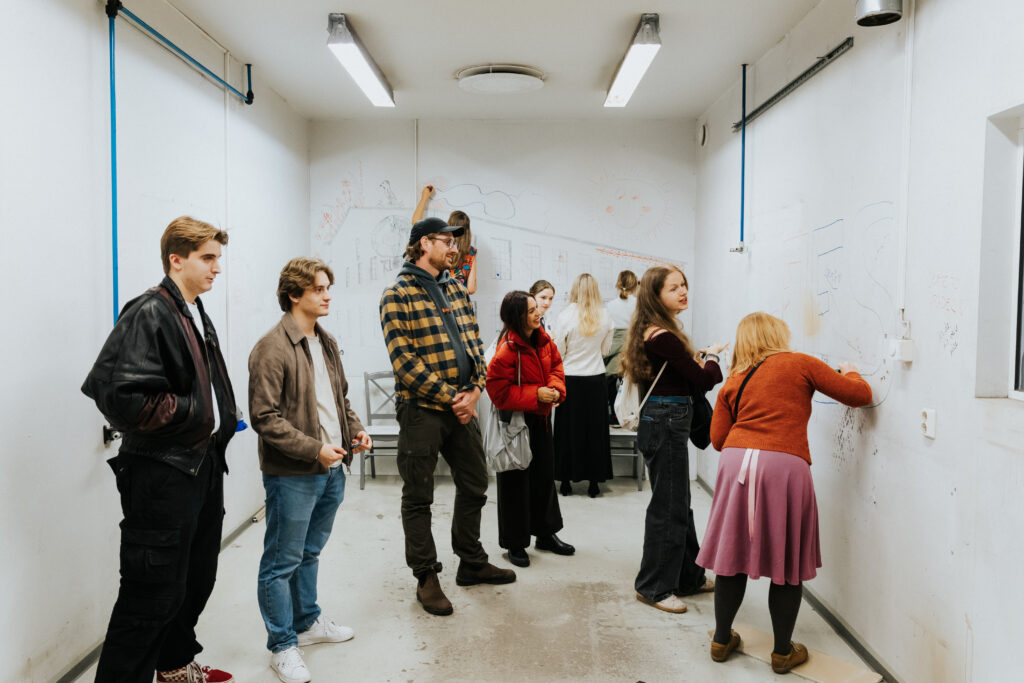
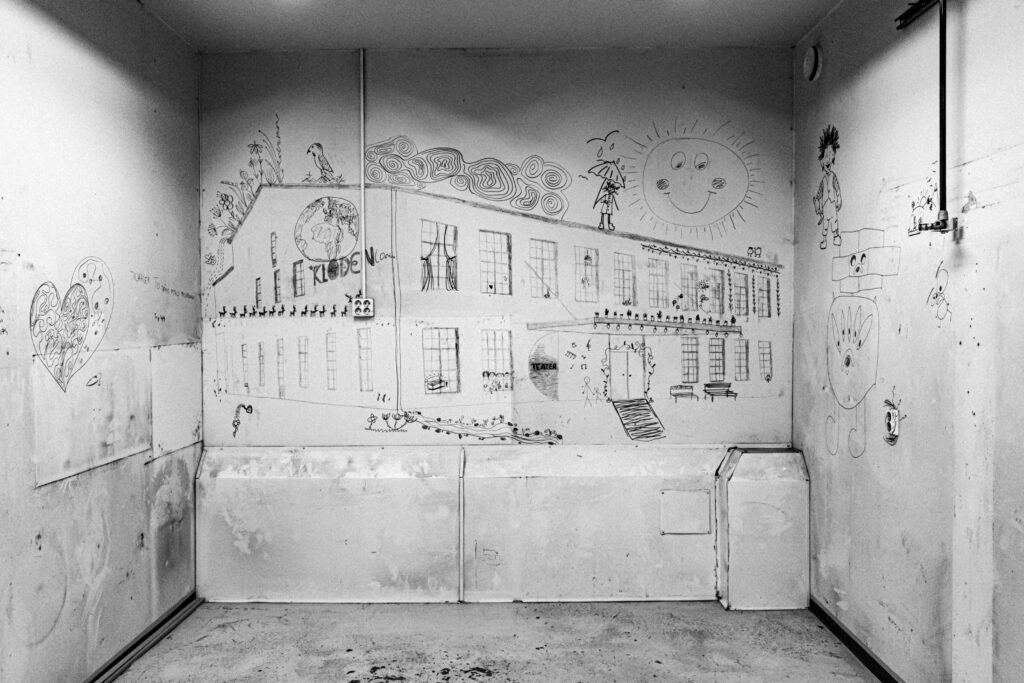
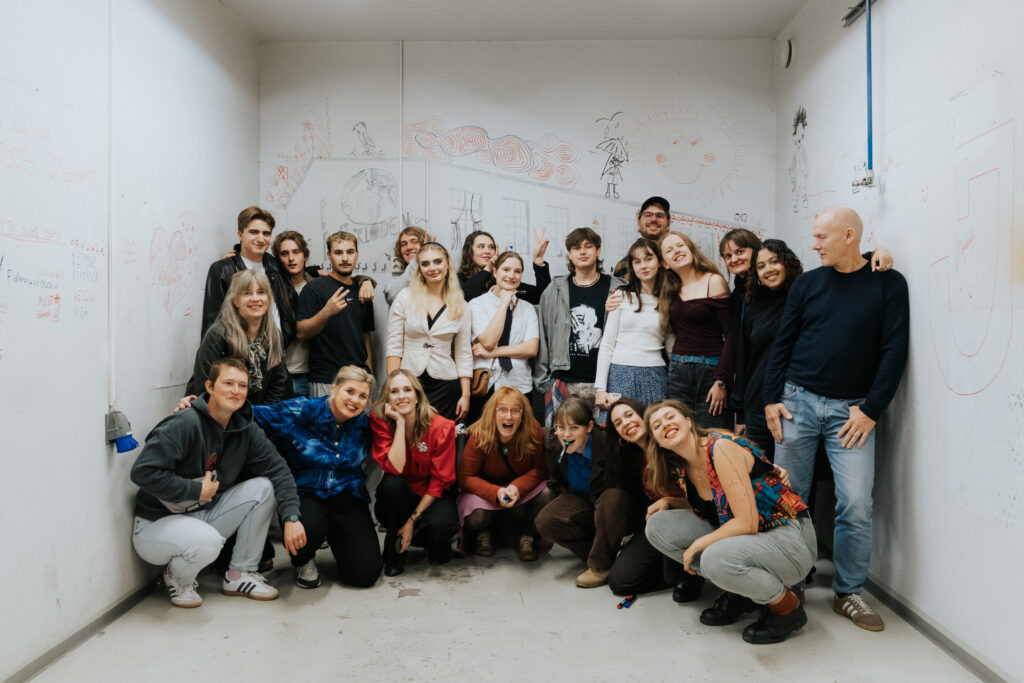
Back at Kloden Theatre, participants were invited to leave written and drawn traces directly on the walls – a final interaction with a building’s interior about to be demolished.
What began as an individual task became a collective act, connecting this camp with earlier 3Place gatherings. These markings will remain embedded in the future theatre as an invisible layer of memory.
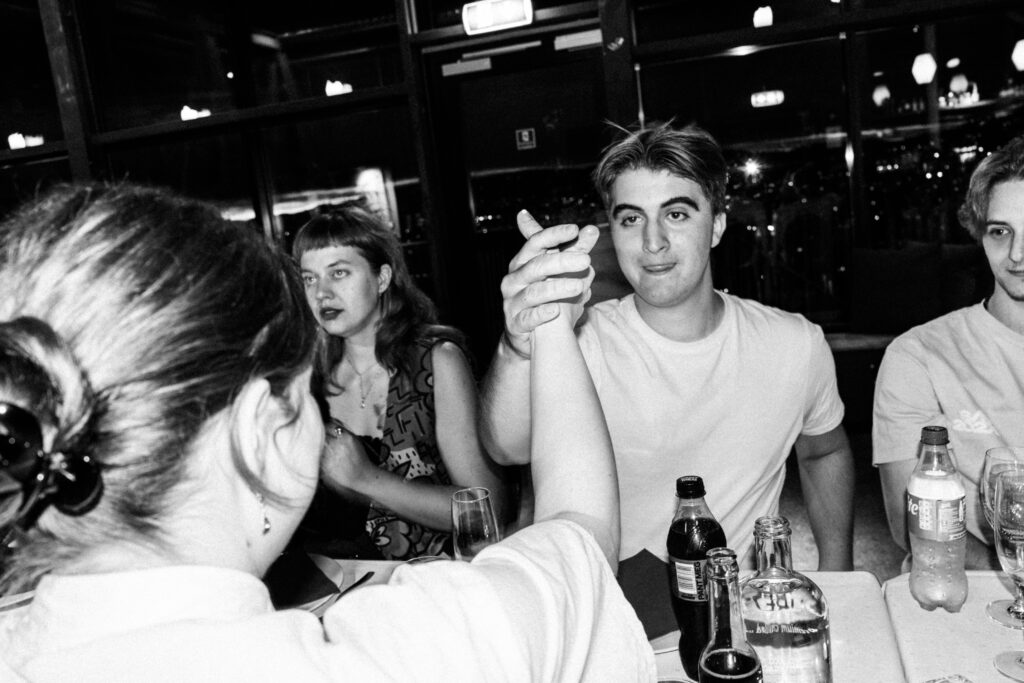
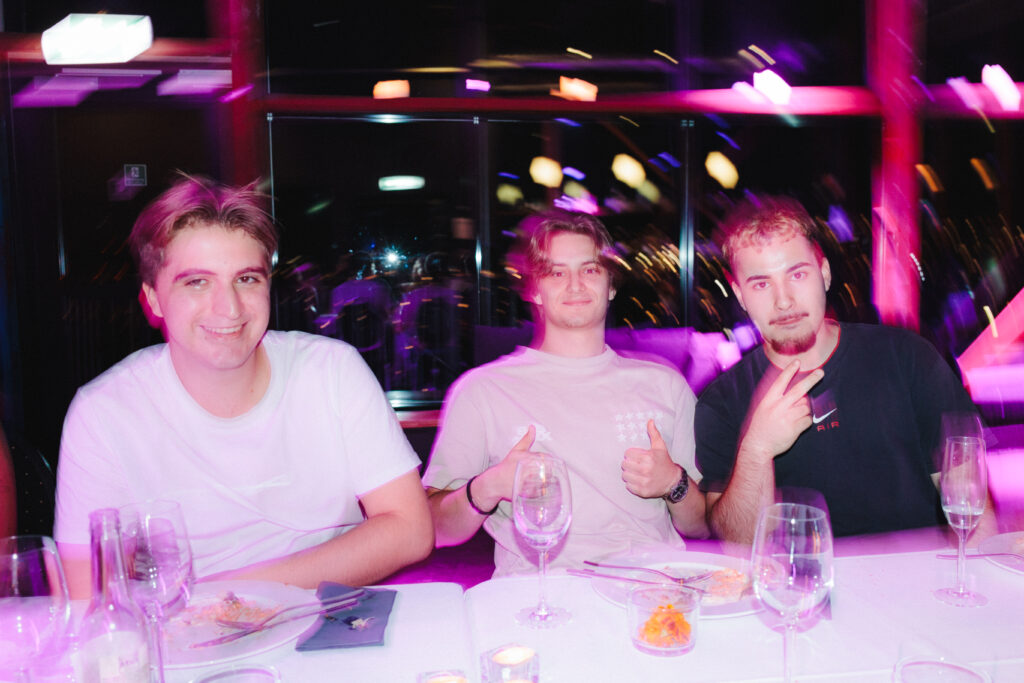
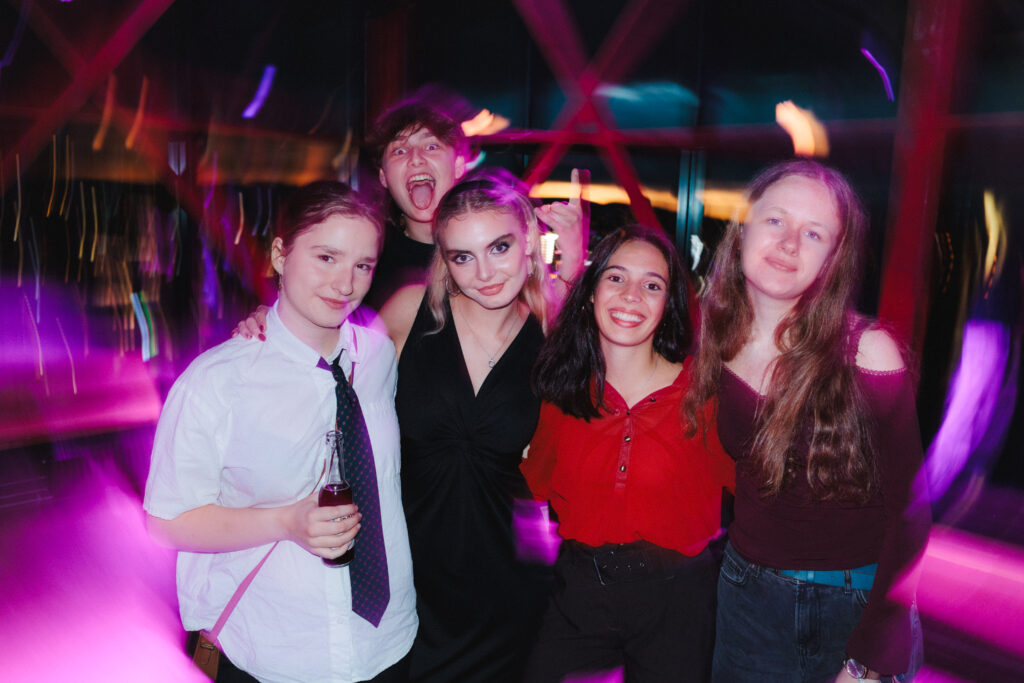
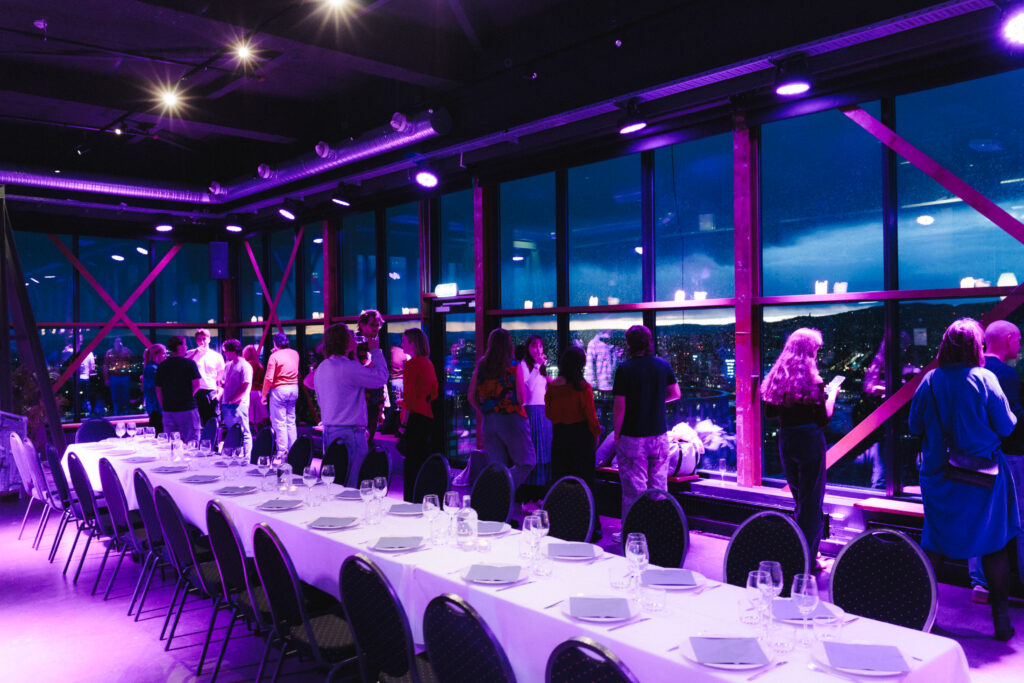
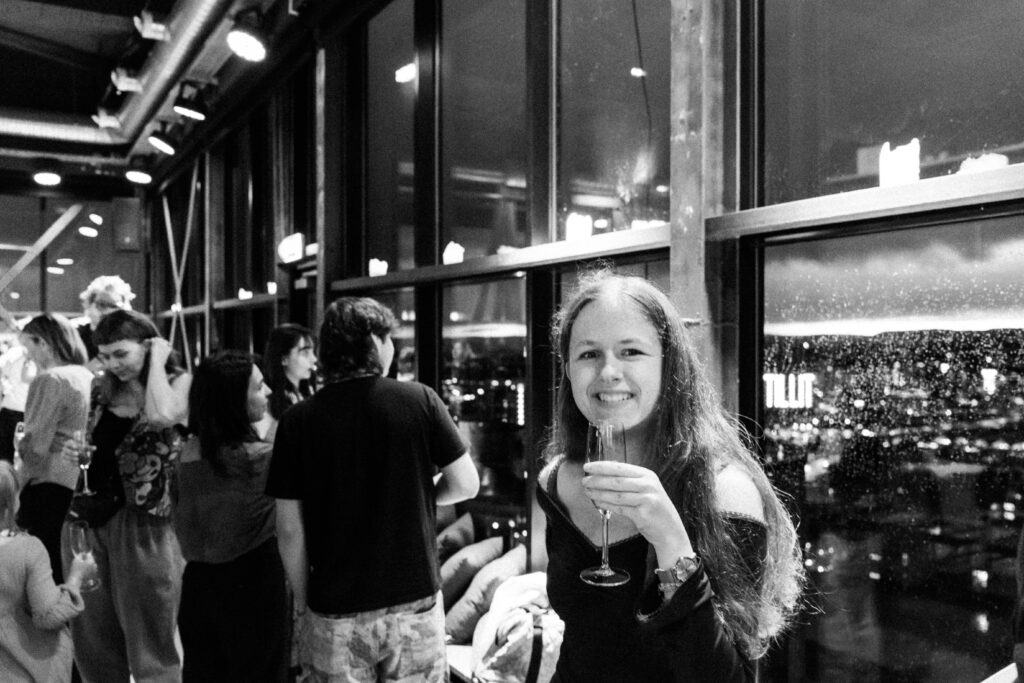
The camp concluded with a rooftop dinner overlooking Oslo – a symbolic final view encompassing neighbourhood, city and fjord.



What we take forward
Camp Physical reaffirmed several core insights:
- Third places are created through relations, not only architecture
- The body is a powerful tool for understanding space
- Young people need unstructured time to form their own places
- Artistic methods offer transferable tools for urban and institutional development
The experiences from Camp Physical will inform the final phase of the 3Place project – and the ongoing development of Kloden Theatre as a future third place for young audiences.
Photos: Pavel Pljuskov