
How can performing arts become a meaningful third place for young people without owning a theatre building? Through long-term relationships, soft methodologies, and close collaboration with youth, artists and city developers, Scenekunstbruket (NSKB) has explored how the third place can be built from within organisational practice.
Fieldwork as an ongoing practice
Unlike the other 3Place partners, NSKB does not operate a producing theatre or venue with established youth infrastructure. The fieldwork therefore took a different approach: rather than starting with a physical space, NSKB worked from inside its own organisation, embedding the third place as a way of thinking and working.
Throughout the three-year project period (2023–2025), fieldwork was closely intertwined with digital workshops, international camps and everyday organisational practice. Rather than being a separate activity, the fieldwork became an extended investigative process shaping how NSKB collaborates with youth, artists, institutions and city actors.
Physical focus without a building
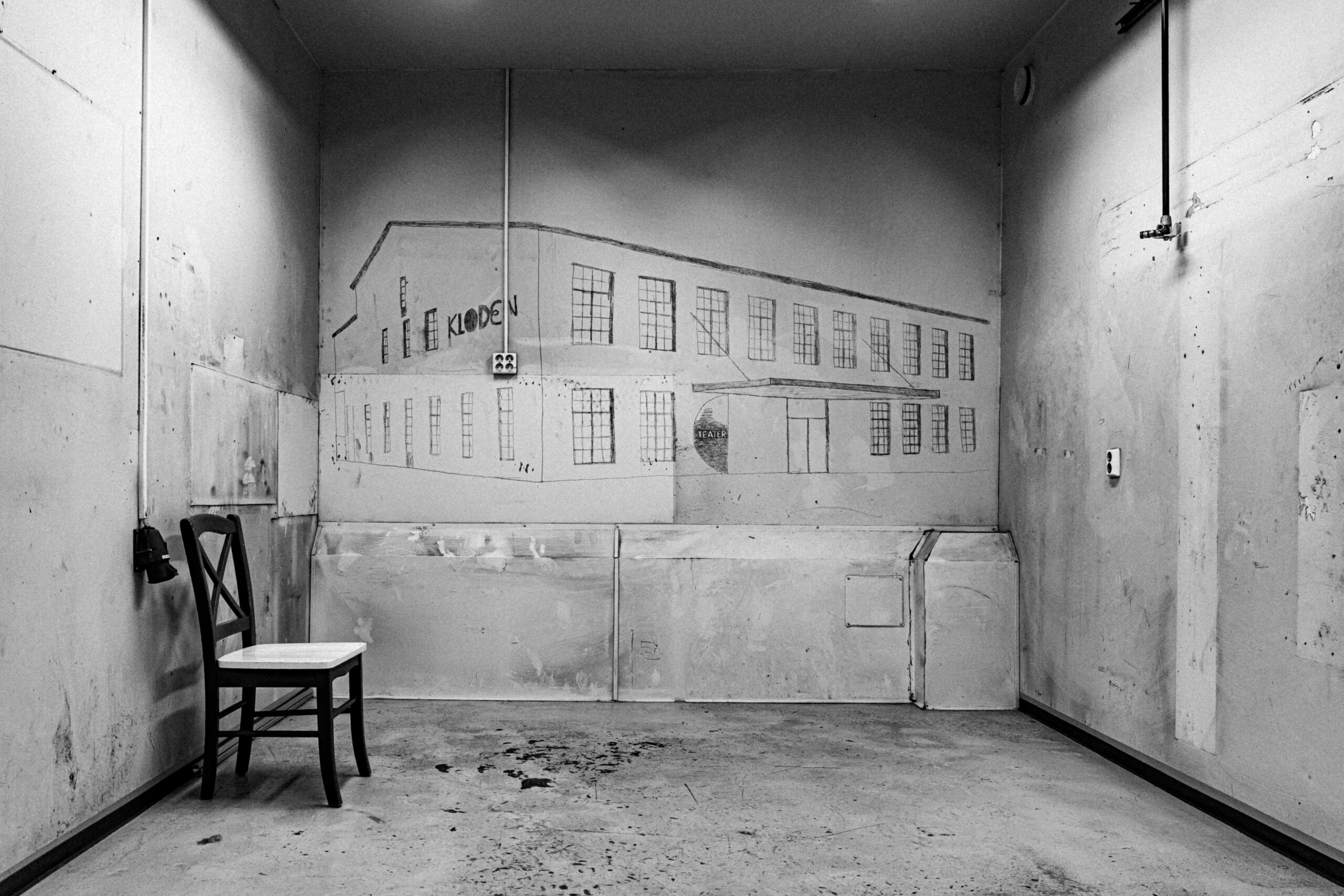
NSKB’s main focus within the 3Place project has been the physical and architectural dimension of the third place. This included researching how artistic experiences unfold in spaces not originally designed for performing arts, as well as following and influencing the development of Kloden Theatre in Oslo – the city’s first theatre house dedicated to young audiences.
Through close collaboration with Kloden, architects and city developers, NSKB contributed to shaping both the building and its surrounding urban context with third place principles in mind.
Organisational change and shared language
One of the key achievements of the fieldwork has been the integration of 3Place thinking into NSKB’s internal culture and daily work. A shared understanding of what a third place can be has made collaboration with Kloden Theatre easier and more concrete – from seminars and workshops to everyday decision-making.
This shared language has also strengthened collaboration with international partners in Germany and the Czech Republic, allowing comparative reflection across different institutional realities.
What we learned
NSKB’s fieldwork demonstrates that third places cannot simply be “added on” as a project outcome. They must grow from within organisations, through long-term commitment, relational work and openness to change. Building a third place takes time – especially when the physical space is still under construction.