-
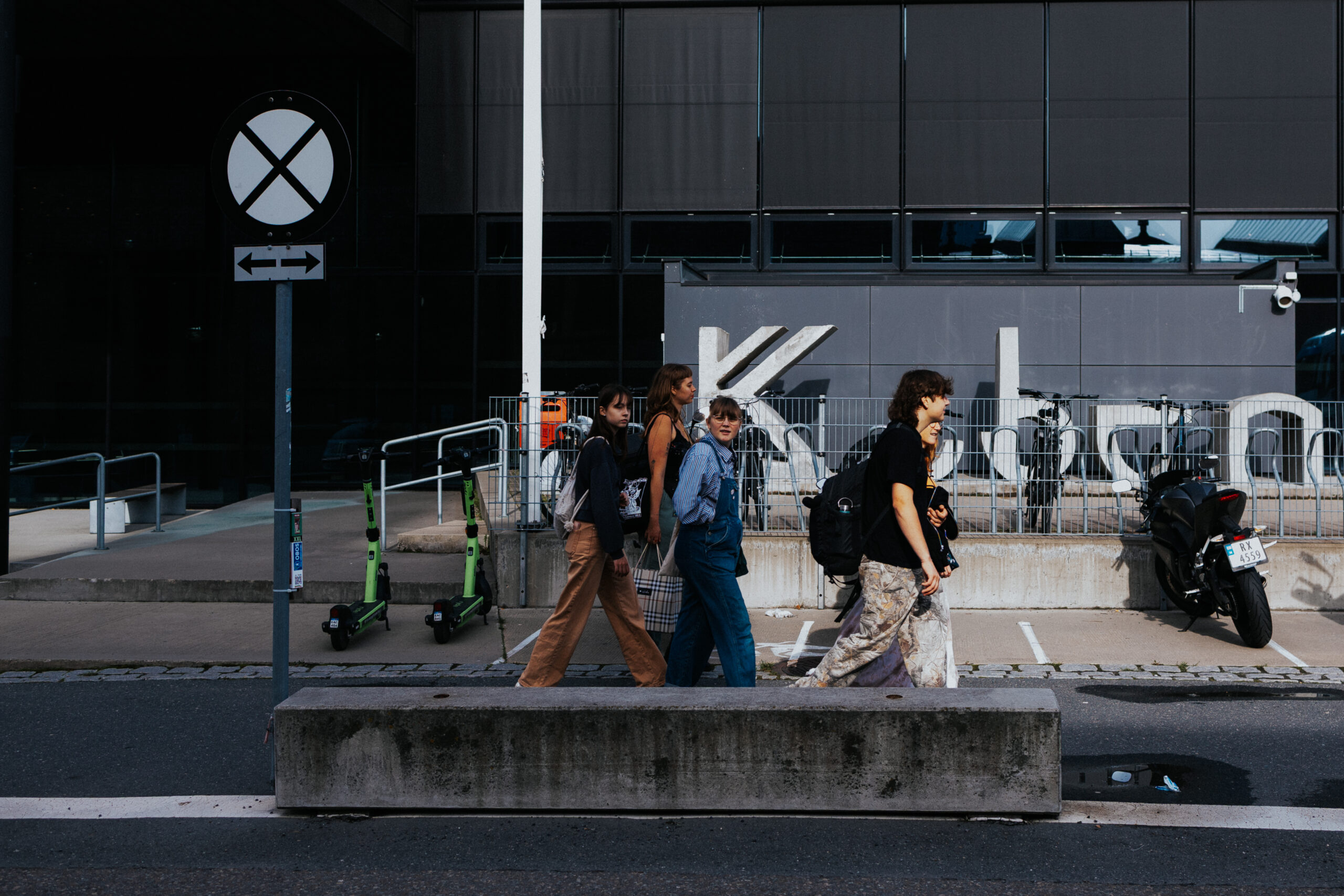
Fieldwork: Meeting the Young where they are
Cooperation with Kuben High School and Soft Methodologies
A central part of Scenekunstbruket’s (NSKB) 3Place fieldwork has been long-term cooperation with Kuben High School in Oslo. By engaging students who did not already identify performing arts as “their place”, the project tested new ways of building trust, relevance and belonging.
A strategic partnership across the street
Located directly across from the future Kloden Theatre, Kuben High School became a natural partner for NSKB’s fieldwork. Over three periods, NSKB hosted youth interns from the school, formalising cooperation and building personal relationships with teachers and students alike.
The collaboration focused on students from informatics and media production – a deliberate choice to reach young people who might not otherwise engage with performing arts. Through the 3Place project, the students gained language and tools to reflect on their own environments and needs.
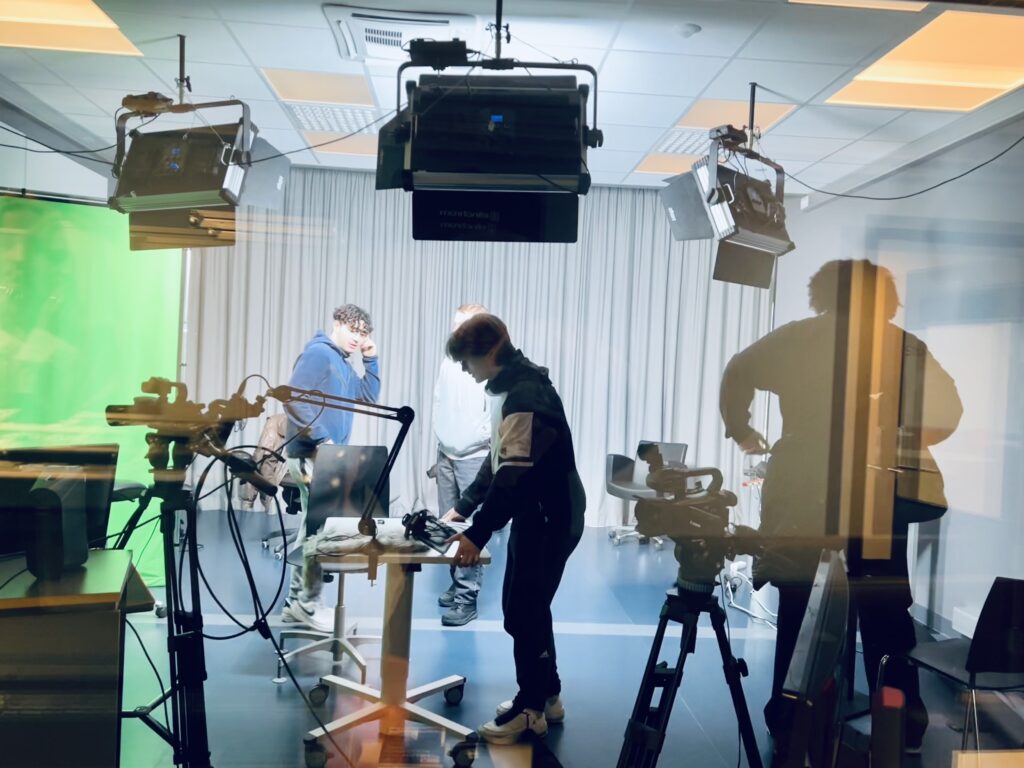
Youth as reporters and experts
The interns acted as outgoing reporters, interviewing peers in the Økern area and contributing insights into how young people experience public space, safety and belonging. Rather than being invited into a finished concept, the students were involved early, helping shape the questions the project asked.
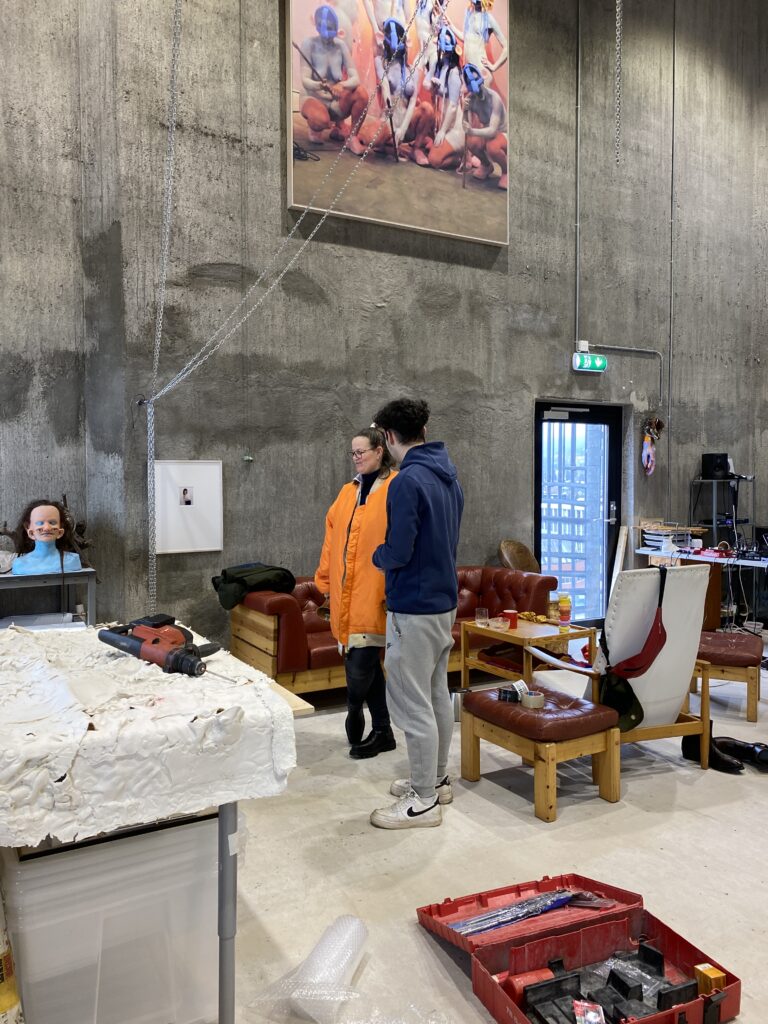
Developing a soft methodology
Working with youth required flexibility and care. NSKB developed what they describe as a “soft methodology” – prioritising time, safety and trust over predefined outputs. Some of the first interns stayed connected to the project over all three years, even after finishing high school.
This approach demanded significant invisible labour: regular invitations, shared meals, informal conversations and continuous follow-up. Over time, this created strong relationships and a sense of ownership among the young participants.

Reflections
The cooperation showed that meaningful youth involvement cannot be rushed or reduced to checklists. To function as a third place, the project had to be genuinely open to youth initiative and prepared to adjust its own structures accordingly.
-
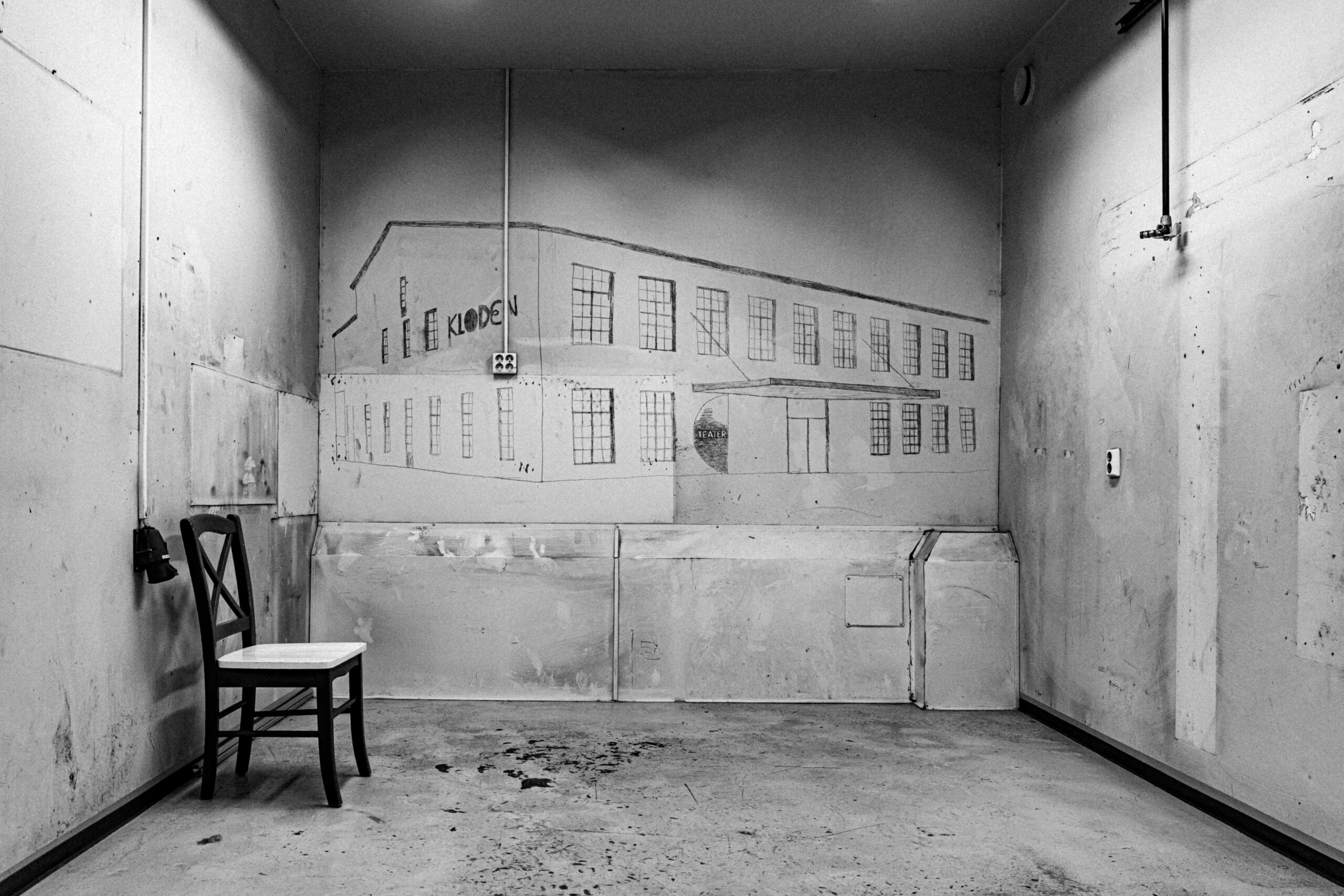
Fieldwork: Building the third place from within
How can performing arts become a meaningful third place for young people without owning a theatre building? Through long-term relationships, soft methodologies, and close collaboration with youth, artists and city developers, Scenekunstbruket (NSKB) has explored how the third place can be built from within organisational practice.Fieldwork as an ongoing practice
Unlike the other 3Place partners, NSKB does not operate a producing theatre or venue with established youth infrastructure. The fieldwork therefore took a different approach: rather than starting with a physical space, NSKB worked from inside its own organisation, embedding the third place as a way of thinking and working.
Throughout the three-year project period (2023–2025), fieldwork was closely intertwined with digital workshops, international camps and everyday organisational practice. Rather than being a separate activity, the fieldwork became an extended investigative process shaping how NSKB collaborates with youth, artists, institutions and city actors.
Physical focus without a building
NSKB’s main focus within the 3Place project has been the physical and architectural dimension of the third place. This included researching how artistic experiences unfold in spaces not originally designed for performing arts, as well as following and influencing the development of Kloden Theatre in Oslo – the city’s first theatre house dedicated to young audiences.
Through close collaboration with Kloden, architects and city developers, NSKB contributed to shaping both the building and its surrounding urban context with third place principles in mind.
Organisational change and shared language
One of the key achievements of the fieldwork has been the integration of 3Place thinking into NSKB’s internal culture and daily work. A shared understanding of what a third place can be has made collaboration with Kloden Theatre easier and more concrete – from seminars and workshops to everyday decision-making.
This shared language has also strengthened collaboration with international partners in Germany and the Czech Republic, allowing comparative reflection across different institutional realities.
What we learned
NSKB’s fieldwork demonstrates that third places cannot simply be “added on” as a project outcome. They must grow from within organisations, through long-term commitment, relational work and openness to change. Building a third place takes time – especially when the physical space is still under construction.
-
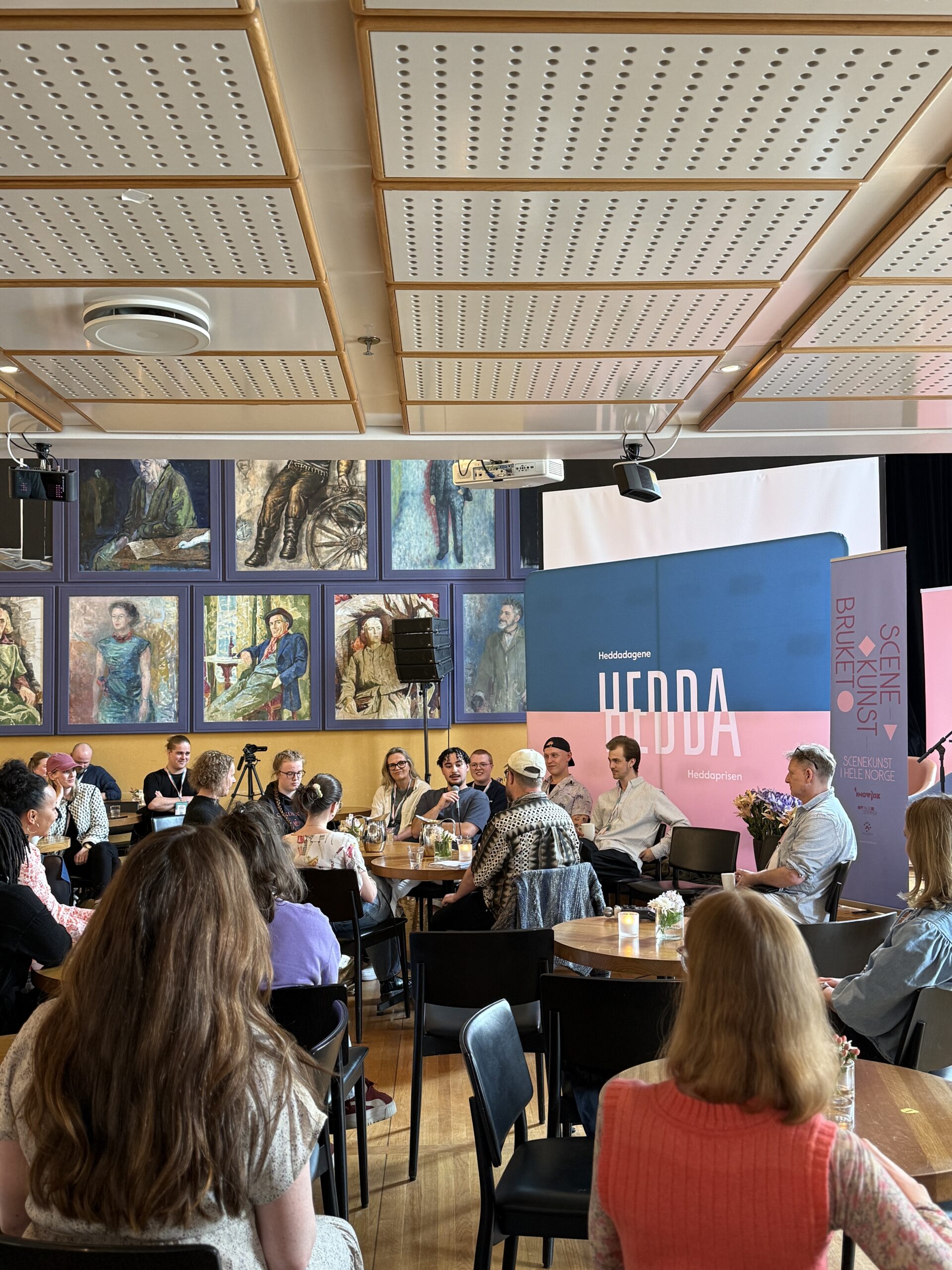
Video: Kitchen table at Heddadagene 2025
What do young people think about performing arts criticism? How did it feel to step into the public sphere as a critic — and how did they go about finding their own voice?
In an informal Kitchen Table conversation aduring Heddadagene 2025, young participants from Unge Stemmer met with a critic mentor and a performing artist to reflect on criticism as practice and public engagement. Through their own perspectives and experiences, they explored what criticism could be, who it concerned, and how they understood their own place within the cultural public sphere.
The conversation brought together Josefine R. Narverud (17), Fiona Åtland (19) and Heidi Bjørge Gravalid (16) from Drammen, and Ali Salhab (20) from Oslo, in dialogue with performing artist Cici Henriksen and critic mentor Per Christian Selmer-Anderssen.